Summit and Stream


Tag: travel

  • Border Country Reflections

    Border Country Reflections

    “When the trip ends, it’s not just the animals you remember — it’s the quiet moments between.”

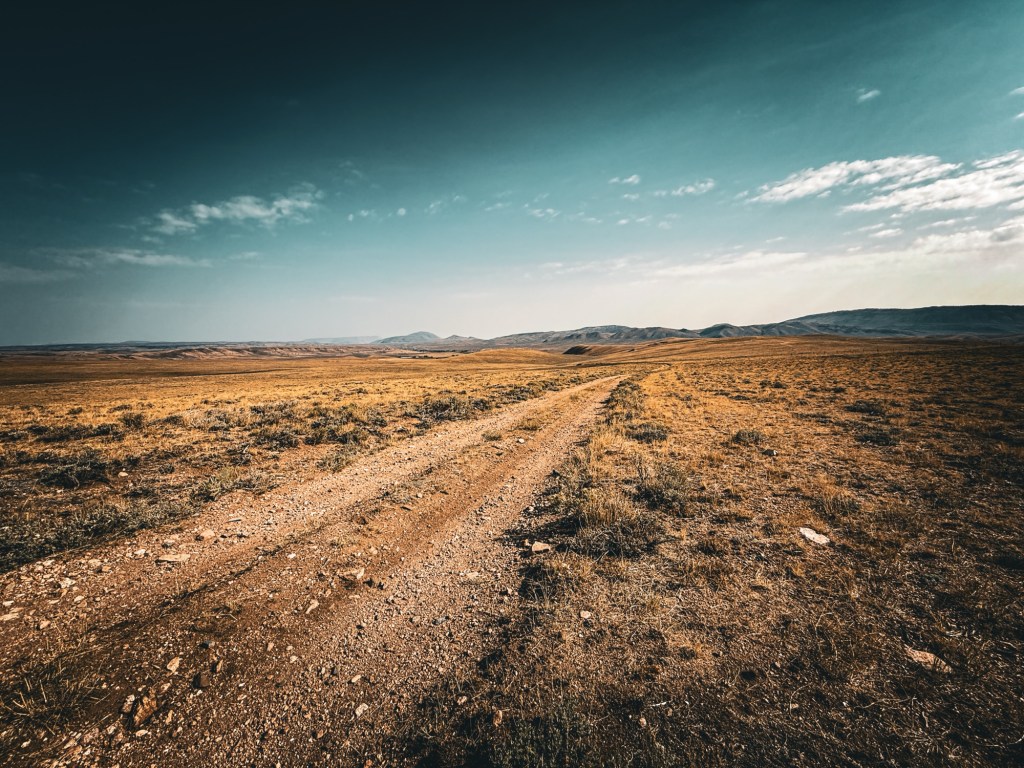
    There’s a stretch of land along the Colorado-Wyoming border where the plains roll out like an ocean, broken only by sagebrush, distant ridgelines, and the flash of pronghorn moving across the horizon. It’s a place where patience is tested, where storms come out of nowhere, and where the stillness between pursuits can be just as memorable as the action.

    This trip was a mix of bowhunting and fly fishing—three days chasing antelope and sliding in hours on the water whenever I could. I didn’t end up bringing home a pronghorn, but the lessons, the fish, and the memories made the trip worth every mile.

    The Stalks

    Pronghorn are humbling animals. Their eyesight is otherworldly, and every time I thought I had the upper hand, I learned otherwise. Over three days, I made twelve stalks. Some ended quickly, with the herd blowing out before I could even close the distance. Others took me crawling through sage, using every dip in the ground to get closer.

    The closest I came was fifty yards. I’d worked my way over a rolling hill, heart pounding, certain the herd was still bedded a hundred yards off. When I eased my head just a little too high, they were right there. One flick of an ear, and then they were gone—white rumps flashing as they bolted across the plains. It was equal parts frustration and awe. I had blown the stalk, but even in failure, I was reminded why I love bowhunting. It’s the chess match, the patience, and the razor-thin line between success and a story.

    Fishing Between the Hunts

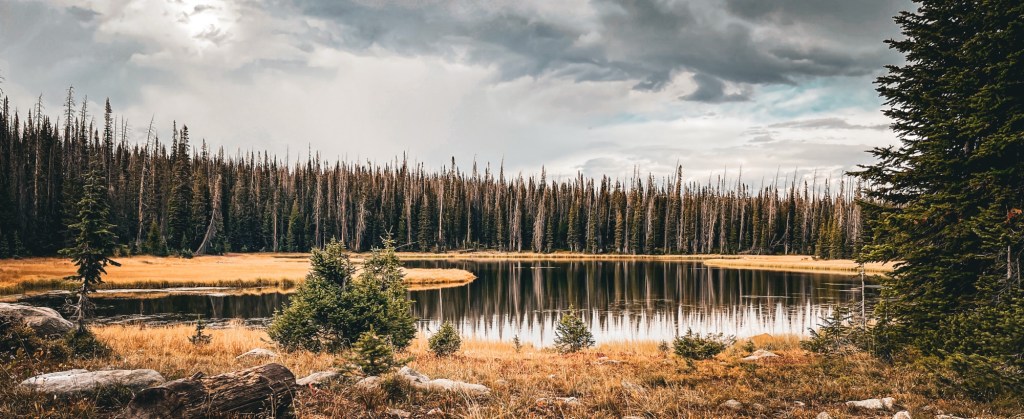
    The bow went back into the Jeep when the sun climbed high, and the fly rod took its place. The border country has a way of surprising you—small streams that swell with rain, lakes tucked against quiet timber. In the afternoons, I’d watch thunderstorms roll in, the sky turning bruise-colored before opening up. Afterward, the water would stain just enough to bring brown trout up.

    I landed fish in those in-between hours, slipping casts between willows, the smell of wet sage still hanging in the air. It wasn’t just about catching trout—it was about resetting after the intensity of the stalks. Fishing gave me space to breathe, and every fish felt like a small reward for the grind of the hunt.

    Weather and Wide-Open Silence

    Out here, the weather feels alive. Thunderheads build on the horizon, and you know you’ve got an hour before the storm reaches you. The wind shifts, rattling the grass, and the temperature drops in an instant. When the rain passes, the world feels washed clean—the smell of damp earth, the shimmer of water on sage, the sky cracked open into endless blue.

    But it’s the silence that hits hardest. The kind you only notice after the wind dies, when the prairie holds its breath. I’d sit on a ridge, glassing, and realize how loud the quiet really was. No roads, no voices—just space. That solitude is something you don’t forget.

    Wildlife in Passing

    It wasn’t just pronghorn and trout that filled the trip. Mule deer appeared in the early mornings, their silhouettes sharp against the skyline. Hawks rode the thermals, and once, while crouched low in a drainage, I watched a badger shuffle across the dirt no more than twenty yards away. These encounters weren’t the focus, but they stitched the days together, reminders that the border country is alive in ways that don’t always revolve around your tag or your line.

    Comparing Adventures

    Compared to the high country trips I’ve taken, this one was its own beast. Backpacking deep into the San Juans demands endurance; chasing elk in dark timber demands grit. But the plains? They demand patience and humility. You don’t win with brute strength out here. You win—or learn—by slowing down, reading the land, and accepting that sometimes the antelope win.

    Advice for the Border Country Wanderer

    If you’re planning a multi-sport trip in remote country, a few takeaways from mine:

    Plan for weather swings: From sunburn to sideways rain in the same afternoon—pack layers, and never underestimate how fast storms can build. Balance your pursuits: Don’t treat fishing as an afterthought. Let it reset you between hunts. It makes both more rewarding. Accept the solitude: Out here, success isn’t just measured in filled tags or full nets. Sometimes the best takeaway is the quiet.

    Closing Thought

    I didn’t leave the border country with a pronghorn in the cooler. What I left with were stories of twelve stalks, brown trout caught in stained water, and hours of silence broken only by wind and distant thunder. It wasn’t about success in the usual sense—it was about being out there, testing myself, and learning from the land.

    What about you? Do you have a favorite memory where hunting and fishing crossed paths? Drop it in the comments—I’d love to hear your story.
  • Best Gear for Fishing in Heavy Rain: My Top Picks

    Best Gear for Fishing in Heavy Rain: My Top Picks

    Some gear failed. Some gear thrived. And one piece surprised me completely.

    I was standing mid-stream with rain hammering my hood, fly line sagging under the weight of water, and graupel stinging my knuckles like a handful of gravel. The creek had been running low, but every fresh round of rain bumped it just enough to turn the water stained—a curse for hiking but a blessing for fishing. Each squall carried a slim chance the trout might finally look up. Fishing in those conditions is stubborn work—you’re not out there because it’s easy, you’re out there because you came to fish, and the weather doesn’t get a vote.

    That was Elk Creek. Five straight days of random downpours, sleet squalls, and miles of wet trail. Nothing stayed dry. Not boots, not packs, not me. And that’s when you find out which pieces of gear matter. Some of mine faltered. But a handful? They carried me through the storm and made the difference between misery and actually enjoying those fleeting moments when the clouds cracked and the water came alive.

    Here are the five standouts that survived the rain, the mud, and the miles.

    Top 5 Pieces of Gear

    1. Argali Talus Tarp

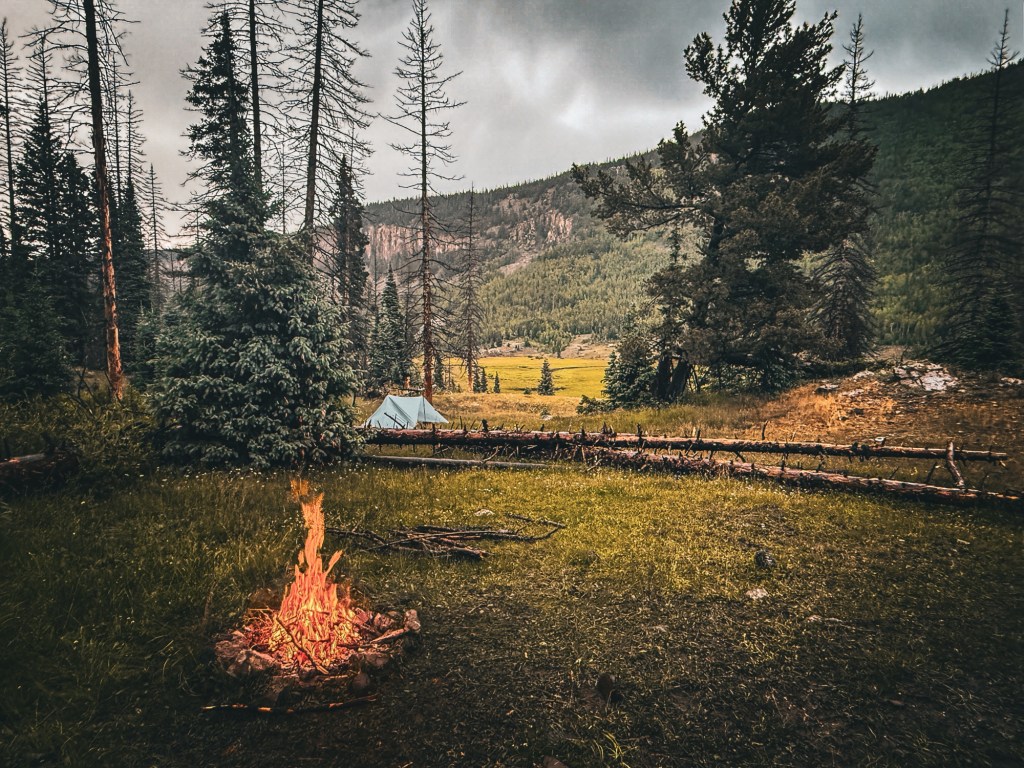
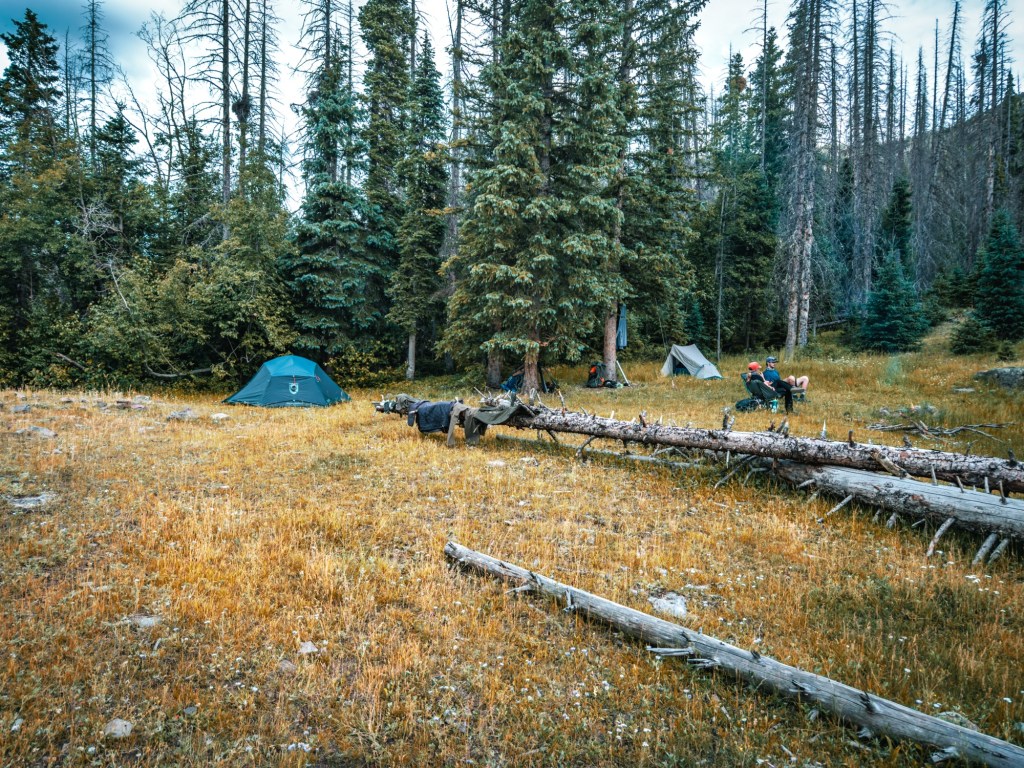
    The MVP of the trip. Light, quick to pitch, and bomber in the rain. With constant drizzle, it gave me a dry space to cook, re-pack, and just breathe outside the tent. No pinholes, no sagging, and no wrestling with complicated guy lines when my patience was already soaked. When you’re running low on energy, having a tarp that just works without fuss is gold.

    2. Nemo Men’s Disco 15° Sleeping Bag

    Sliding into a sleeping bag after a day in the rain can feel like crossing into another world—if that bag actually holds up. The Disco didn’t just keep me warm—it stayed warm. Even after four nights of condensation dripping inside the tent, it never lost loft, never got that clammy chill. I’ll admit, I didn’t expect it to perform this well under constant moisture. It became the one guaranteed comfort at the end of every soaked, cold day.

    3. Marsupial Gear Multi Pack

    This pack was a workhorse. Everything I needed—map, snacks, headlamp, fly fishing gear—was right there, accessible and dry. The fabric shed rain better than my pack’s lid, and the organization made it easy to keep moving instead of stopping every half mile to rummage. The attachment points on the sides held my bear spray and Garmin InReach exactly where I needed them—secure but quick to grab. In the backcountry, that kind of accessibility isn’t a bonus, it’s essential.

    4. Nitecore NB10000 Battery

    Electronics are usually the first thing to give me anxiety on long, wet trips. Dead headlamp? Dead InReach? That’s trouble. But this little ultralight battery just kept going. I charged my phone, my headlamp, and my InReach, and somehow it still had juice left at the end of the trip. At under 6 ounces, it punches way above its weight. Quiet, reliable, and one of those pieces you don’t think about until you realize how much worse the trip would’ve been without it.

    5. Chaco Ramble Puff Camo Shoes

    These started as a luxury item—something to slip on around camp. But after peeling off waterlogged boots at the end of each day, the Ramble Puffs became a necessity. Warm, cushy, and quick-drying, they were the morale boost I didn’t know I’d need. They turned “miserable camp shuffle” into “I can actually relax for a few minutes.” That mental reset was as important as the physical comfort.

    Lessons from the Storm

    Durability vs. Weight: I usually lean ultralight, but Elk Creek was a reminder—cutting ounces means nothing if your gear can’t hold up to a beating. The tarp and multi pack hit that rare sweet spot of tough and light. Small Hacks Help: Drying out soaked shoes and socks by the fire, rotating wet gear under the tarp, and keeping a designated “dry bag” of essentials were the small moves that made a big difference. Little habits like this kept the trip manageable instead of miserable.

    Final Takeaway

    Bad weather doesn’t lie. It strips your kit down to the truth. Weak gear gets exposed fast, while solid pieces quietly prove themselves. At Elk Creek, these five items pulled more than their weight and reminded me why testing gear in the worst conditions matters.

    The rain might have made fishing tough, but the gear made sure I was still in the fight.

    Now I’m curious—what piece of gear has surprised you most in the backcountry, for better or worse? Drop it in the comments.

    This post may contain affiliate links, which means I may earn a small commission at no extra cost to you. I only recommend gear I’ve tested and trust, and these commissions help support the blog.

  • Backcountry Meals That Actually Taste Good — Quick Tips + Favorites from Elk Creek

    Backcountry Meals That Actually Taste Good — Quick Tips + Favorites from Elk Creek

    If you’ve done enough nights in the backcountry, you know the drill: tear open a foil pouch, add hot water, wait, and hope for the best. Most of the time you get something that’s… edible. It fills the hole, but it’s not exactly a meal you’d rave about.

    On our latest Elk Creek trip, we decided to step it up. We wanted meals that tasted good enough to look forward to after a long day on trail — or better yet, that we’d actually eat at home. With a little pre-trip planning, we pulled together a small but mighty menu that made mornings warmer, afternoons easier, and dinners something worth lingering over.

    Breakfast That Feels Like a Win

    For mornings, Peak Refuel Biscuits & Gravy was our hands-down favorite. It’s hearty without being greasy, and the gravy actually has flavor — peppery and savory instead of bland and watery. The biscuits keep their texture surprisingly well after rehydrating, so you’re not eating mush.

    We’ve found that Peak Refuel in general has some of the best freeze-dried flavor and texture out there, so we rely on them for most breakfasts and dinners. That includes post-hike comfort food like their Chicken Coconut Curry — rich, creamy, and a little spicy, it’s the perfect warm-up after a chilly day on the trail. Whether it’s Biscuits & Gravy to start the day or curry by the fire at night, they make it easy to eat well without hauling heavy ingredients.

    Coffee That Hits the Spot Every Time

    We brought Café Bustelo instant coffee packets, and honestly, I might never go back to the “specialty” backpacking coffees. Bustelo is strong, smooth, and actually tastes like coffee instead of brown water. It’s pre-measured, which makes mornings brainless — just rip, dump into your mug, and fire up the Jetboil.

    The Jetboil made coffee duty quick even on chilly Elk Creek mornings when every second outside the sleeping bag feels like a test of willpower. By the time the water boiled, the smell alone was enough to make us forget how cold it was.

    Snacks That Pull Double Duty

    For midday fuel or a quick pick-me-up before setting up camp, Honey Stinger Nut + Seed Bars were our go-to. They’re a nice change from the usual overly sweet energy bars — with a nutty, slightly salty profile and just enough honey to keep things interesting.

    Each bar packs a solid mix of protein, healthy fats, and carbs, so they actually keep you going instead of giving you a sugar spike and crash. Plus, they don’t melt or crumble in your pack, even after a long, hot day.

    Our favorite flavors from the trip: Almond Pumpkin Seed for a treat-like feel, and Oat + Honey for mornings when you want something lighter but still filling. We’d eat one mid-morning, then another later in the afternoon before our dinner prep — and between that and the Peak Refuel meals, we stayed fueled without feeling weighed down.

    A Few Backcountry Meal Tips from the Trail

    1. Pack calorie-dense food.

    Every ounce in your pack matters, but so does how many calories it gives you. Look for meals with 100+ calories per ounce to keep you fueled without adding unnecessary weight.

    2. Test meals before your trip.

    What tastes okay in your kitchen can taste totally different after a long hike — and vice versa. We try at least one serving at home before committing to bringing it on trail.

    3. Don’t skimp on seasonings.

    A tiny packet of hot sauce or a sprinkle of your favorite spice mix can make even the most basic meal taste like something special. They weigh almost nothing, and the morale boost is real.

    4. Think about cleanup.

    At the end of the day, your energy is low and daylight is short. One-pot meals or just-add-water pouches mean you spend less time scrubbing and more time resting (or watching the stars).

    5. Bring a mix of comfort food and fuel food.

    You need calories and protein, yes — but having one “fun” snack or treat each day keeps spirits high, especially on long treks.

    Bottom Line

    The right food makes the backcountry feel less like “survival mode” and more like living well in the wild. On Elk Creek, Peak Refuel for breakfast and dinner (especially that Chicken Coconut Curry), strong coffee in our mugs, nut + seed bars in our packs, and easy cleanup routines meant more time to enjoy the views, watch the river, and linger by the fire.

    Because when your meals are good, you’re not just hiking — you’re actually enjoying being out there.

    Grab the Checklist

    If you want to skip the guesswork, we put together a simple, printable Backcountry Meal Packing List with everything we brought to Elk Creek — breakfasts, coffee, snacks, dinners, and the little essentials that make camp life easier. Print it, check it off as you pack, and you’re trail-ready without overthinking it.

    This post may contain affiliate links, which means I may earn a small commission at no extra cost to you. I only recommend gear I’ve tested and trust, and these commissions help support the blog.

  • Five Days, a Fly Rod, and the South San Juan Backcountry

    Five Days, a Fly Rod, and the South San Juan Backcountry

    “When the rain comes every afternoon, and the trout still rise, you learn quick what matters and what you can leave behind.”

    There’s a certain kind of quiet you only get when you’re miles from the nearest road. It’s not just the lack of engines or voices — it’s the way the air feels unclaimed, the way your own footsteps sound out of place. For five days and four nights, my wife, my brother, and I carried everything we needed on our backs and followed a narrow ribbon of trail into the South San Juan Wilderness to fish one of its tucked-away creeks.

    This wasn’t a trophy hunt. We weren’t chasing records or numbers. We were there for the rhythm — the hiking, the camp chores, the stubborn little fish that make you earn every strike.

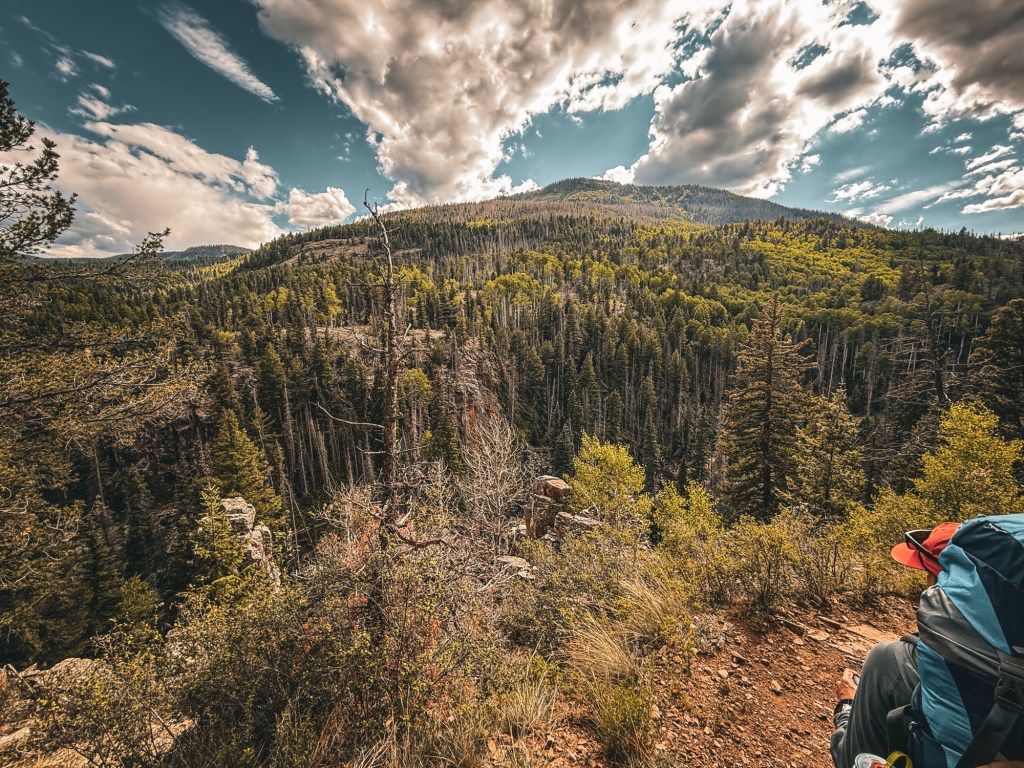
    Thick timber surrounded the trail until we reached the open meadows.

    The Route & the Climb

    We kept the mileage light — about 14 miles total for the whole trip — which gave us time to fish and explore without feeling like we were racing the trail. The climb out of the valley was steep in sections, but we’d stop often: sometimes to catch our breath, sometimes just because the light hit the mountains in a way that made us want to stand still and watch. By the second day, it felt like we were moving inside our own small world, our pace set by the creek and the weather instead of a clock.

    Combination of rain, graupel, and sunshine on the hike out.

    Rain, Graupel, and Unplanned Pauses

    If you spend enough time in the high country, you start to recognize the afternoon storm pattern: blue sky in the morning, clouds by lunch, rain by mid-afternoon. This trip didn’t follow the script. Rain came whenever it felt like it — a drizzle over breakfast, a sideways downpour in the middle of a promising run. Twice, the clouds even dropped graupel — tiny ice pellets that bounced off our jackets and hissed on the creek’s surface, like the mountains were flicking pebbles at us.

    We learned quickly to be opportunists: fish hard when the sky was clear, keep a rain jacket within arm’s reach, and accept that sometimes the best decision was to sit under a spruce and watch the storm burn itself out.

    One of the healthy medium sized browns during a rainstorm.

    Low Water, Spooky Fish

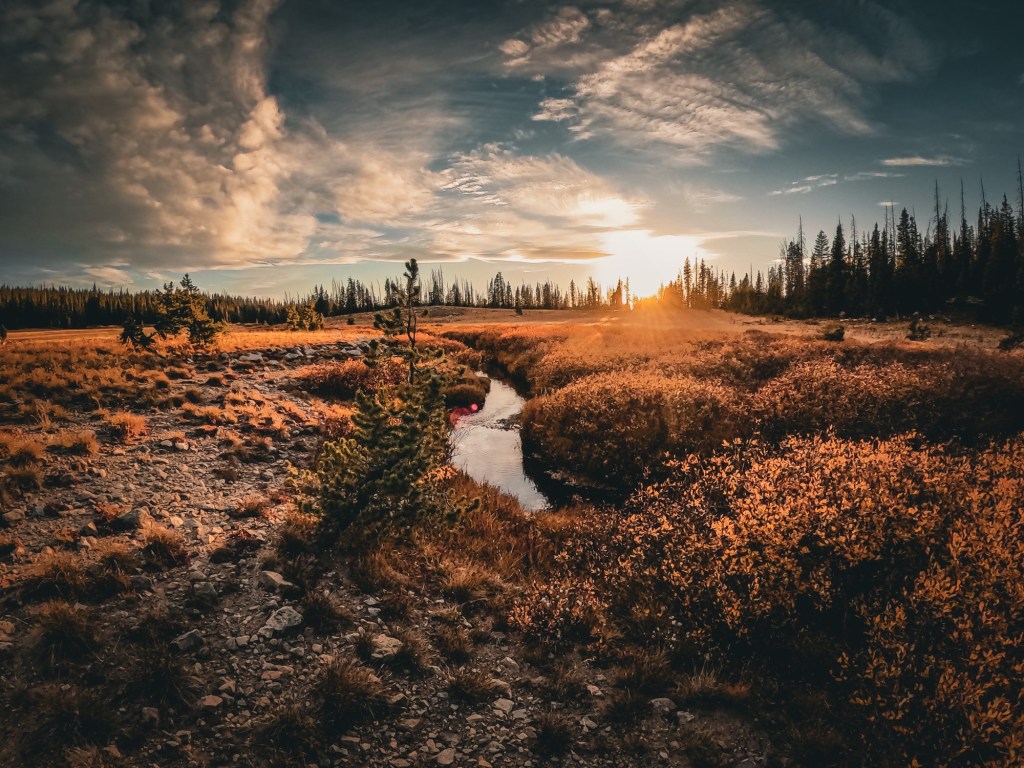
    This year’s creek was thin and glassy, the kind of water where your shadow alone could blow a hole in a pool. The trout were edgy — one misplaced step and the whole run would go silent. But that’s the challenge of late-summer fishing in the backcountry. We downsized our approach until it felt almost surgical: a small midge dropped under a dry, light tippet, short drifts in the soft edges of the current.

    We didn’t rack up numbers — maybe six fish between the two of us who fished — but each one was perfect in its own way. Deep orange fins. Small speckles scattered like constellations. When you know the odds are against you, even a single rise feels like a win.

    Encounters Along the Way

    Wildlife out here doesn’t always come charging into view — most of it slips in quietly if you’re paying attention. We spotted mule deer moving through the meadows in the cool mornings, a few curious marmots sunning themselves on boulders, birds of prey riding thermals overhead, and plenty of fresh elk sign. Even without seeing one, you could feel their presence in the landscape.

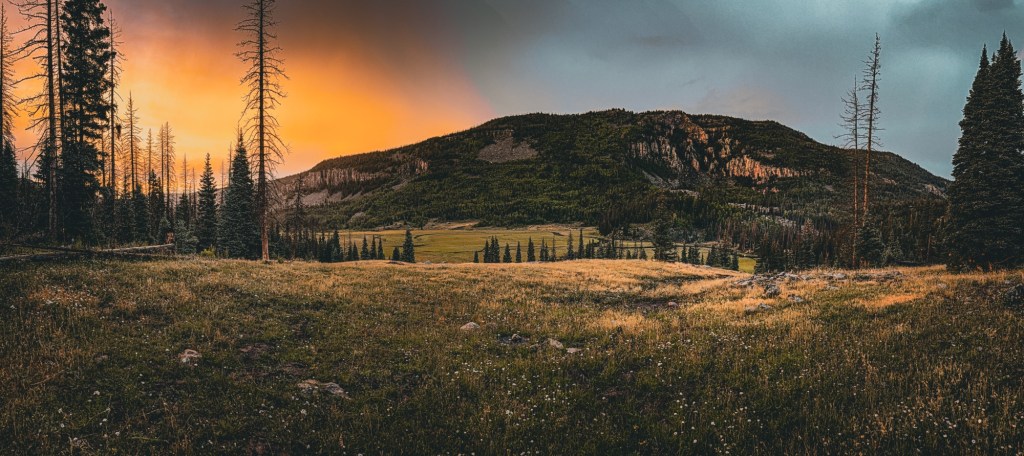
    A colorful sunset after a day of gray rainy skies.

    The Reward in the Work

    Backcountry trips don’t feel like vacations. They’re a mix of sore feet, damp clothes, and problem-solving on the fly. You work for everything — water, warmth, shelter — and that work changes the way you experience the place.

    For me, the best part wasn’t the fish (though they were beautiful) or the scenery (which was almost too much to take in at times). It was the shared effort. Cooking under the tarp with rain hammering above us. Trading jokes on the trail to make the climbs easier. Handing over the first cup of coffee in the morning before the day had decided what it was going to throw at us.

    That’s the thing about the South San Juan — it’ll make you work, but if you bring the right people with you, the work turns into something you’ll want to do all over again.

    Have you fished remote backcountry streams in bad weather? Did the fish change their behavior — or was it you who had to?

    Gear Notes

    Rod, Reel & Line: 9’ 5-weight, floating line for versatility in variable conditions.

    Leader/Tippet: 9’ 5x leader with 6x fluorocarbon for the dropper to keep drifts subtle.

    • Flies: #20–22 midges under a #14–16 dry (Parachute Adams or small Stimulator). The dry-dropper rig kept the presentation natural and gave us a visual on subtle takes.

    • Rain Gear: Lightweight shell that stayed in the top of the pack for quick grabs — essential for those graupel blasts.

    • Camp Essentials: Compact stove, Lightweight Bivy Tent, Backpacking Tarp for cooking during storms/gear tent, and a good water filter (even the clearest creeks can hide trouble).

    This post may contain affiliate links, which means I may earn a small commission at no extra cost to you. I only recommend gear I’ve tested and trust, and these commissions help support the blog.

  • Between Snowmelt and Sunsets: The Magic of June Fly Fishing in Colorado

    Between Snowmelt and Sunsets: The Magic of June Fly Fishing in Colorado

    There’s a brief and beautiful window in Colorado when the rivers start to breathe again. Snow still clings to the peaks, but the valleys below are coming alive. The current slows just enough to invite a clean drift. Trout are hungry. Insects are waking up. And for the fly angler, June feels like a long exhale after the wild, rushing runoff of spring.

    You don’t need perfect conditions in June. You just need to be present.

    Chasing the Edge of Runoff

    Across Colorado, June is a season of transition. Runoff doesn’t end all at once—it recedes bit by bit, river by river, basin by basin. This is the time to scout smaller creeks, tailwaters, and edges of high mountain lakes where clarity is returning and trout are shaking off their winter rhythms.

    Success often comes not from chasing reports, but from hiking a little farther, watching the water closely, and reading the signs: a swirl beneath an overhanging branch, a mayfly skittering just above the surface, or that subtle flash in a deep run.

    Patterns for the Moment

    The bugs aren’t waiting anymore. In many waters across the state, you’ll start to see:

    Caddis Hatches in the evenings—bringing fish up top and lighting up the last two hours of daylight. Golden Stones beginning to crawl from the banks—especially on freestones and rocky pocket water. Midges and small mayflies lingering on tailwaters—subtle, but deadly in clear, slow flows.

    And of course, it’s never too early to toss something big and foamy. Chubbies and stimulators have already started turning heads, especially in the faster seams and riffles.

    A good June fly box balances finesse with boldness. One moment calls for a size 20 midge pupa, the next a size 10 hopper dropped on a foam line. Flexibility wins.

    The Gift of Long Days

    One of the underrated joys of fly fishing in June is time. With daylight stretching well past dinner, you can fish dawn to dusk without a rush. Whether you’re backpacking into alpine lakes or slipping out for an after-work session, June rewards those who linger.

    You’ll often find the river to yourself after 7 p.m., with trout sipping dries in the shadows and the wind finally settling. Bring a light jacket, a thermos of coffee (or something stronger), and give yourself permission to stay a little longer.

    A Season for Exploration

    June isn’t about chasing trophies or ticking boxes—it’s about covering ground and reconnecting with water that was frozen or flooded just weeks ago. It’s about watching as the world reopens and finding your rhythm in it again.

    So lace up your boots. Pack that rod in the backseat. Throw a few essentials in the vest and go see what the water has to say.

    Sometimes, the best cast of the day happens when you least expect it.

    Until next time, keep your flies dry and your campfire stories close.

    🎣 Share your favorite June fly fishing moment in the comments, or tag @SummitAndStreamAdventures on Instagram—we’d love to see where the water’s taken you this season.

    And if you’re planning a trip soon, subscribe to the blog so you don’t miss our upcoming backcountry gear list and high-elevation hatch guide.

    — Summit and Stream Adventures

  • 10 Fly Fishing Essentials I Never Hit the Water Without

    10 Fly Fishing Essentials I Never Hit the Water Without


    Whether I’m waist-deep in a mountain stream or hiking into a remote alpine lake, there’s a core group of gear I bring along every time I fly fish. After years of trial and error, these ten items have earned a permanent spot in my kit. If you’re building your own loadout—or just looking to upgrade—this list has you covered


    1. Fishpond Thunderhead Submersible Waterproof Sling Pack

    Fully waterproof, super tough, and perfect for keeping gear dry no matter the weather. The sling design is ideal for quick access while fishing.

    2. Marsupial Gear Multi Pack

    This is my favorite way to carry fly boxes, tippet, and tools. Designed for hunters, but perfect for anglers.

    3. Trouthunter Tippet

    Super reliable for both fluorocarbon and nylon. Knots well and resists abrasion. It’s a staple in my kit.

    4. Fishpond Nomad Middle Fork Net

    Light, durable, and perfect for catch-and-release. Rubber netting and carbon/fiberglass frame keep things fish- and angler-friendly.

    5. Korkers Men’s Stealth Sneaker Wading Boot

    Looks like a trail shoe, grips like a beast. These are comfy, supportive, and made for scrambling over slick rocks and trails alike.

    6. Redington VICE 9’ 5wt Fly Rod

    A fantastic all-around rod. Versatile, responsive, and forgiving—great for beginners and seasoned anglers alike.

    7. Cutthroat Leader Brown Trout Combo – Furled Leaders

    Once I switched to furled leaders, I never looked back. Better turnover, less tangling, and more control on presentation.

    8. Lamson Speedster S-Series 5+ Reel

    Smooth drag, gorgeous design, and ultra-lightweight. This reel has been with me on dozens of trips and never disappoints.

    9. Scientific Anglers Amplitude Textured Trout Fly Line WF-5

    Textured coating, super slick, and casts like a dream. Great for all-around trout fishing.

    10. Simms Men’s Freestone Stockingfoot Waders

    Built to last, comfortable to wear, and perfect for spring through fall. These are my go-to for any water conditions.


    Final Thoughts: Fly fishing is part gear, part skill—and having the right tools can take a lot of the guesswork out of the equation. These ten products are the real deal and have earned their spot in my pack. Got a favorite I missed? Let me know in the comments!

    This post may contain affiliate links, which means I may earn a small commission at no extra cost to you. I only recommend gear I’ve tested and trust, and these commissions help support the blog.

  • Backcountry Fly Fishing Tips for Colorado Adventurers

    Backcountry Fly Fishing Tips for Colorado Adventurers

    Backcountry Fly Fishing in Colorado: A Hardcore Angler’s Paradise

    Fly fishing in Colorado is already world-class. But if you really want to get away from the crowds, find untouched waters, and catch wild fish that rarely see a fly, you head into the backcountry. That’s where Colorado turns into a paradise for anglers who are willing to put in the work. If you’re up for hiking, camping, and navigating remote terrain, backcountry fly fishing in Colorado offers solitude, adventure, and some of the most rewarding fishing you’ll ever experience.

    Here’s what you need to know to do it right.

    Why Go Backcountry?

    Let’s get one thing straight: this isn’t about catching the biggest fish. It’s about experience. Hiking into remote alpine lakes or headwater streams, setting up camp miles from the nearest road, and casting to wild trout in gin-clear water—that’s what it’s about.

    Here’s what you get in the backcountry:

    Unpressured fish: These trout don’t see many anglers. They’re wild, aggressive, and more likely to hit a well-presented fly. Solitude: You’re not shoulder-to-shoulder with other anglers. Often, you won’t see another soul. Stunning scenery: Think jagged peaks, alpine meadows, glacial lakes, and clear-flowing creeks. Adventure: This isn’t a grab-your-rod-and-go spot. You’re earning it with sweat and effort.

    If you’re looking for an Instagram-friendly lodge and a hot meal at the end of the day, this isn’t it. If you’re looking for peace, challenge, and pure fishing, keep reading.

    When to Go

    The Colorado high country doesn’t open up until late spring or early summer. Snow lingers in the mountains, and access roads and trails often remain impassable until mid-June. In general:

    Best time: Late June to mid-September Early season (June/early July): Expect snowmelt, high flows, and cold temps. Peak season (late July to August): Stable weather, good insect hatches, prime fishing. Late season (September): Crisp days, fewer bugs, spooky fish, changing leaves.

    Plan around the snowpack and monsoon season. Afternoon thunderstorms are common in July and August, especially above treeline, so start your hikes early and always keep an eye on the weather.

    Where to Go: Top Backcountry Fly Fishing Destinations in Colorado

    Backcountry fishing means getting beyond the trailhead. Some of these places take hours of hiking. Others require multi-day backpacking trips. All are worth it.

    1. Indian Peaks Wilderness

    Location: Just west of Boulder Target species: Cutthroat, brook trout, rainbow Why it’s great: Dozens of alpine lakes and headwater streams within a few hours of Denver. Trails are well-maintained. Popular with hikers but easy to find solitude with a bit of effort. Top spots: Upper Coney Lake, Jasper Lake, Buchanan Pass area

    2. Holy Cross Wilderness

    Location: Near Vail and Leadville Target species: Native cutthroat, brook trout Why it’s great: Remote, scenic, and packed with small lakes teeming with trout. Good multi-day loop options. Top spots: Tuhare Lakes, Fancy Lake, Missouri Lakes Basin

    3. Flat Tops Wilderness

    Location: Northwest Colorado Target species: Colorado River cutthroat, brook trout Why it’s great: The heart of Colorado’s backcountry fishing. Endless creeks and lakes, with miles of trail access. Less crowded than Front Range options. Top spots: Trappers Lake (base camp), Derby Creek, Little Trappers Lake

    4. Weminuche Wilderness

    Location: San Juan Mountains, southern Colorado Target species: Rio Grande cutthroat, brook trout, rainbow Why it’s great: Colorado’s largest wilderness area. Big elevation, big views, and remote fishing. Top spots: Vallecito Creek, Needle Creek, Chicago Basin

    5. Rocky Mountain National Park (RMNP)

    Location: North-central Colorado Target species: Greenback cutthroat (native), brook trout Why it’s great: RMNP is home to some of the most scenic backcountry fishing in the state. Greenback cutthroat restoration has brought new life to these waters. Top spots: Thunder Lake, Fern Lake, upper sections of the Big Thompson

    What You’ll Need: Backcountry Fly Fishing Gear Checklist

    You’re combining backpacking with fly fishing, which means weight and simplicity matter. Here’s a gear list broken down into essentials:

    Fishing Gear

    Fly rod: 3–5 wt, 8–9 ft. A 4-piece rod is easiest to pack. Reel: Lightweight, with a smooth drag. Nothing fancy needed. Line: Weight-forward floating line. Leader & tippet: 5X or 6X works fine for small alpine trout. Flies: Dries: Parachute Adams, Elk Hair Caddis, Royal Wulff, Ants, Hoppers. Nymphs: Hare’s Ear, Pheasant Tail, Copper John Streamers: Woolly Bugger (black or olive) Accessories: Nippers, hemostats, floatant, fly box, small net (optional), polarized sunglasses

    Backpacking Gear

    Pack: 45-65L pack depending on trip length Tent: Lightweight 1- or 2-person tent Sleep system: 20–30°F sleeping bag + sleeping pad. Stove: Canister stove (Jetboil or similar) Water: Filter or purifier (don’t skip this) Food: Lightweight, high-calorie meals (dehydrated meals work great) Clothes: Layers, rain shell, warm hat, gloves Footwear: Waterproof hiking boots; optional lightweight sandals for wet wading Other: Map, compass/GPS, first-aid kit, headlamp, sunscreen, bear hang or canister

    If you’re fishing lakes and small streams, you can usually wet wade. But in colder months or higher elevations, pack breathable waders and lightweight boots if you need them.

    Tips for Success in the Backcountry

    1. Hike smart, fish smarter

    Get an early start to avoid storms. Fish early or late in the day when the trout are active. Midday sun often shuts them down.

    2. Pack light, think smart

    Every ounce counts. Multi-use gear is your friend. You don’t need a dozen fly boxes—just a small selection of proven patterns.

    3. Know the regulations

    Many backcountry areas are catch-and-release only. Some have fly-and-lure-only rules. Others are part of native trout recovery zones. Check with Colorado Parks & Wildlife or local forest service offices.

    4. Respect the fish and the land

    Keep fish wet. Don’t trample spawning beds. Pack out what you pack in. These places are wild and fragile.

    5. Don’t underestimate the wild

    Weather shifts fast. Wildlife is out there. Always tell someone where you’re going and carry a map or GPS. Backcountry fly fishing isn’t just about the fish—it’s survival, too.

    Planning a Trip: Logistics and Strategy

    Access: Many trailheads are down dirt roads that may require 4WD or high clearance. Always check road conditions and bring paper maps—cell service disappears fast.

    Permits: Most wilderness areas don’t require permits for small groups, but always double-check. Some high-use areas have overnight restrictions.

    Time: You can do some of these lakes and streams as day hikes, but the best experiences usually come from staying a night or two.

    Route planning: Use tools like CalTopo, AllTrails, or Gaia GPS to plan routes, measure mileage, and check elevation gain. Remember: 5 miles on a map can feel like 10 with a full pack at 11,000 feet.

    A Sample 3-Day Itinerary: Indian Peaks Wilderness

    Day 1

    Drive to Monarch Lake trailhead Hike 5.5 miles to Crater Lake Set up camp, fish the lake for aggressive brookies and cutthroat

    Day 2

    Day hike to Mirror Lake and Pawnee Pass Fish high alpine lakes and streams Return to camp for sunset and maybe a last cast

    Day 3

    Early morning fishing session Break camp and hike out Beer and burger in Nederland

    Final Thoughts

    Backcountry fly fishing in Colorado isn’t for everyone. It takes work. It takes time. It takes a little bit of suffering.

    But if you’re willing to earn it, there’s nothing like it.

    You’ll catch wild fish in wild places. You’ll find silence, stars, and a connection to nature that’s getting harder to find in the modern world. And you’ll come back with stories worth telling—not just of fish caught, but of places explored and challenges met.

    So grab your rod, lace up your boots, and get out there.

    The backcountry’s waiting.

    This post may contain affiliate links, which means I may earn a small commission at no extra cost to you. I only recommend gear I’ve tested and trust, and these commissions help support the blog.

  • The Mental Benefits of Fly Fishing: Finding Peace on the Water

    The Mental Benefits of Fly Fishing: Finding Peace on the Water

    Fly fishing is more than just a way to catch fish—it’s a form of therapy. For many anglers, stepping into a cold mountain stream and casting a line isn’t just about the pursuit of trout; it’s about disconnecting from the chaos of everyday life and reconnecting with nature. The mental health benefits of fly fishing are profound, offering a sense of calm, focus, and fulfillment that few other activities can match.

    1. The Power of Presence

    Fly fishing demands focus. From reading the water and selecting the right fly to perfecting the cast and detecting subtle strikes, the sport requires complete attention. This level of engagement naturally pushes out distractions, quieting the mind in a way that’s similar to meditation. When you’re fully present in the moment, stress and anxiety fade into the background, replaced by a sense of peace and clarity.

    2. The Stress-Relieving Effect of Nature

    Studies have shown that spending time in nature reduces cortisol levels and promotes mental well-being. The rhythmic sounds of a river, the rustling of trees, and the sight of a rising trout create a sensory experience that soothes the mind. Fly fishing immerses anglers in some of the most beautiful and remote places in the world, offering a break from the constant noise of modern life.

    3. A Meditative Flow State

    There’s a certain rhythm to fly fishing—the back-and-forth motion of the cast, the gentle mend of the line, the patience of waiting for a strike. This repetitive motion and deep focus can induce a “flow state,” a psychological condition where time seems to slow down, and the mind is completely absorbed in the task. Flow states are linked to increased happiness and reduced stress, making fly fishing a natural way to achieve mental clarity.

    4. A Sense of Accomplishment and Confidence

    Success in fly fishing—whether it’s landing a fish, mastering a new casting technique, or simply learning to read the water—builds confidence. Even on slow days, problem-solving and adapting to conditions create a sense of achievement. That feeling of accomplishment carries over into other aspects of life, reinforcing resilience and a positive mindset.

    5. Social Connection and Camaraderie

    While fly fishing can be a solitary pursuit, it also fosters a strong sense of community. Sharing the water with friends, exchanging stories about the one that got away, or mentoring a beginner can all provide meaningful social interactions. These connections help combat feelings of isolation and strengthen mental well-being.

    6. A Natural Antidote to Digital Overload

    In an age where screens dominate our attention, fly fishing offers a much-needed escape. With no cell service on a remote river and no need for notifications, the experience forces anglers to unplug and engage with the real world. That break from technology allows the brain to reset, reducing mental fatigue and improving overall mood.

    Final Thoughts

    Fly fishing is more than just a hobby—it’s a mental reset, a form of meditation, and a way to reconnect with both nature and oneself. Whether you’re standing knee-deep in a rushing river or casting to rising trout on a stillwater lake, the benefits extend far beyond the catch. The next time life feels overwhelming, grab your fly rod, head to the water, and let the river do its work.