
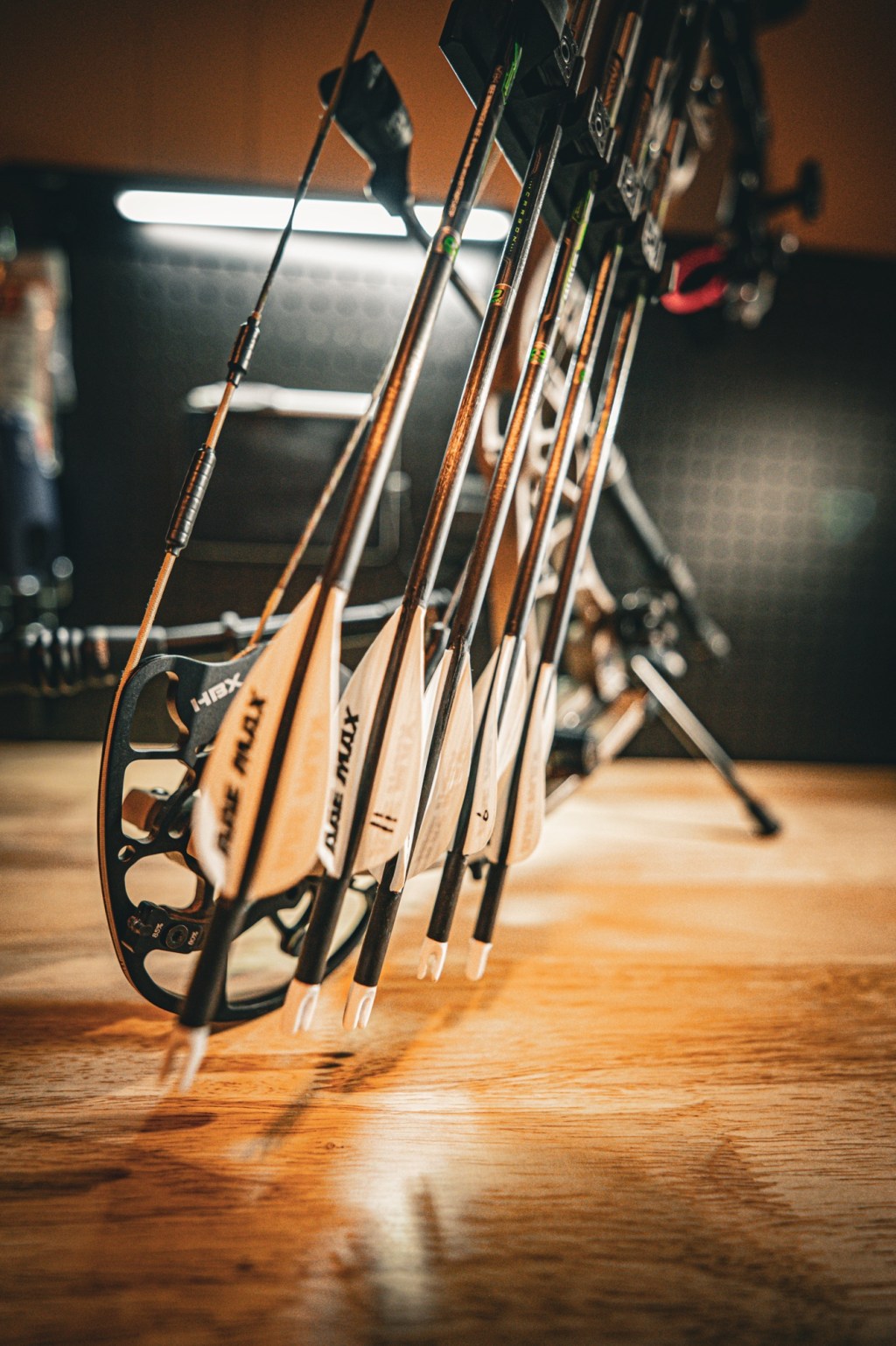
Replacing your bowstrings is one of the most important maintenance steps for consistent accuracy—but it’s also where a lot of shooters accidentally undo a perfectly good tune. The goal isn’t just new strings. It’s maintaining factory specs and minimizing adjustments after the swap.
Here’s how to do it right—and the gear that makes it simple.
When to Replace Your Bowstrings
Bowstrings wear out long before they fail. Replace them when you notice:
• Fraying strands or fuzzy spots near the cams
• Loose, separating, or glazed serving
• Peep rotation that won’t settle after break-in
• Inconsistent groups or unexplained noise
• Loss of speed or draw consistency
Most bow manufacturers recommend replacing strings and cables every 12–24 months, depending on shooting volume and storage conditions.
Common Mistakes That Kill Your Tune
These mistakes force unnecessary retuning:
• Removing old strings without counting twists
• Installing strings that aren’t built to exact factory length
• Skipping measurements like axle-to-axle and brace height
• Twisting strings randomly to fix peep rotation
• Shooting without confirming cam timing or sync
The fix is simple: measure everything before you touch the bow and match it after installation.
What to Reset After a String Change
If your strings are built correctly, you only need minor adjustments:
• Peep alignment after 50–100 shots
• D-loop position to confirm it hasn’t crept
• Cam timing/synchronization, especially on dual-cam bows
• Paper tune confirmation to verify arrow flight
If your rest and nock point were tuned before, leave them alone unless paper says otherwise.
⸻
Keep Your Old Strings as a Backup (Seriously)
If your old strings are still in safe, usable condition, don’t throw them away.
Instead:
• Leave the peep sight tied in
• Keep the same twist count
• Store them labeled in a sealed bag
Why this matters:
If something goes wrong with a new string set right before hunting season—peep won’t settle, serving slips, or timing issues—you can reinstall your old strings and be back to your known tune in minutes, not days.
This backup set has saved more hunts than people like to admit.
Pro tip: Mark the bag with bow model, draw length, and peep height so there’s zero guesswork under pressure.
⸻
If you’re replacing bowstrings soon—or plan to—don’t guess and don’t cut corners. Measure everything, keep a backup set, and use tools that make the job repeatable.
Check out the gear list below so you’re ready before you put your bow in the press—and not scrambling when season is a week away.
⸻
Gear Checklist
These are the tools that prevent mistakes and save time. If you’re doing your own string work, this is the setup I recommend:
• Replacement Bowstrings – Built to factory specs for your bow model – Gas Ghost XV Bowstrings
• Serving Tool – For tight, clean center serving and D-loop wraps – October Mountain Serving Jig
• Peep Sight – Designed to minimize rotation during break-in – Hamskea Raptor Peep
• Bow Press – Required for safe string and cable replacement – Last Chance Bow Press
• Digital Calipers or Tape Measure – To confirm axle-to-axle and brace height – Fowler Digital Caliper
• D-Loop Material – Fresh material to avoid slippage – BCY D Loop Material
• Bow Square – For checking nock height and loop position – October Mountain Bow Square
I’ve linked the exact tools I use and trust below so you can set your bow up correctly the first time.
This post may contain affiliate links, which means I may earn a small commission at no extra cost to you. I only recommend gear I’ve tested and trust, and these commissions help support the blog.
⸻





 Summit and Stream