
Cold Water in Burned Timber
A summer fly fishing day when the heat won, the brookies still ate, and the river gave us something worth bringing home.
Not every field day gives you the story you planned. Sometimes it gives you the one you needed.
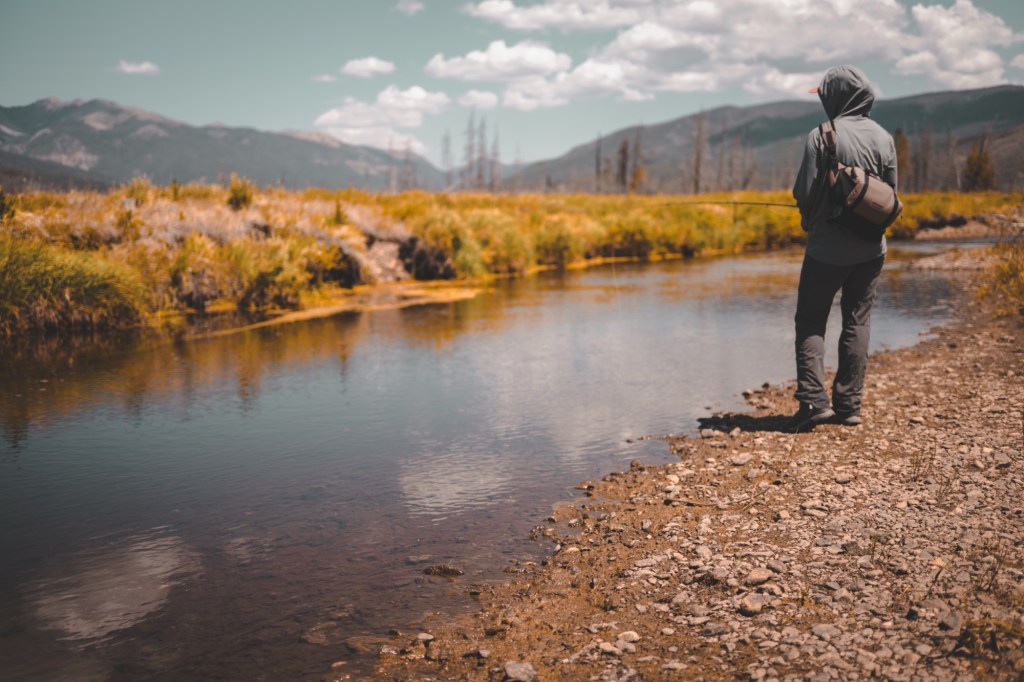
Field Details
Season: Mid-Summer
Location: Colorado High Country
Pursuit: Fly Fishing
Species: Brook Trout
Conditions: Hot sun, cold pockets, clear water, burned timber
Status: Learning
Chasing Cold Water
Denver was hot enough that I knew staying close to home probably wasn’t the right move.
Summer trout fishing can be tricky. The desire to fish is always there, but the water matters more than the plan. If the river is too warm, the better decision is to back off, move higher, or find colder water.
So we pointed the Jeep toward the high country.
The goal was simple.
Find cold water.
Fish early.
Pay attention.
And if the day didn’t give us much, take the lesson anyway.
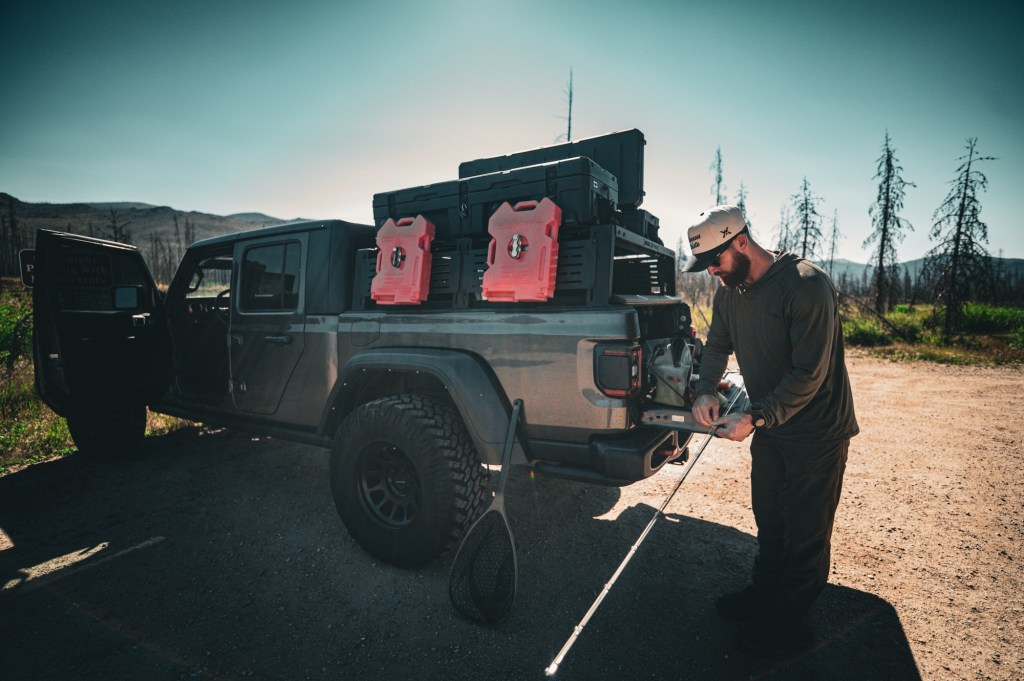
The day started the way most good field days start.
Gear spread out around the Jeep.
Fly boxes getting opened.
Packs being checked.
Water bottles within reach.
The camera close by.
I’m starting to realize that part of Summit & Stream isn’t just the fishing or hunting itself. It’s everything around it. The packing. The driving. The walking. The small decisions before the first cast ever hits the water.
Those details matter.
They are part of the story.
Burned Timber and New Growth
The country had that hard summer look.
Bright sky.
Dry trail.
Heat building fast.
Burned timber standing black against the hillsides.
But beneath it, the place was still alive.
Young green pushing through the ground.
Cold water cutting through the valley.
Small trout holding in the places where the river gave them enough cover, oxygen, and relief from the sun.
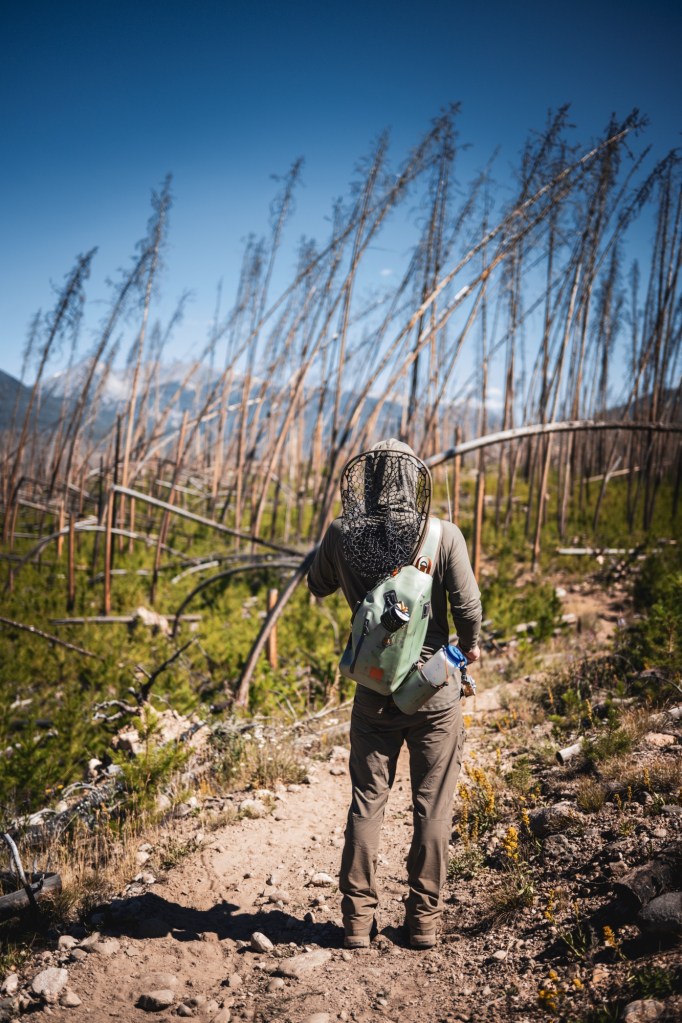
There’s something quiet about walking through burned timber.
It doesn’t feel dead.
It feels like a place still becoming something.
That was the mood of the day.
The fishing wasn’t easy. The river didn’t give us everything we hoped for. But the place still had something to say if we were willing to slow down enough to notice it.
The Fishing Wasn’t Great
I won’t pretend this was one of those days where every good-looking run produced fish.
It wasn’t.
The sun got high.
The heat pushed in.
The bite was slower than I wanted.
We moved, adjusted, opened fly boxes, changed our expectations, and kept looking for the water that made the most sense.
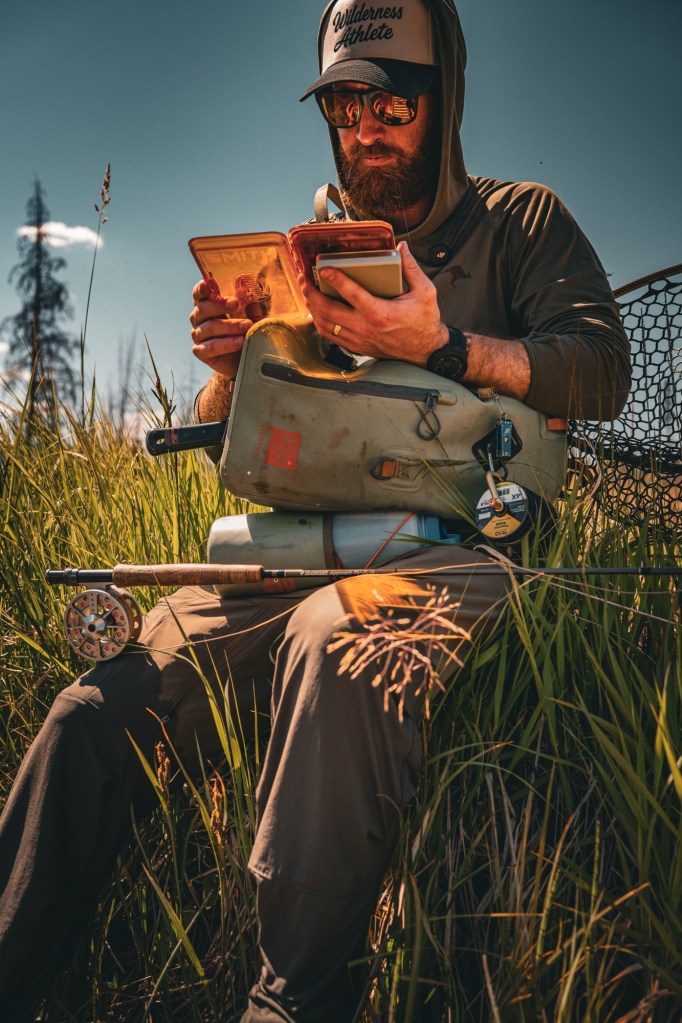
That was probably the real lesson.
Some days you don’t need more flies.
You need to read the day better.
Where is the shade?
Where is the current soft enough for fish to hold, but fast enough to bring food?
Where is the colder water?
Where does the river still feel alive when the afternoon starts pressing down?
Those questions mattered more than any perfect fly choice.
Small Brookies Still Count
We ended up catching around seven or eight brookies.
Nothing huge.
Nothing that would make someone stop scrolling because of the size.
But wild fish don’t have to be big to matter.
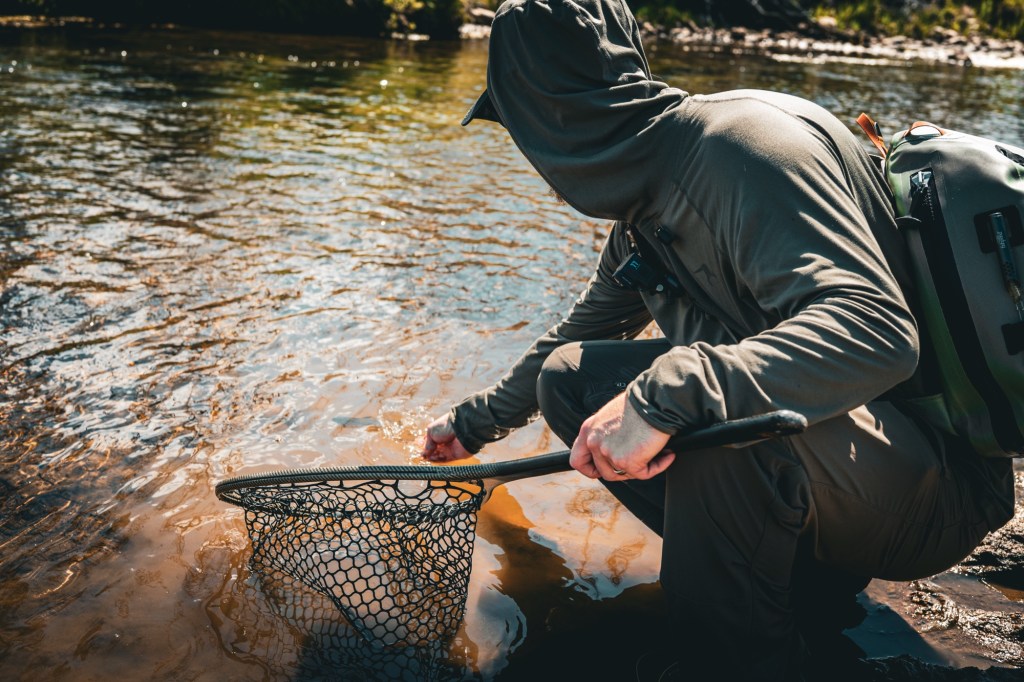
A small brook trout in cold, clear water is still a gift.
Especially on a hot summer day.
Especially when the fishing doesn’t come easy.
Especially when you’re trying to build something around real experiences instead of pretending every trip is perfect.
I’m learning that a good day outside isn’t always measured by how many fish hit the net.
Sometimes it’s measured by what you noticed.
The water temperature.
The shade line.
The way fish held close to cover.
The point where the day told you it was time to stop pushing.
Those are the things I want to remember.
What We Carried
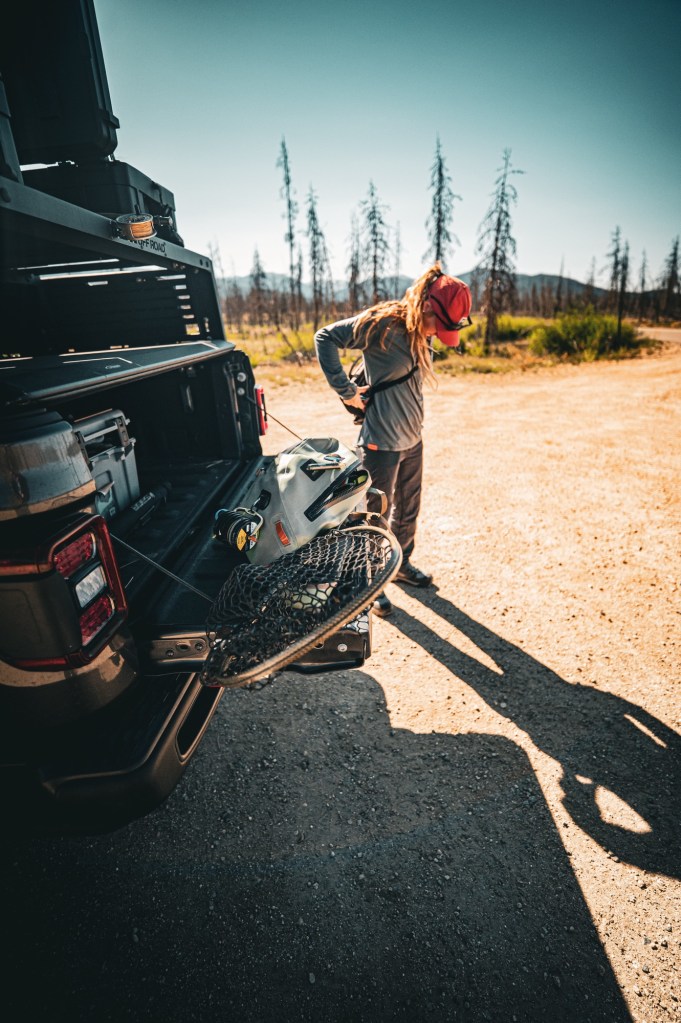
I don’t want gear to become the whole story, but good gear does make days like this easier.
For this trip, the important things were simple:
- A comfortable pack
- Fly boxes with enough options to adjust
- Nippers and forceps
- Tippet
- A rubber landing net
- Polarized sunglasses
- Plenty of water
- A camera
- A GoPro
- The willingness to stop fishing if the conditions told us to
That last one might be the most important item on the list.
Summer trout fishing requires discipline.
It’s easy to want one more cast.
One more run.
One more fish.
But trout don’t care how far you drove or how badly you wanted the day to be better than it was. The river sets the terms. We either listen or we don’t.
What the River Gave Us
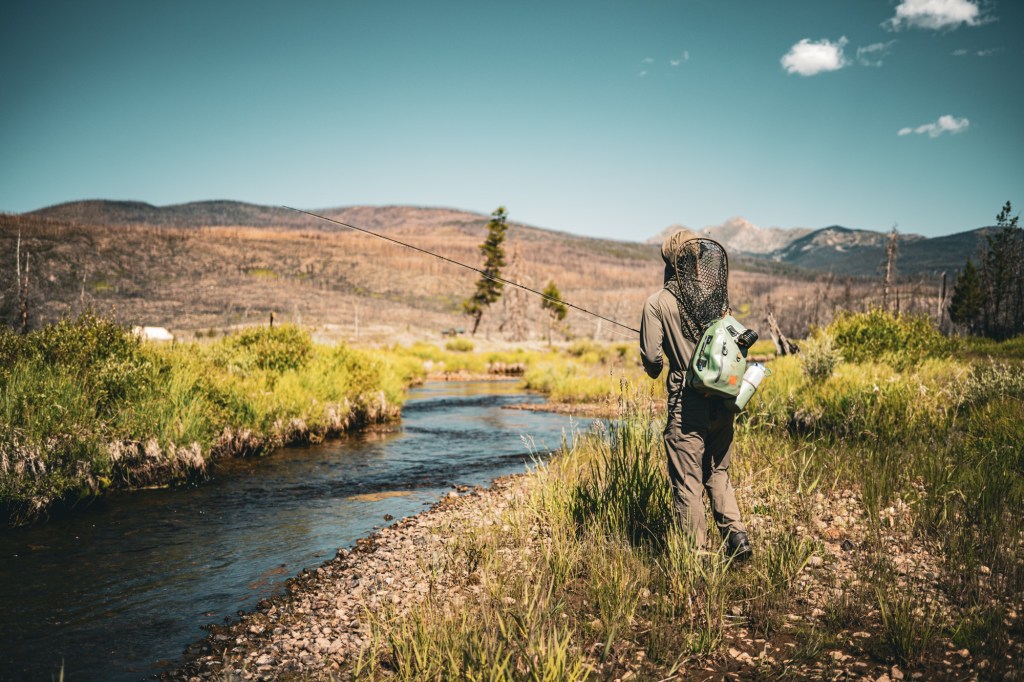
The fishing wasn’t great.
The day was still worth it.
That might be the most honest way to say it.
We found cold water.
We caught a handful of brookies.
We walked through burned timber.
We took photos.
We learned more about summer fishing, filming, and paying attention to the places we move through.
That is enough.
Not every field day becomes the story you planned.
Sometimes it becomes the one you needed.
And if you come home with a few photos, a few lessons, and a better understanding of the water than you had before, that feels like a good day to me.
Field Notes
What worked: Moving higher, fishing colder water, staying flexible, and paying attention to shaded and oxygenated sections.
What was difficult: Heat, slower fishing, and trying to film while still staying present on the water.
Biggest lesson: Summer fishing is less about forcing the day and more about listening to the water.
What I’ll do differently next time: Start even earlier, carry a stream thermometer, and focus harder on the best water before the heat takes over.
Keep Learning.
— Jacob
Summit & Stream
This post may contain affiliate links, which means I may earn a small commission at no extra cost to you. I only recommend gear I’ve tested and trust, and these commissions help support the blog.


Leave a Reply