The Prairie Doesn’t Forgive
The Pursuit of Colorado Pronghorn with a Bow
“The prairie doesn’t owe you success. It only offers another chance to learn.”
⸻
⸻
FIELD DETAILS
Season: Early September
Location: Colorado’s High Plains
Pursuit: Spot & Stalk Pronghorn
Weapon: Bow
Status: Learning
⸻
The Prairie Doesn’t Forgive
The prairie announces itself before daylight.
At four in the morning, the alarm isn’t difficult. I’m already awake.
A quick breakfast. A couple cups of coffee. One last check to make sure everything is where it belongs before I pull onto the highway.
My Marsupial bino harness.
Release tucked inside and ready to go.
Water riding in the front seat.
Arrows secured in the quiver.
By the time the first light begins to push across Colorado’s high plains, I’m already driving.
Every morning starts with hope.
Not because I expect success.
Because I know I’ll learn something.
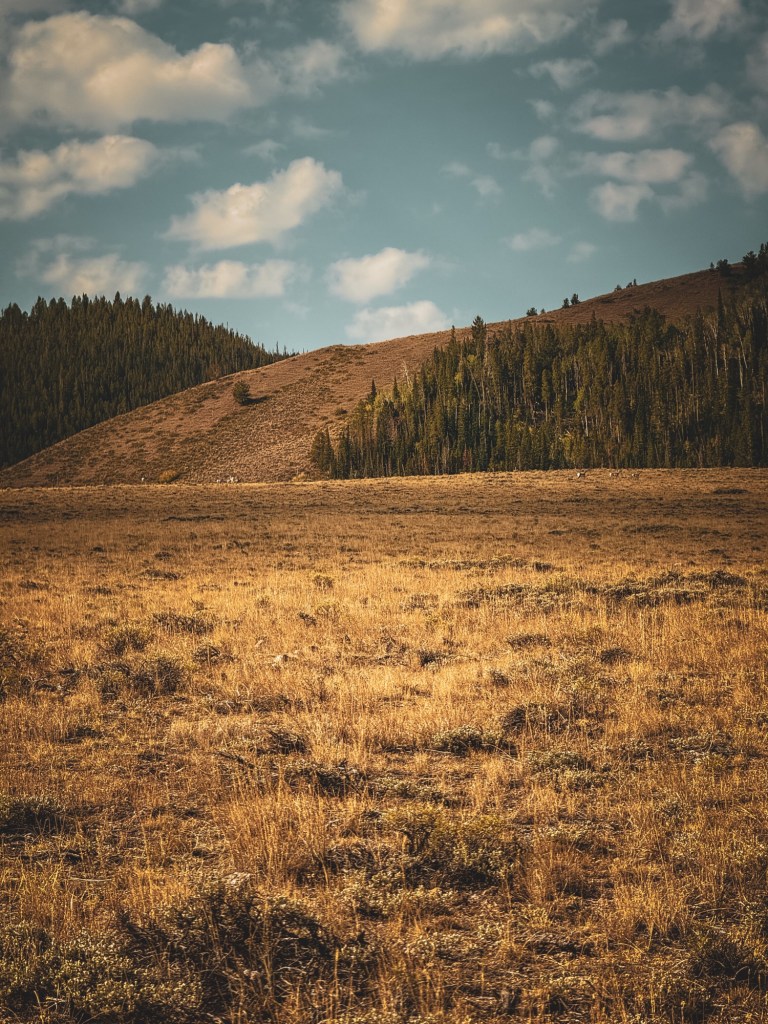
The prairie smells exactly how it looks.
Sage.
Dust.
Dry earth.
Before sunrise the air is cool enough to make the drive comfortable, but I know it won’t last. By noon the temperature will be climbing into the 80s, and the prairie will feel completely different than it did a few hours earlier.
The wind never stops.
It pushes steadily across the open country before swirling unpredictably through shallow draws and rolling hills. You learn quickly that you can’t trust it completely, but you can never ignore it.
When most people picture pronghorn country, they imagine empty space.
I don’t anymore.
Now I know better.
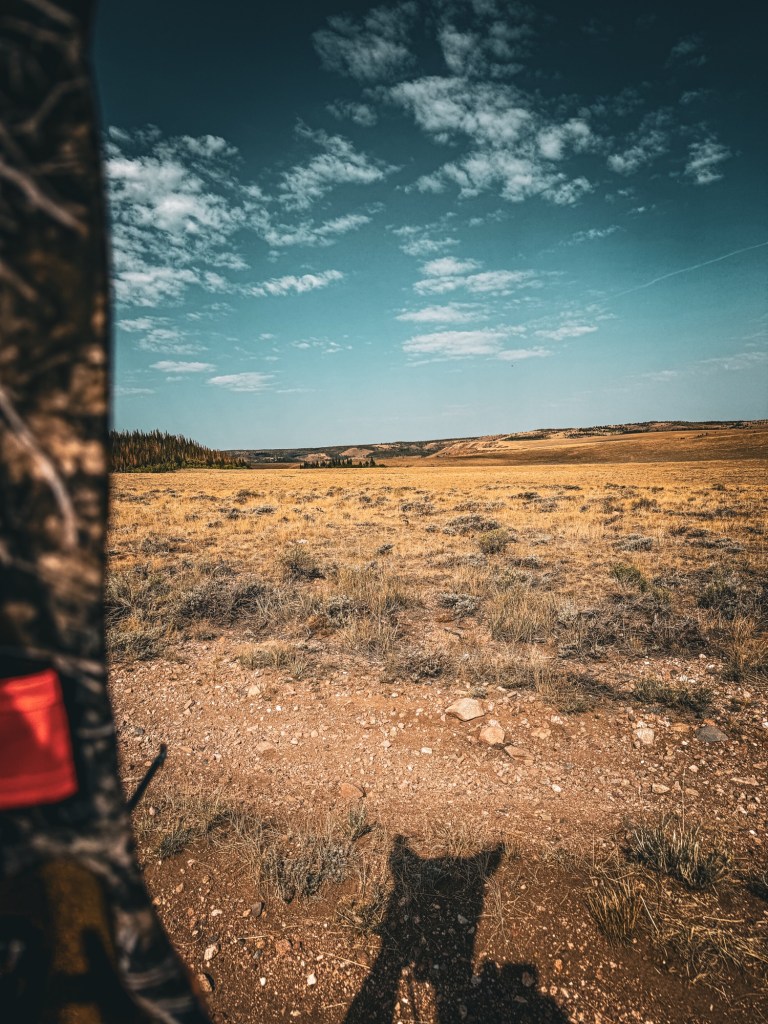
At first glance the prairie looks lifeless.
Then an ear flicks.
A white cheek turns.
A tan body shifts against the sagebrush.
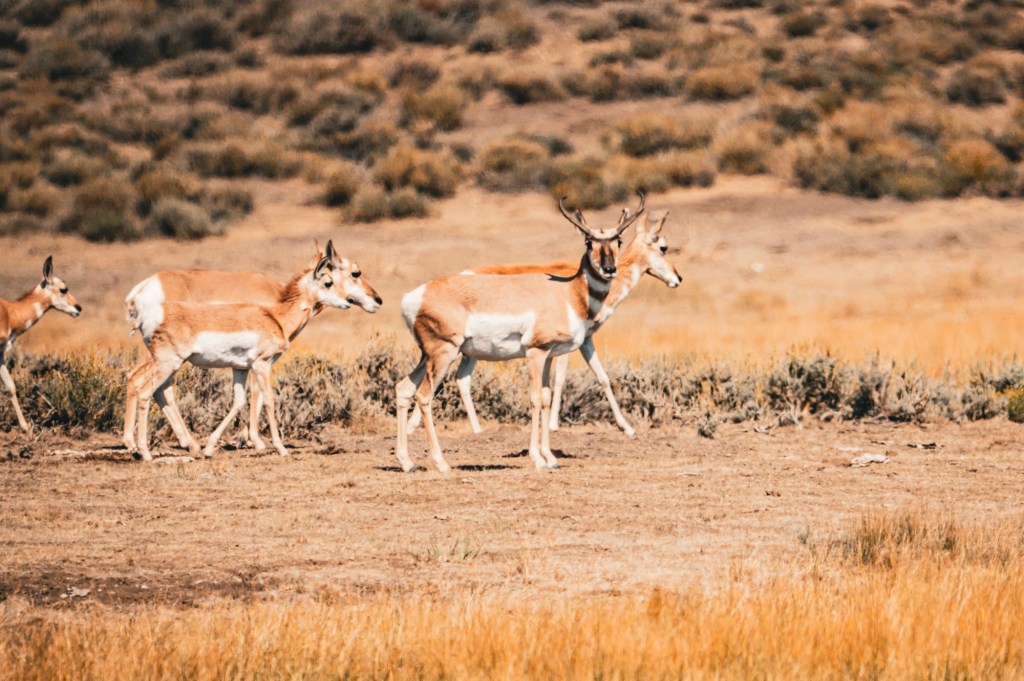
Suddenly the landscape is full of animals that had been watching you long before you noticed them.
Over five days I saw more than one hundred pronghorn.
Finding them was never the difficult part.
Getting close was.
⸻
⸻
One of the biggest surprises wasn’t how many pronghorn lived here.
It was how little cover there actually was.
Every stalk became a lesson in planning.
The Jeep had to disappear behind a hill before I ever opened the door.
The wind had to be working in my favor.
Every fold in the landscape became cover.
Every patch of sagebrush became another opportunity to disappear.
Sometimes that meant walking.
Sometimes it meant crawling.
Sometimes it meant lying flat on my stomach with one eye on the next clump of sage and the other watching for rattlesnakes.
The prairie demands your attention.
Not just because of the animals you’re chasing, but because everything out here has adapted to survive.
⸻
“Every stalk starts long before you leave the Jeep.”
⸻
By midday I had already blown three stalks.
I laughed.
Not because I enjoyed failing.
Because that’s pronghorn hunting.
You don’t sit around thinking about the one that got away.
You drink some water.
Study the wind.
Climb back into the Jeep.
Start looking for the next opportunity.
There was never any thought of quitting.
The pursuit had already become enough.
⸻
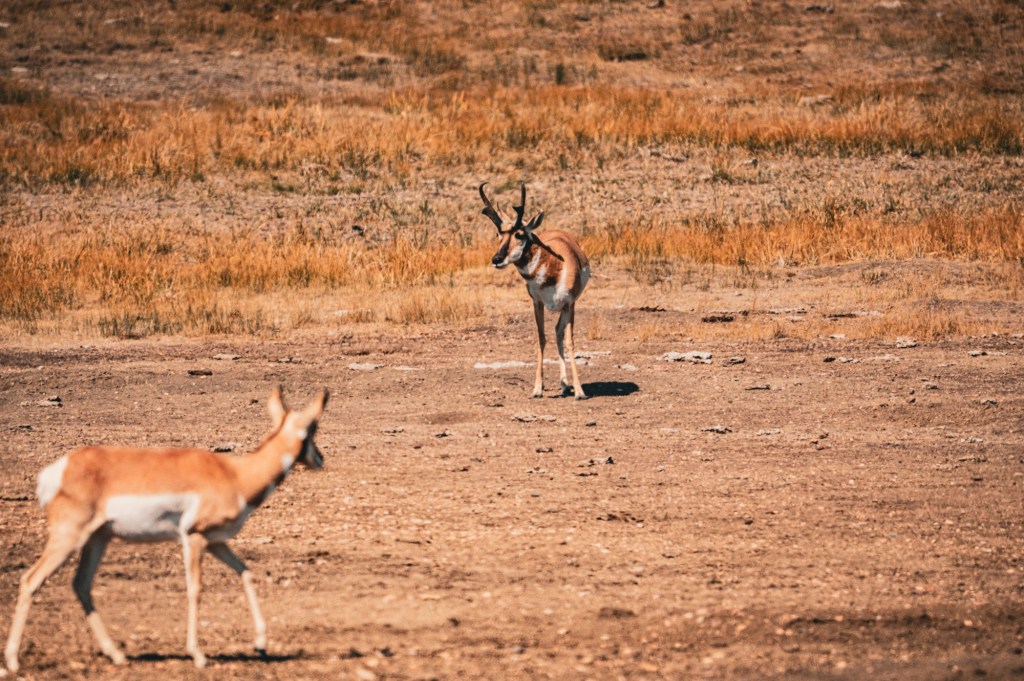
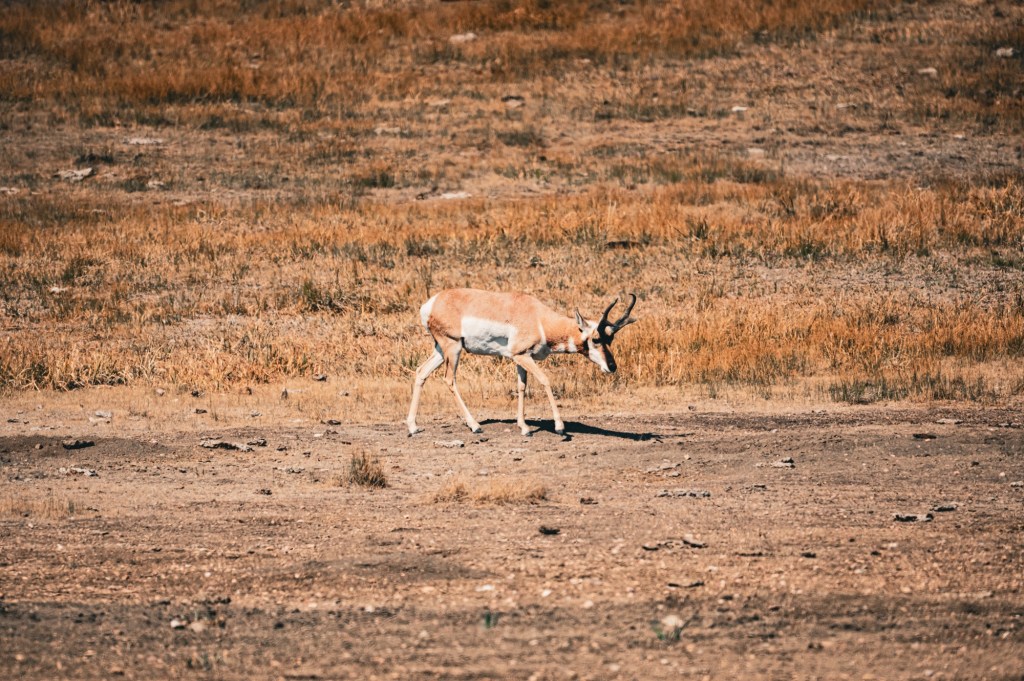
Late that afternoon I spotted another small herd feeding between two rolling hills.
Nine pronghorn.
Two bucks.
One was just a little heavier and more mature than the other.
Exactly the kind of buck I’d hoped to spend my season chasing.
The stalk started long before I left the Jeep.
I circled wide, parking where the rolling hills would hide the vehicle from view.
From there I slipped down the backside of the hill and followed a shallow valley for nearly four hundred yards.
The wind felt right.
The terrain finally seemed to be helping me instead of working against me.
When I eased up to check my position, the herd was still there.
About one hundred and seventy-five yards away.
Perfect.
I dropped back into the draw and continued forward.
I wasn’t trying to shoot from there.
My goal was simple.
Get inside sixty yards before I ever thought about drawing my bow.
⸻
⸻
The last stretch had to be on my hands and knees.
The smell of sage became stronger the closer I got to the ground.
Dust covered my sleeves.
Every handful of dirt reminded me to pay attention.
Rattlesnakes live here too.
Every movement slowed to inches.
One final rise separated us.
I slowly lifted my eyes over the crest.
The plan had already changed.
The herd hadn’t moved away.
They had fed toward me.
The first thing I saw wasn’t horns.
It was multiple pairs of big black eyes looking directly at me.
Thirty yards.
For one brief moment, months of preparation had become thirty yards.
My arrow was already nocked.
I never had the chance to draw.
One doe caught the slightest movement.
Heads snapped up.
Then all I could see were white rumps disappearing across the prairie toward neighboring private land.
Just like that, it was over.
⸻
I stayed there for another moment.
Then I laughed.
Not because I’d failed.
Because that’s the game.
I brushed the dust from my sleeves, took a long drink of water, and started walking back toward the Jeep.
Before I was halfway there I was already looking through my spotting scope for the next herd.
There was no frustration.
There was no thought of going back to town early.
I had fallen in love with the pursuit.
⸻
⸻
That evening looked much like every other evening that week.
A hot shower.
A burger somewhere in town.
Batteries charging on the hotel desk.
OnX open on my laptop as I searched for overlooked pockets of public land tucked between private parcels.
Tomorrow’s hunt had already begun.
I haven’t harvested a big game animal with my bow yet.
Some people might see that as failure.
I don’t.
Every day in the field teaches me something.
Every blown stalk reminds me that I still have more to learn.
Every sunrise over the prairie gives me another opportunity to become a better hunter than I was yesterday.
The prairie doesn’t owe me success.
It only offers another chance to learn.
And that’s enough to keep me coming back.
⸻
Field Notes
Season: Early September
Location: Colorado’s High Plains
Pursuit: Spot & Stalk Pronghorn
Weather: Cool mornings, warm afternoons, constant wind
Lesson Learned: Success isn’t guaranteed, but every stalk teaches something worth carrying into the next one.
⸻
Keep Learning.
— Jacob
Summit & Stream