
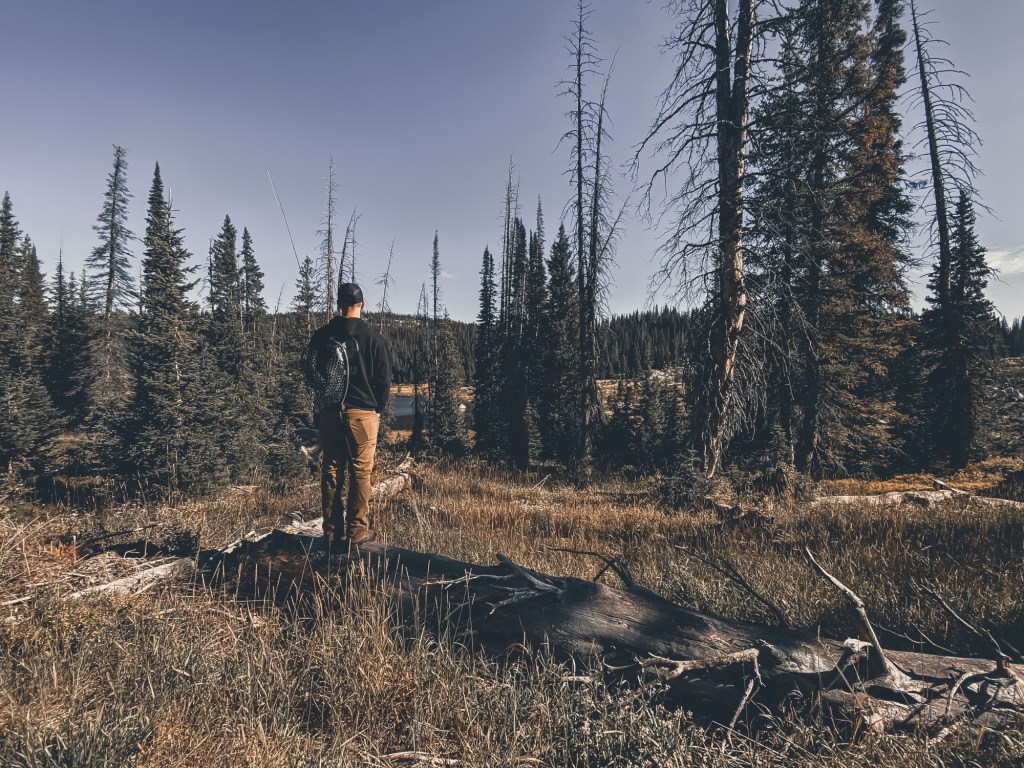
Backcountry Fly Fishing in Colorado: A Hardcore Angler’s Paradise
Fly fishing in Colorado is already world-class. But if you really want to get away from the crowds, find untouched waters, and catch wild fish that rarely see a fly, you head into the backcountry. That’s where Colorado turns into a paradise for anglers who are willing to put in the work. If you’re up for hiking, camping, and navigating remote terrain, backcountry fly fishing in Colorado offers solitude, adventure, and some of the most rewarding fishing you’ll ever experience.
Here’s what you need to know to do it right.
Why Go Backcountry?
Let’s get one thing straight: this isn’t about catching the biggest fish. It’s about experience. Hiking into remote alpine lakes or headwater streams, setting up camp miles from the nearest road, and casting to wild trout in gin-clear water—that’s what it’s about.
Here’s what you get in the backcountry:
Unpressured fish: These trout don’t see many anglers. They’re wild, aggressive, and more likely to hit a well-presented fly. Solitude: You’re not shoulder-to-shoulder with other anglers. Often, you won’t see another soul. Stunning scenery: Think jagged peaks, alpine meadows, glacial lakes, and clear-flowing creeks. Adventure: This isn’t a grab-your-rod-and-go spot. You’re earning it with sweat and effort.
If you’re looking for an Instagram-friendly lodge and a hot meal at the end of the day, this isn’t it. If you’re looking for peace, challenge, and pure fishing, keep reading.
When to Go
The Colorado high country doesn’t open up until late spring or early summer. Snow lingers in the mountains, and access roads and trails often remain impassable until mid-June. In general:
Best time: Late June to mid-September Early season (June/early July): Expect snowmelt, high flows, and cold temps. Peak season (late July to August): Stable weather, good insect hatches, prime fishing. Late season (September): Crisp days, fewer bugs, spooky fish, changing leaves.
Plan around the snowpack and monsoon season. Afternoon thunderstorms are common in July and August, especially above treeline, so start your hikes early and always keep an eye on the weather.
Where to Go: Top Backcountry Fly Fishing Destinations in Colorado
Backcountry fishing means getting beyond the trailhead. Some of these places take hours of hiking. Others require multi-day backpacking trips. All are worth it.
1. Indian Peaks Wilderness
Location: Just west of Boulder Target species: Cutthroat, brook trout, rainbow Why it’s great: Dozens of alpine lakes and headwater streams within a few hours of Denver. Trails are well-maintained. Popular with hikers but easy to find solitude with a bit of effort. Top spots: Upper Coney Lake, Jasper Lake, Buchanan Pass area
2. Holy Cross Wilderness
Location: Near Vail and Leadville Target species: Native cutthroat, brook trout Why it’s great: Remote, scenic, and packed with small lakes teeming with trout. Good multi-day loop options. Top spots: Tuhare Lakes, Fancy Lake, Missouri Lakes Basin
3. Flat Tops Wilderness
Location: Northwest Colorado Target species: Colorado River cutthroat, brook trout Why it’s great: The heart of Colorado’s backcountry fishing. Endless creeks and lakes, with miles of trail access. Less crowded than Front Range options. Top spots: Trappers Lake (base camp), Derby Creek, Little Trappers Lake
4. Weminuche Wilderness
Location: San Juan Mountains, southern Colorado Target species: Rio Grande cutthroat, brook trout, rainbow Why it’s great: Colorado’s largest wilderness area. Big elevation, big views, and remote fishing. Top spots: Vallecito Creek, Needle Creek, Chicago Basin
5. Rocky Mountain National Park (RMNP)
Location: North-central Colorado Target species: Greenback cutthroat (native), brook trout Why it’s great: RMNP is home to some of the most scenic backcountry fishing in the state. Greenback cutthroat restoration has brought new life to these waters. Top spots: Thunder Lake, Fern Lake, upper sections of the Big Thompson
What You’ll Need: Backcountry Fly Fishing Gear Checklist
You’re combining backpacking with fly fishing, which means weight and simplicity matter. Here’s a gear list broken down into essentials:
Fishing Gear
Fly rod: 3–5 wt, 8–9 ft. A 4-piece rod is easiest to pack. Reel: Lightweight, with a smooth drag. Nothing fancy needed. Line: Weight-forward floating line. Leader & tippet: 5X or 6X works fine for small alpine trout. Flies: Dries: Parachute Adams, Elk Hair Caddis, Royal Wulff, Ants, Hoppers. Nymphs: Hare’s Ear, Pheasant Tail, Copper John Streamers: Woolly Bugger (black or olive) Accessories: Nippers, hemostats, floatant, fly box, small net (optional), polarized sunglasses
Backpacking Gear
Pack: 45-65L pack depending on trip length Tent: Lightweight 1- or 2-person tent Sleep system: 20–30°F sleeping bag + sleeping pad. Stove: Canister stove (Jetboil or similar) Water: Filter or purifier (don’t skip this) Food: Lightweight, high-calorie meals (dehydrated meals work great) Clothes: Layers, rain shell, warm hat, gloves Footwear: Waterproof hiking boots; optional lightweight sandals for wet wading Other: Map, compass/GPS, first-aid kit, headlamp, sunscreen, bear hang or canister
If you’re fishing lakes and small streams, you can usually wet wade. But in colder months or higher elevations, pack breathable waders and lightweight boots if you need them.
Tips for Success in the Backcountry
1. Hike smart, fish smarter
Get an early start to avoid storms. Fish early or late in the day when the trout are active. Midday sun often shuts them down.
2. Pack light, think smart
Every ounce counts. Multi-use gear is your friend. You don’t need a dozen fly boxes—just a small selection of proven patterns.
3. Know the regulations
Many backcountry areas are catch-and-release only. Some have fly-and-lure-only rules. Others are part of native trout recovery zones. Check with Colorado Parks & Wildlife or local forest service offices.
4. Respect the fish and the land
Keep fish wet. Don’t trample spawning beds. Pack out what you pack in. These places are wild and fragile.
5. Don’t underestimate the wild
Weather shifts fast. Wildlife is out there. Always tell someone where you’re going and carry a map or GPS. Backcountry fly fishing isn’t just about the fish—it’s survival, too.
Planning a Trip: Logistics and Strategy
Access: Many trailheads are down dirt roads that may require 4WD or high clearance. Always check road conditions and bring paper maps—cell service disappears fast.
Permits: Most wilderness areas don’t require permits for small groups, but always double-check. Some high-use areas have overnight restrictions.
Time: You can do some of these lakes and streams as day hikes, but the best experiences usually come from staying a night or two.
Route planning: Use tools like CalTopo, AllTrails, or Gaia GPS to plan routes, measure mileage, and check elevation gain. Remember: 5 miles on a map can feel like 10 with a full pack at 11,000 feet.
A Sample 3-Day Itinerary: Indian Peaks Wilderness
Day 1
Drive to Monarch Lake trailhead Hike 5.5 miles to Crater Lake Set up camp, fish the lake for aggressive brookies and cutthroat
Day 2
Day hike to Mirror Lake and Pawnee Pass Fish high alpine lakes and streams Return to camp for sunset and maybe a last cast
Day 3
Early morning fishing session Break camp and hike out Beer and burger in Nederland
Final Thoughts
Backcountry fly fishing in Colorado isn’t for everyone. It takes work. It takes time. It takes a little bit of suffering.
But if you’re willing to earn it, there’s nothing like it.
You’ll catch wild fish in wild places. You’ll find silence, stars, and a connection to nature that’s getting harder to find in the modern world. And you’ll come back with stories worth telling—not just of fish caught, but of places explored and challenges met.
So grab your rod, lace up your boots, and get out there.
The backcountry’s waiting.
This post may contain affiliate links, which means I may earn a small commission at no extra cost to you. I only recommend gear I’ve tested and trust, and these commissions help support the blog.
 Summit and Stream