Summit and Stream


Category: Hunting

  • My Hoyt Bow Setup for Western Hunting & 3D Shooting: What I Run and Why

    My Hoyt Bow Setup for Western Hunting & 3D Shooting: What I Run and Why

    I don’t believe in building separate bows for every discipline. I believe in building one bow I know inside and out — one that gets shot year-round, carried into the mountains, and trusted when things aren’t perfect.

    This is my current hybrid bow setup, built to work for both western big-game hunting and 3D shooting. Every piece here was chosen deliberately. Nothing is theoretical. This setup has been practiced with, tuned, adjusted, and carried — and it continues to evolve as I learn.

    The Foundation: Bow & Core Specs

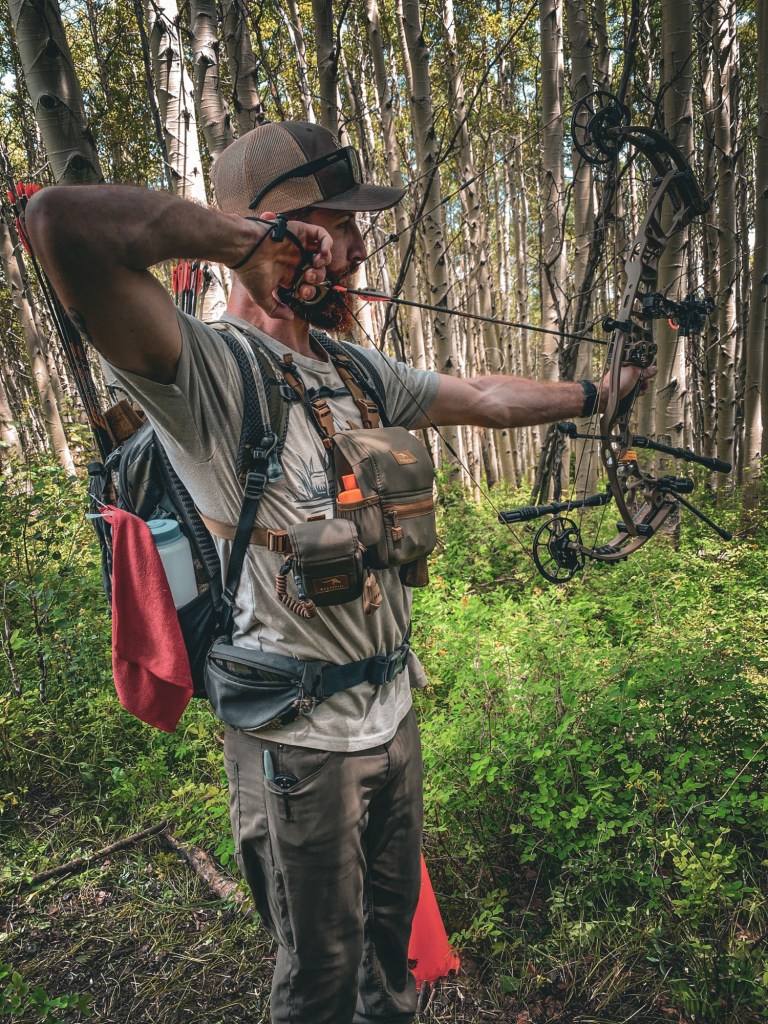
    At the center of this setup is my Hoyt Ventum 33”.

    Axle-to-Axle: 33″ Brace Height: 6 ⅜″ Draw Length: 29″ Draw Weight: 70 lbs (run year-round)

    The Ventum 33 hits a rare balance point. It’s compact enough to move well in timber and steep terrain, but stable enough to feel composed at full draw — whether I’m shooting foam targets or waiting on an animal to commit.

    I run 70 pounds all year without backing off in the offseason. That consistency matters. Same draw weight, same feel, same execution. I want my practice to translate directly into hunting season without mental or physical adjustments.

    Where this bow really stands out is how calm it feels once I hit the wall. It doesn’t rush me or feel jumpy. It settles and holds, which shows up on longer 3D shots and matters even more when a real animal keeps you at full draw longer than planned.

    Sight: One Setup, Two Roles

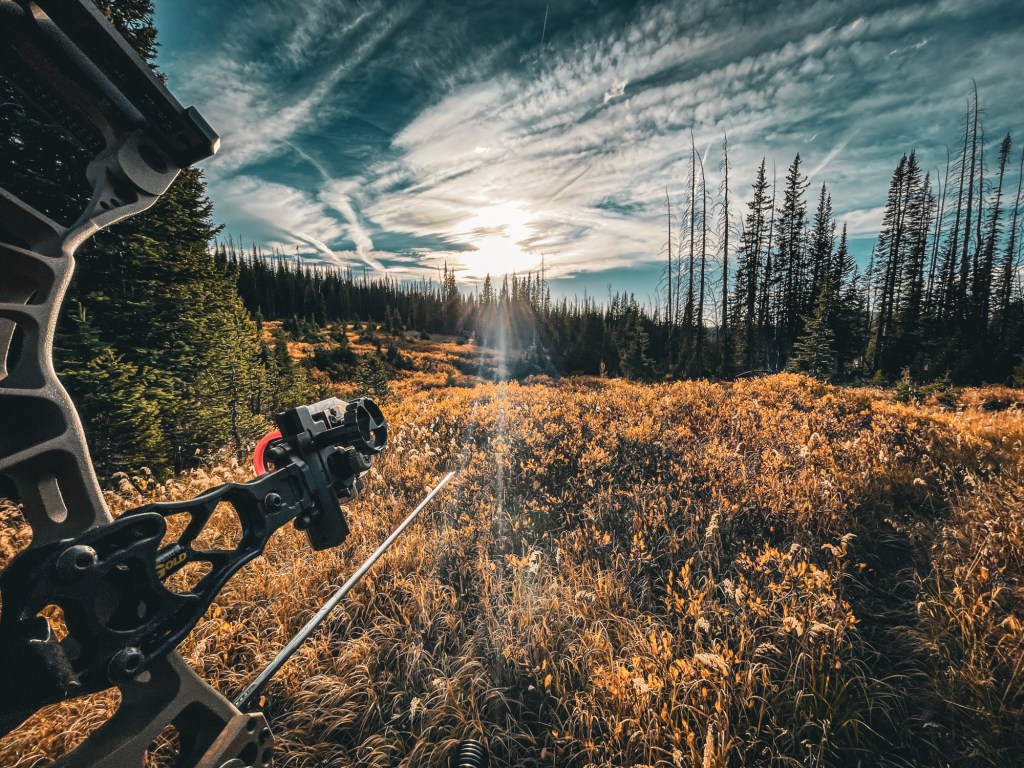
    I run the Black Gold Pro Hunter HD 3-pin slider, and it’s one of the most important pieces in making this bow a true hybrid.


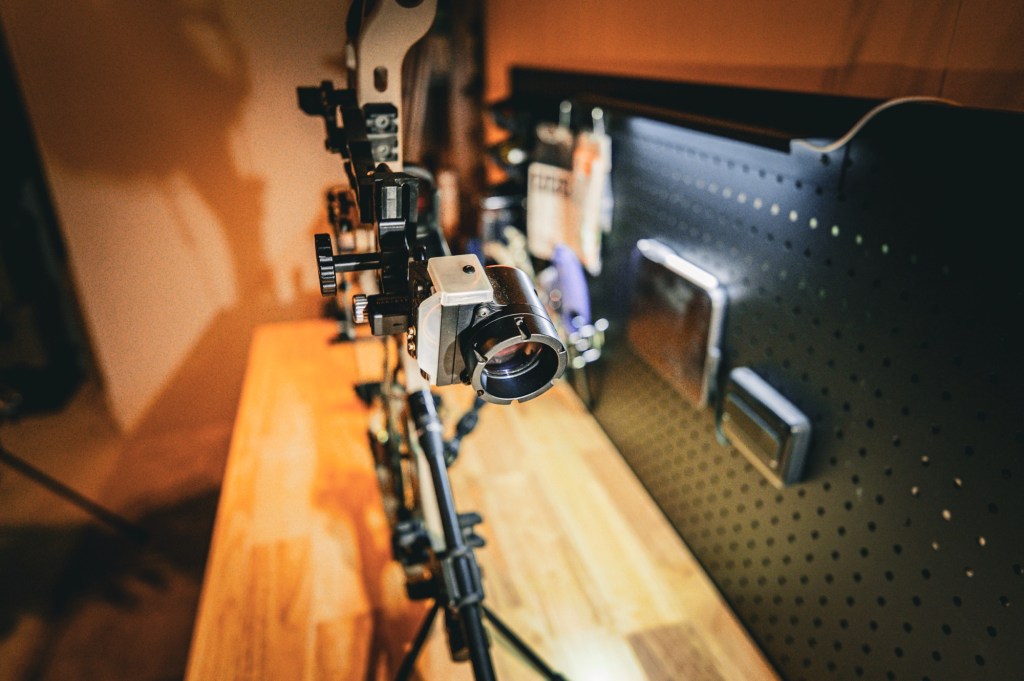
    The Black Gold Pro Hunter HD 3-pin slider in its element — simple in the field, precise when dialed for distance.

    For hunting, I keep the pins set at 20, 30, and 40 yards. That covers the majority of real western shots and keeps the sight picture clean and fast. When an animal steps out, I’m not thinking about dialing or sorting through pins — I already have what I need.

    Anything beyond 40 yards, I use the bottom pin as a floater. If time and conditions allow, I’ll dial the sight to exact yardage and hold dead-on. That gives me the precision of a single-pin setup without sacrificing the speed and simplicity of fixed pins for closer encounters.

    This system carries perfectly into the offseason and 3D shooting.

    When I’m shooting 3D, I rely heavily on the slider. Dialing exact yardage with the bottom pin keeps practice honest and exposes flaws quickly — especially at longer distances.

    During the offseason, I also add the Black Gold 2x Magnifier. The magnification doesn’t make shots easier — it makes mistakes obvious. Pin float, anchor inconsistencies, execution issues — they all show up immediately.

    When hunting season rolls around, the magnifier comes off. The sight goes back to a clean, forgiving setup that’s fast in low light and familiar under pressure.

    Same sight. Same pins. Same muscle memory.

    Just more precision when I want it, and simplicity when I need it.

    Stabilizers: Tuned for Balance, Not a Dead Pin

    Stabilizers are where most hybrid setups go wrong — either too heavy and range-only, or too minimal to be effective.

    I run Shrewd Vantage stabilizers in a front-and-rear configuration:

    Front: 12″ with 1 oz Rear: 9″ with 3 oz

    This setup is about balance, not chasing a perfectly still pin.

    The longer front bar gives direction and slows the sight picture without making the bow feel nose-heavy. Keeping the front weight light makes the bow easier to manage in the mountains and more forgiving on uneven footing.

    The rear bar does most of the stabilizing work. Running more weight in the back helps the bow settle naturally and stay upright at full draw. Instead of forcing the bow to hold still, it feels neutral — like it wants to stay where I aim it.

    For 3D shooting, this setup:

    Slows pin float Helps the bow track cleanly through the shot Makes long practice sessions more consistent

    For hunting, it stays compact, maneuverable, and easy to live with in brush, timber, and steep terrain.

    Arrow Rest: Simple, Bombproof, and Consistent

    I run the Hamskea Hunter Hybrid Pro, and it’s one of those components I don’t think about anymore — which is exactly what I want.

    The rest is quiet, secure, and extremely consistent. Once it’s set, it stays set. I don’t worry about timing issues, movement, or noise — whether I’m shooting 3D targets or hiking miles into elk country.

    It holds the arrow securely while moving, tunes easily, and disappears once I’m at full draw. That reliability is why it’s earned a permanent place on this bow.


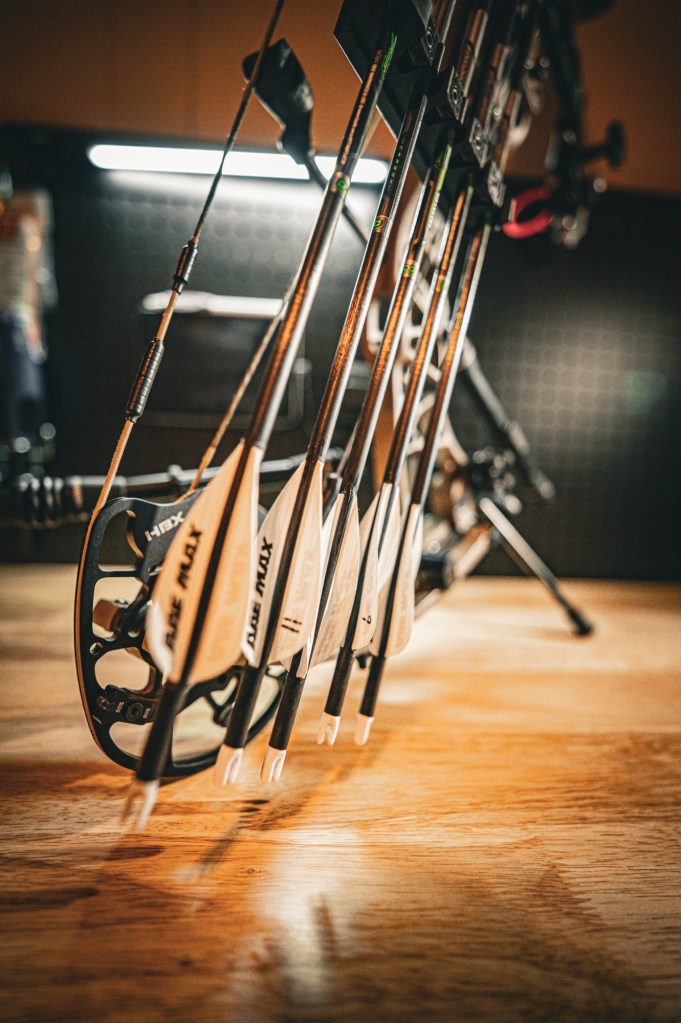
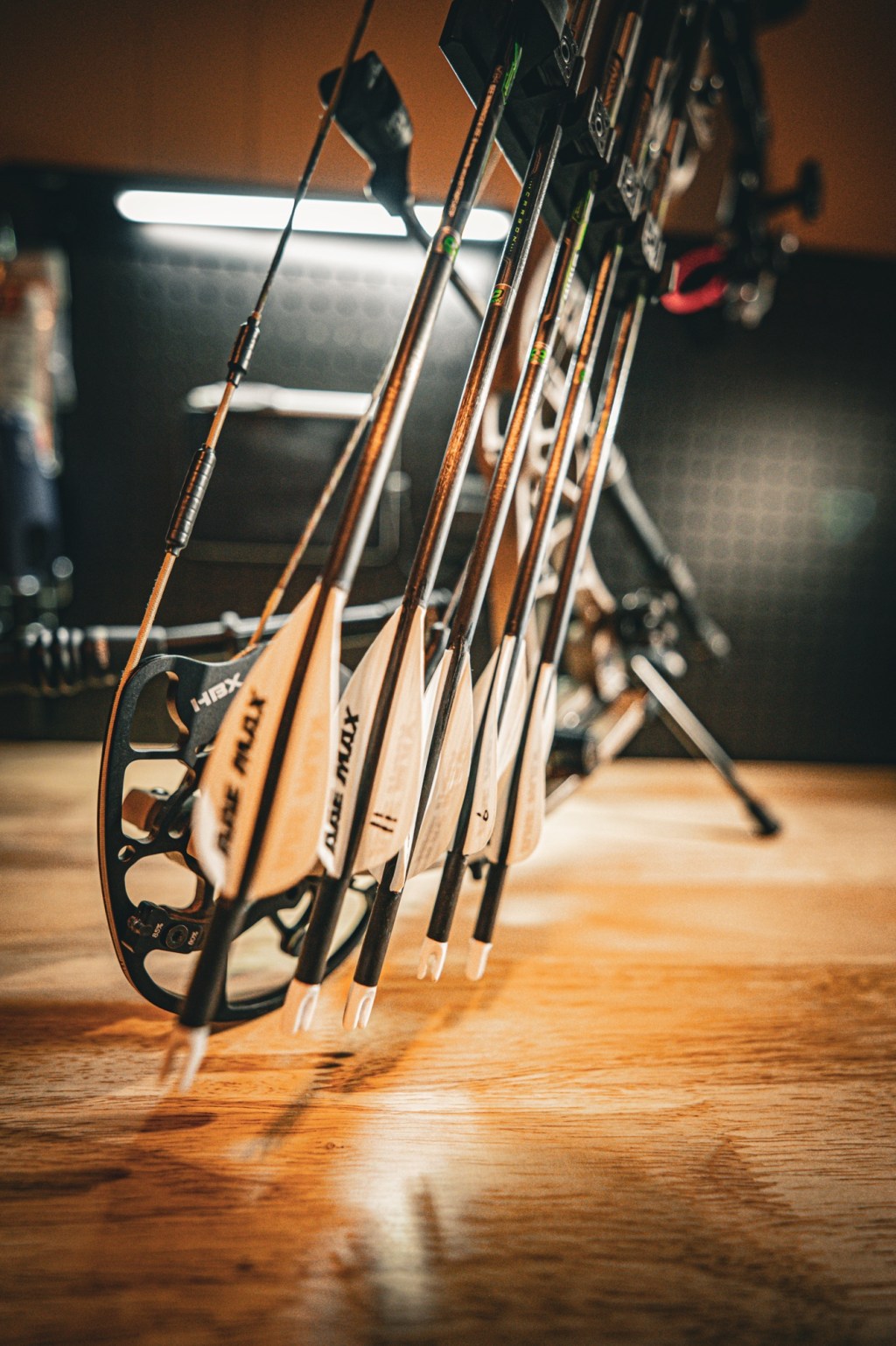
    Shooting the same Hoyt Ventum 33 setup year-round — building confidence through repetition instead of changing gear between seasons.

    Why This Setup Works as a Hybrid

    This bow works because nothing changes between seasons.

    Same draw weight.

    Same sight picture.

    Same balance.

    Same feel.

    3D shooting keeps me honest. Hunting keeps me realistic. Running one setup forces consistency — and consistency builds confidence.

    Foam exposes flaws. Animals punish them. This setup helps me address both.

    Final Thoughts

    This isn’t a trendy build or a spec-sheet flex. It’s a setup built around reliability, familiarity, and repeatable execution.

    If you’re building a hybrid bow for western hunting and 3D shooting:

    Keep it balanced Keep it simple Shoot it year-round

    That’s how confidence is built — one arrow at a time.

    Coming Next

    I’ll break out deeper dives on:

    Arrow builds & weight philosophy Broadheads for western game Tuning this setup for both 3D and hunting Why I run a 3-pin slider in the West

    Affiliate Disclosure

    This post may contain affiliate links. If you purchase through these links, I may earn a small commission at no extra cost to you. I only recommend gear I personally use and trust.

  • Border Country Reflections

    Border Country Reflections

    “When the trip ends, it’s not just the animals you remember — it’s the quiet moments between.”

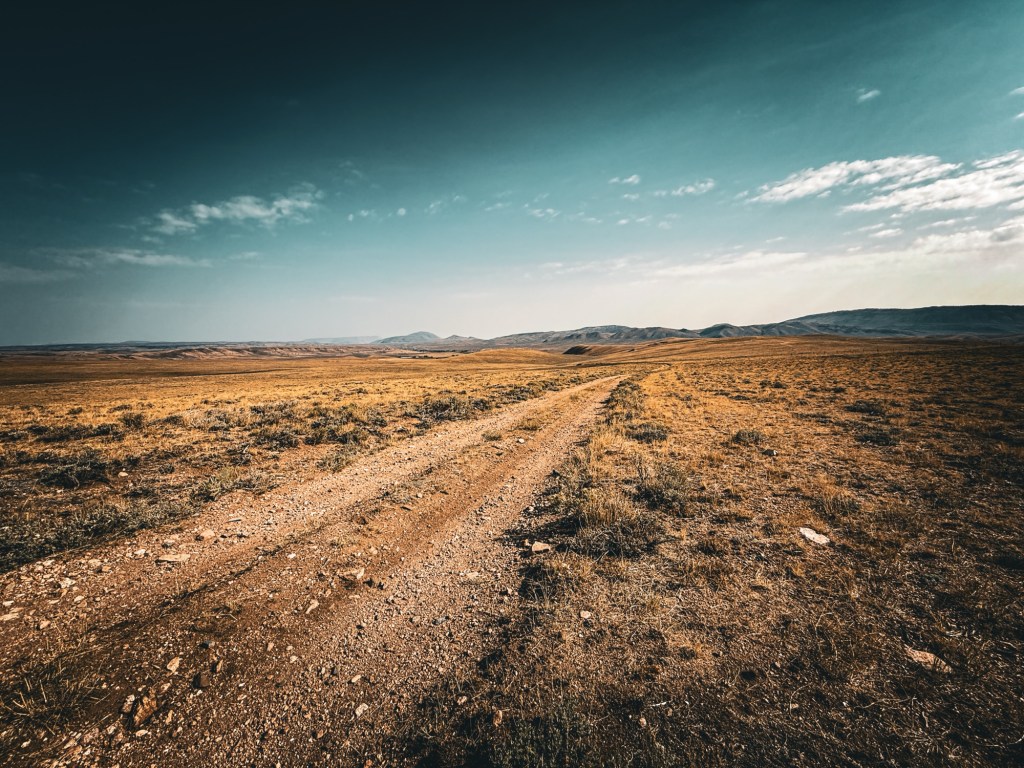
    There’s a stretch of land along the Colorado-Wyoming border where the plains roll out like an ocean, broken only by sagebrush, distant ridgelines, and the flash of pronghorn moving across the horizon. It’s a place where patience is tested, where storms come out of nowhere, and where the stillness between pursuits can be just as memorable as the action.

    This trip was a mix of bowhunting and fly fishing—three days chasing antelope and sliding in hours on the water whenever I could. I didn’t end up bringing home a pronghorn, but the lessons, the fish, and the memories made the trip worth every mile.

    The Stalks

    Pronghorn are humbling animals. Their eyesight is otherworldly, and every time I thought I had the upper hand, I learned otherwise. Over three days, I made twelve stalks. Some ended quickly, with the herd blowing out before I could even close the distance. Others took me crawling through sage, using every dip in the ground to get closer.

    The closest I came was fifty yards. I’d worked my way over a rolling hill, heart pounding, certain the herd was still bedded a hundred yards off. When I eased my head just a little too high, they were right there. One flick of an ear, and then they were gone—white rumps flashing as they bolted across the plains. It was equal parts frustration and awe. I had blown the stalk, but even in failure, I was reminded why I love bowhunting. It’s the chess match, the patience, and the razor-thin line between success and a story.

    Fishing Between the Hunts

    The bow went back into the Jeep when the sun climbed high, and the fly rod took its place. The border country has a way of surprising you—small streams that swell with rain, lakes tucked against quiet timber. In the afternoons, I’d watch thunderstorms roll in, the sky turning bruise-colored before opening up. Afterward, the water would stain just enough to bring brown trout up.

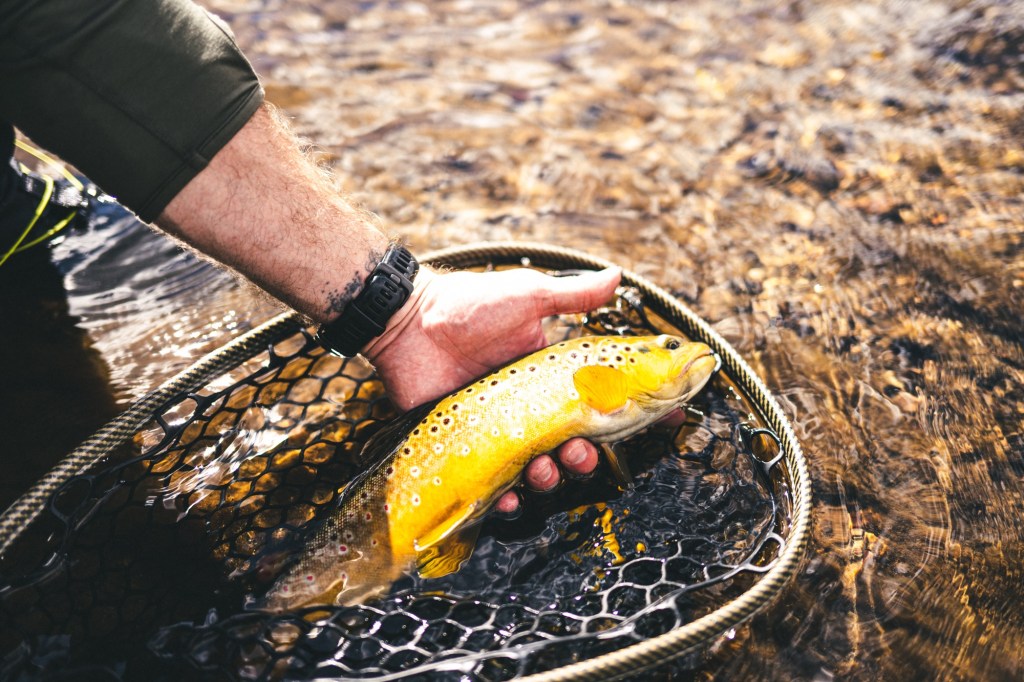
    I landed fish in those in-between hours, slipping casts between willows, the smell of wet sage still hanging in the air. It wasn’t just about catching trout—it was about resetting after the intensity of the stalks. Fishing gave me space to breathe, and every fish felt like a small reward for the grind of the hunt.

    Weather and Wide-Open Silence

    Out here, the weather feels alive. Thunderheads build on the horizon, and you know you’ve got an hour before the storm reaches you. The wind shifts, rattling the grass, and the temperature drops in an instant. When the rain passes, the world feels washed clean—the smell of damp earth, the shimmer of water on sage, the sky cracked open into endless blue.

    But it’s the silence that hits hardest. The kind you only notice after the wind dies, when the prairie holds its breath. I’d sit on a ridge, glassing, and realize how loud the quiet really was. No roads, no voices—just space. That solitude is something you don’t forget.

    Wildlife in Passing

    It wasn’t just pronghorn and trout that filled the trip. Mule deer appeared in the early mornings, their silhouettes sharp against the skyline. Hawks rode the thermals, and once, while crouched low in a drainage, I watched a badger shuffle across the dirt no more than twenty yards away. These encounters weren’t the focus, but they stitched the days together, reminders that the border country is alive in ways that don’t always revolve around your tag or your line.

    Comparing Adventures

    Compared to the high country trips I’ve taken, this one was its own beast. Backpacking deep into the San Juans demands endurance; chasing elk in dark timber demands grit. But the plains? They demand patience and humility. You don’t win with brute strength out here. You win—or learn—by slowing down, reading the land, and accepting that sometimes the antelope win.

    Advice for the Border Country Wanderer

    If you’re planning a multi-sport trip in remote country, a few takeaways from mine:

    Plan for weather swings: From sunburn to sideways rain in the same afternoon—pack layers, and never underestimate how fast storms can build. Balance your pursuits: Don’t treat fishing as an afterthought. Let it reset you between hunts. It makes both more rewarding. Accept the solitude: Out here, success isn’t just measured in filled tags or full nets. Sometimes the best takeaway is the quiet.

    Closing Thought

    I didn’t leave the border country with a pronghorn in the cooler. What I left with were stories of twelve stalks, brown trout caught in stained water, and hours of silence broken only by wind and distant thunder. It wasn’t about success in the usual sense—it was about being out there, testing myself, and learning from the land.

    What about you? Do you have a favorite memory where hunting and fishing crossed paths? Drop it in the comments—I’d love to hear your story.

  • The “Dual Purpose” Hunting & Fishing Kit: Gear for Doing Both in One Trip

    The “Dual Purpose” Hunting & Fishing Kit: Gear for Doing Both in One Trip

    The kind of trips I look forward to most aren’t the big, week-long backcountry hauls. Don’t get me wrong, those are incredible in their own way, but there’s something simple and satisfying about rolling out of town each morning in the Gladiator, bow case in the bed , rod tube rattling in the storage box, and a thermos of coffee riding shotgun.

    That’s the beauty of hunting and fishing the same country. Some mornings you’re glassing pronghorn on the flats. By the time the sun’s high and the animals have bedded, you can be knee-deep in a creek, throwing hoppers at brown trout. The trick is having your gear dialed so you’re not constantly unpacking, sorting, or realizing you left your waders back at home.

    This is where the “dual purpose” kit shines—a truck-based system that makes it easy to switch from one pursuit to the other.

    Why Truck-Based Makes Sense

    My pronghorn unit this season was only about 30–40 minutes outside of town. It wasn’t the type of hunt where I needed to haul camp miles into the backcountry. Each day I’d drive out in the dark, hunt through the morning, and then, depending on how things went, either keep after it or slide down into a drainage and fish until evening.

    That style of trip isn’t about ultralight gear or shaving ounces—it’s about organization and efficiency. With the Gladiator set up right, I can pivot between hunting and fishing without wasting time digging through a mess.

    Hunting Loadout: Grab and Go

    On the driver’s side of the bed rack sits one of my Roam 128L cases with the lid organizers, dedicated to hunting gear. It keeps everything sealed, dust-free, and ready:

    Weapon of Choice: Bow in a hard case. I use a Pelican hard case with the foam cut to fit my bow and stabilizers so I don’t worry about bumps on rough two-tracks. Day Pack: Already packed with knife, rangefinder, snacks, and water. Optics: Bino harness is basically on me at all times though these hunts. Spotter and tripod tuck into the case. Kill Kit: Small bag with game bags, replaceable-blade knife, paracord, and gloves. A cooler with ice waits in the Gladiator bed for when things go right.

    Most mornings I’d park along a dirt road, grab my pack and bow, and slip into the sage before first light. The world feels wide open then—sky turning pink over the plains, coyotes yipping in the distance, the Gladiator fading behind me as I hike in.

    Glasses up this unique wide buck pushing his herd in the morning.

    Fishing Loadout: Ready When the Hunt Pauses

    The passenger side Roam case holds the fishing gear, sealed up and dust-proof:

    Rod : A 4-piece 5-weight, in a rod tube so it doesn’t get crushed. Sling Pack: One fly box (dries, nymphs, streamers), 4x and 5x tippet, floatant, and nippers. Waders & Boots: Rolled and stashed in a mesh bag inside the case. On warm afternoons, I just wet-wade. Net: I like running a larger net to make missed scoops for fish a minimum.

    By late morning, if pronghorn weren’t cooperating, I’d be back at the Gladiator swapping camo for a sling pack. In less than 10 minutes, I’d be on the water, roll casting under willows or drifting a nymph through riffles.


    From bow case to rod tube—brown trout on the line by noon.

    The Overlap Gear

    Some things stay in the Gladiator full-time:

    Headlamp: In the center console, always charged. First Aid Kit: Cuts from broadheads and hooks don’t care which pursuit you were on. Rain Jacket: Rolled up behind the seat—because high plains storms roll in fast. Coolers: One for food and drinks, another for game quarters or trout if I keep a couple for the pan.

    That overlap gear is what keeps the system seamless—whether it’s a pre-dawn stalk or a late evening bite.

    A Day in the Life of the Dual Purpose Kit

    One day this season summed it all up. I was parked on a ridge at first light, watching a herd of pronghorn out beyond 600 yards. The wind wasn’t in my favor, and after two blown stalks, I eased back to the Gladiator by 10 a.m., sweaty, dusty, and a little frustrated.

    Instead of calling it quits, I popped open the fishing case, grabbed my rod tube and sling pack, and drove 15 minutes to a creek winding through a cottonwood draw. By noon, I was knee-deep in cold water, watching brown trout rise in the shade.

    The first fish came on a hopper pattern, a strong wild brown that darted under cutbanks and pulled harder than I expected. Sitting on the tailgate afterward, sandwich in hand, and waders in the sun, I couldn’t help but laugh. Two worlds in one day, both made possible by keeping the right gear squared away in the Gladiator.

    Final Thoughts

    The dual purpose kit isn’t about carrying more—it’s about carrying smart. With a little organization, your Gladiator becomes a rolling basecamp, with each Roam case dedicated to a pursuit and the overlap gear tying it all together.

    Next time you head out to hunt, slip the rod tube into its case. Pack a cooler with ice. Keep those storage cases squared away. You never know if the day’s story ends with a stalk on the flats or a brown trout tugging at the end of your line—but with the right setup, you’ll be ready for both.

    This post may contain affiliate links, which means I may earn a small commission at no extra cost to you. I only recommend gear I’ve tested and trust, and these commissions help support the blog.
  • Prepping for a High-Plains Archery Hunt

    Prepping for a High-Plains Archery Hunt

    There’s nothing subtle about the high plains. It’s big, open, windswept country that doesn’t give you much to work with. At first glance, it looks simple — wide sage flats, rolling breaks, grass that seems to stretch forever. Step out into it, though, and you realize just how deceiving it is. Distances double, cover disappears, and before long you’re sweating, breathing hard, and wondering why you didn’t pick a hunt in the timber instead.

    That’s exactly why I’m heading there. It’s tough, it’s raw, and it doesn’t hand out freebies. If you’re going to get a shot, you’re going to earn it.

    Conditioning

    The ground looks flat until you’re actually on it. Then it feels like a treadmill set on “forever.” You spot an animal that looks a half-mile away, and two miles later you’re still pushing, legs burning, lungs working, and your brain doing the math on how much water you have left.

    To prep, I’ve been throwing a weighted pack on and putting in the miles. Not glamorous, but it’s better than realizing on day two that my legs don’t want to play anymore. My goal is simple: when the chance finally comes, I don’t want to be doubled over sucking air.

    Shooting Practice

    If there’s one guarantee, it’s that the shot will not be perfect. Odds are, I’ll be kneeling on a cactus, the wind will be doing laps around me, and my heart will be pounding from a mad dash to close the gap. That’s the high plains way.

    So my practice has been about making the ugly shots feel normal. Longer distances, awkward angles, and plenty of arrows when the conditions aren’t ideal. If I can feel steady when things are sloppy, I’ll be ready when it counts.

    Mindset

    This is the section where most people would say “stay positive.” But let’s be real: high-plains hunting isn’t exactly designed to keep your spirits up. You’ll blow stalks. The animals will pick you off like they’ve got binoculars of their own. The wind will betray you right when you think you’ve got it made.

    And that’s fine. I know going in I’ll fail more than I’ll succeed. The trick is being stubborn enough to laugh it off and go again. Every busted stalk is just practice for the one that works.

    Why It Matters

    I don’t come out here for comfort. If I wanted that, I’d stay home where the weather doesn’t flip from blazing sun to sideways rain in five minutes. Out here, the wind stings, the sun bakes, and when a thunderstorm rolls in, you get soaked to the bone before you can even pull a rain jacket on. And weirdly enough, that’s part of the fun.

    The plains have a way of humbling you, but also giving you stories you wouldn’t trade. Like the time you belly-crawled through cactus for nothing, or sat under a yucca during a lightning show wondering if you’d just made a very bad life decision. It’s miserable in the moment, but it’s the stuff you laugh about later.

    That’s why I keep coming back. The grind, the blown stalks, the weather that doesn’t play fair — it’s all part of the story. When it finally does come together, it’s not just about the shot. It’s about the miles, the mistakes, and the madness it took to get there.

    The hunt hasn’t started yet, but the work already has.

  • Best Gear for Fishing in Heavy Rain: My Top Picks

    Best Gear for Fishing in Heavy Rain: My Top Picks

    Some gear failed. Some gear thrived. And one piece surprised me completely.

    I was standing mid-stream with rain hammering my hood, fly line sagging under the weight of water, and graupel stinging my knuckles like a handful of gravel. The creek had been running low, but every fresh round of rain bumped it just enough to turn the water stained—a curse for hiking but a blessing for fishing. Each squall carried a slim chance the trout might finally look up. Fishing in those conditions is stubborn work—you’re not out there because it’s easy, you’re out there because you came to fish, and the weather doesn’t get a vote.

    That was Elk Creek. Five straight days of random downpours, sleet squalls, and miles of wet trail. Nothing stayed dry. Not boots, not packs, not me. And that’s when you find out which pieces of gear matter. Some of mine faltered. But a handful? They carried me through the storm and made the difference between misery and actually enjoying those fleeting moments when the clouds cracked and the water came alive.

    Here are the five standouts that survived the rain, the mud, and the miles.

    Top 5 Pieces of Gear

    1. Argali Talus Tarp

    The MVP of the trip. Light, quick to pitch, and bomber in the rain. With constant drizzle, it gave me a dry space to cook, re-pack, and just breathe outside the tent. No pinholes, no sagging, and no wrestling with complicated guy lines when my patience was already soaked. When you’re running low on energy, having a tarp that just works without fuss is gold.

    2. Nemo Men’s Disco 15° Sleeping Bag

    Sliding into a sleeping bag after a day in the rain can feel like crossing into another world—if that bag actually holds up. The Disco didn’t just keep me warm—it stayed warm. Even after four nights of condensation dripping inside the tent, it never lost loft, never got that clammy chill. I’ll admit, I didn’t expect it to perform this well under constant moisture. It became the one guaranteed comfort at the end of every soaked, cold day.

    3. Marsupial Gear Multi Pack

    This pack was a workhorse. Everything I needed—map, snacks, headlamp, fly fishing gear—was right there, accessible and dry. The fabric shed rain better than my pack’s lid, and the organization made it easy to keep moving instead of stopping every half mile to rummage. The attachment points on the sides held my bear spray and Garmin InReach exactly where I needed them—secure but quick to grab. In the backcountry, that kind of accessibility isn’t a bonus, it’s essential.

    4. Nitecore NB10000 Battery

    Electronics are usually the first thing to give me anxiety on long, wet trips. Dead headlamp? Dead InReach? That’s trouble. But this little ultralight battery just kept going. I charged my phone, my headlamp, and my InReach, and somehow it still had juice left at the end of the trip. At under 6 ounces, it punches way above its weight. Quiet, reliable, and one of those pieces you don’t think about until you realize how much worse the trip would’ve been without it.

    5. Chaco Ramble Puff Camo Shoes

    These started as a luxury item—something to slip on around camp. But after peeling off waterlogged boots at the end of each day, the Ramble Puffs became a necessity. Warm, cushy, and quick-drying, they were the morale boost I didn’t know I’d need. They turned “miserable camp shuffle” into “I can actually relax for a few minutes.” That mental reset was as important as the physical comfort.

    Lessons from the Storm

    Durability vs. Weight: I usually lean ultralight, but Elk Creek was a reminder—cutting ounces means nothing if your gear can’t hold up to a beating. The tarp and multi pack hit that rare sweet spot of tough and light. Small Hacks Help: Drying out soaked shoes and socks by the fire, rotating wet gear under the tarp, and keeping a designated “dry bag” of essentials were the small moves that made a big difference. Little habits like this kept the trip manageable instead of miserable.

    Final Takeaway

    Bad weather doesn’t lie. It strips your kit down to the truth. Weak gear gets exposed fast, while solid pieces quietly prove themselves. At Elk Creek, these five items pulled more than their weight and reminded me why testing gear in the worst conditions matters.

    The rain might have made fishing tough, but the gear made sure I was still in the fight.

    Now I’m curious—what piece of gear has surprised you most in the backcountry, for better or worse? Drop it in the comments.

    This post may contain affiliate links, which means I may earn a small commission at no extra cost to you. I only recommend gear I’ve tested and trust, and these commissions help support the blog.
  • The White Duck Canvas 13’ Regatta Bell Tent: A Reliable Base Camp for Extended Adventures

    The White Duck Canvas 13’ Regatta Bell Tent: A Reliable Base Camp for Extended Adventures

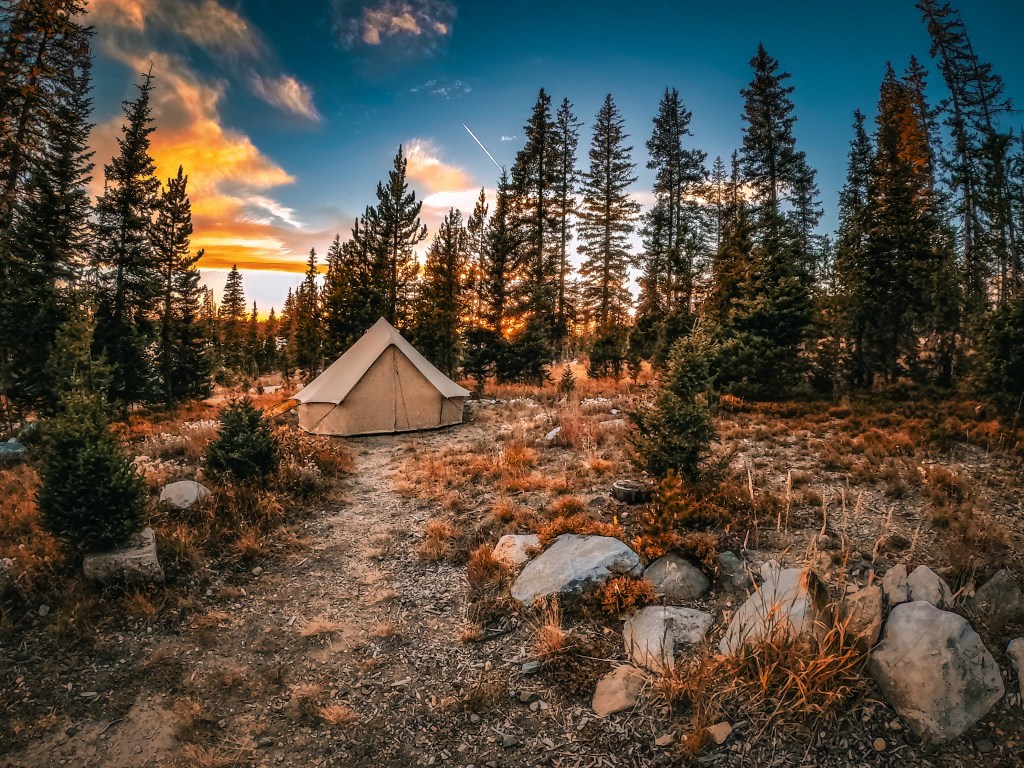
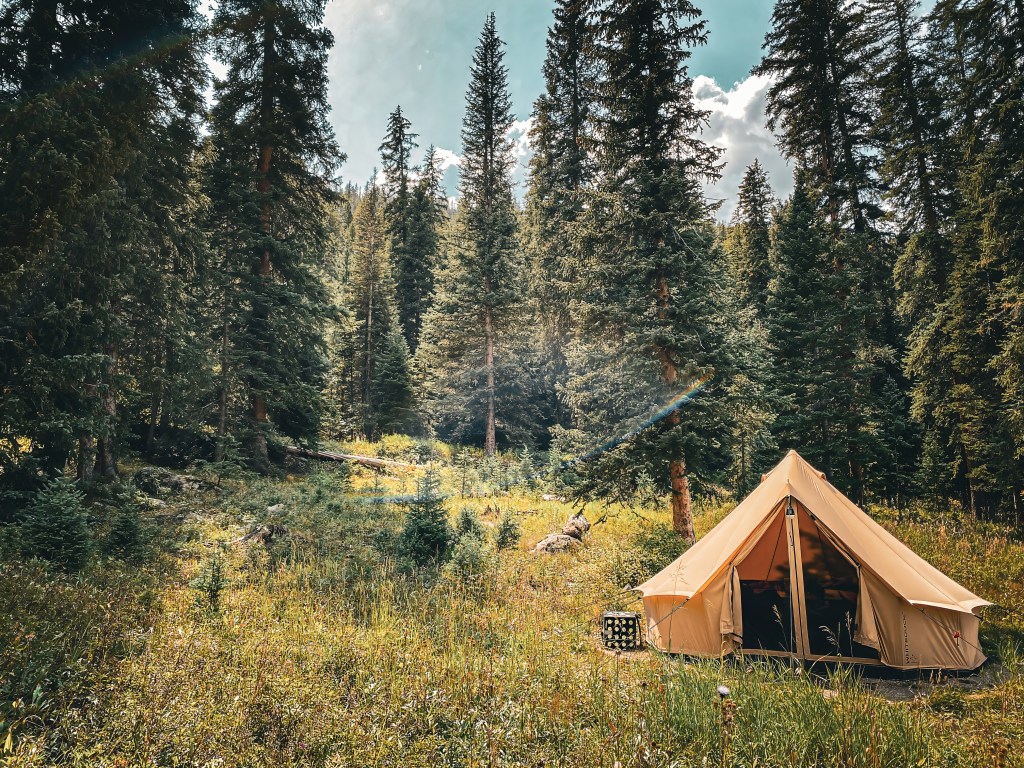
    When it comes to setting up a comfortable and dependable base camp for multi-day hunting, fishing, or camping trips in Colorado, the White Duck Canvas 13’ Regatta Bell Tent has proven itself to be a game-changer. Having used this tent on extended outings ranging from 5 to 12 days, I can confidently say it blends durability, weather resistance, and livability into one well-designed shelter.

    Spacious and Comfortable for Long Stays

    One of the standout features of the Regatta Bell Tent is its spacious interior. With a 13-foot diameter and a peak height of 8 feet, it easily accommodates multiple cots, a wood stove(option available) and gear without feeling cramped. The circular design maximizes usable space, making it easy to set up a well-organized camp, whether you’re solo or sharing it with a hunting or fishing partner. We typically run a Coleman Cot on either side of the center pole so we each have our side of the tent for gear, clothes and camp chair. There is enough room at the front of the tent that we place two camp chairs and a camp table to play games on or eat dinner on if the weather is bad.

    The 100% army duck canvas is thick and breathable, providing excellent insulation against Colorado’s unpredictable weather. In warmer months, the multiple mesh windows and a large A-frame door offer plenty of ventilation, preventing condensation buildup. In colder conditions, the stove jack option allows for a wood-burning stove, turning the tent into a warm and cozy retreat even when temperatures drop below freezing.

    Built for Tough Colorado Weather

    Colorado’s backcountry is known for its rapidly changing weather—sunshine one moment and a snowstorm the next. The waterproof and mold-resistant canvas material ensures that rain and snow stay out while maintaining breathability. I’ve used this tent through heavy rain, snow, and high winds, and it has held up impressively well. The reinforced guy lines and sturdy center pole add to its resilience, keeping it stable even in strong gusts.

    Easy Setup and Portability

    Despite its size, the White Duck Regatta Bell Tent is surprisingly easy to set up. With just one person, it takes around 20-30 minutes to pitch, thanks to the single-pole structure. The included groundsheet is heavy-duty and zips in securely, adding an extra layer of protection from moisture and critters. We have also added a 13’ bell tent mat on the interior for additional insulation in cold weather and it feels better than walking on the tent floor on hard packed ground.

    When packed down, it fits into a manageable carry bag. While it’s not an ultralight tent, it’s perfect for vehicle-based expeditions where weight isn’t a major concern. For extended trips, the durability and comfort far outweigh any drawbacks of its packed size.

    Perfect for a Long-Term Base Camp

    Whether you’re fly fishing remote alpine lakes, hunting in the backcountry, or just setting up a comfortable retreat in the mountains, this tent serves as an excellent base camp. It provides a solid, weatherproof, and spacious home away from home, allowing you to focus on the adventure instead of worrying about shelter.

    Final Verdict

    The White Duck Canvas 13’ Regatta Bell Tent has earned its place as my go-to tent for long trips in Colorado. Its rugged build, comfortable interior, and ability to withstand extreme conditions make it an invaluable piece of gear. If you’re looking for a long-term shelter that can handle everything from autumn hunting trips to winter camping, this bell tent is well worth the investment.

    Have you used the Regatta Bell Tent in the wild? Drop a comment and share your experience!