Summit and Stream


Author: Jacob

  • 10 Things You Don’t Need in Fly Fishing

    10 Things You Don’t Need in Fly Fishing

    Cut the clutter and get back to what really matters on the water.

    Fly fishing has a reputation for being gear-heavy and intimidating, but the truth is, most of what you think you need… you don’t. Here’s a no-nonsense list from the Colorado backcountry to help you lighten your load, simplify your kit, and actually enjoy your time on the water.

    1. A $1,000 Fly Rod

    Sure, high-end rods feel great—but a solid $200 rod will cast dries, nymphs, and streamers just fine. Save the rest of your budget for road trips, camp coffee, or a few flies you’ll actually lose in the willows.

    2. Matching Brand Everything

    Trout don’t care if your gear is all from the same brand. Mixing Orvis, Redington, and Simms doesn’t make you a heretic—it makes you practical.

    3. A Vest With 30 Pockets

    If you’re digging through more compartments than a tactical ops bag, you’ve gone too far. Streamline your loadout. Fish more, fumble less.

    4. A Fly for Every Species on Earth

    You don’t need 300 flies to fish a freestone stream. Learn what hatches locally and carry the proven patterns. A well-stocked fly box isn’t about volume—it’s about confidence.

    5. Waders in July

    Wet wading in the summer is liberating. You’ll stay cooler, move better, and your gear will smell less like a biology experiment.

    6. Fancy Knot-Tying Tools

    Learn a few basic knots (improved clinch, surgeon’s, loop knot), and you’re set. Leave the gimmicks at home unless you really love dropping things in the river.

    7. Strike Indicators the Size of Golf Balls

    You’re trying to catch trout, not alert satellites. Oversized indicators spook fish and slap the water like a brick. Keep it subtle, or better yet, learn to tight-line nymph—no bobber needed.

    8. A Reel With a Drag System That Could Stop a Freight Train

    Most trout don’t run into your backing. Your reel is mainly there to hold line. A simple click-and-pawl reel will do the job beautifully—and make your buddies nostalgic.

    9. Instagram-Worthy Gear Layouts

    You don’t need your net framed by wildflowers and an enamel mug to prove you’re a “real” angler. Fish don’t care about aesthetics. The river doesn’t either.

    10. A Guru-Level Cast

    You don’t need to bomb 60-foot casts with perfect loops. If you can gently lay a fly down 25 feet away and mend your line, you’re already better than most.

    Final Thoughts

    Fly fishing is about connection—to nature, to simplicity, to rhythm. The less junk you haul out there, the more you tune in to what matters. Ditch the extras. Trust your instincts. And remember: a good day on the water isn’t measured in gear, it’s measured in moments.

    Want to see our minimalist fly setup or share what you leave behind on the river? Drop a comment or follow along at Summit and Stream Adventures.

  • Backcountry Fly Fishing Tips for Colorado Adventurers

    Backcountry Fly Fishing Tips for Colorado Adventurers

    Backcountry Fly Fishing in Colorado: A Hardcore Angler’s Paradise

    Fly fishing in Colorado is already world-class. But if you really want to get away from the crowds, find untouched waters, and catch wild fish that rarely see a fly, you head into the backcountry. That’s where Colorado turns into a paradise for anglers who are willing to put in the work. If you’re up for hiking, camping, and navigating remote terrain, backcountry fly fishing in Colorado offers solitude, adventure, and some of the most rewarding fishing you’ll ever experience.

    Here’s what you need to know to do it right.

    Why Go Backcountry?

    Let’s get one thing straight: this isn’t about catching the biggest fish. It’s about experience. Hiking into remote alpine lakes or headwater streams, setting up camp miles from the nearest road, and casting to wild trout in gin-clear water—that’s what it’s about.

    Here’s what you get in the backcountry:

    Unpressured fish: These trout don’t see many anglers. They’re wild, aggressive, and more likely to hit a well-presented fly. Solitude: You’re not shoulder-to-shoulder with other anglers. Often, you won’t see another soul. Stunning scenery: Think jagged peaks, alpine meadows, glacial lakes, and clear-flowing creeks. Adventure: This isn’t a grab-your-rod-and-go spot. You’re earning it with sweat and effort.

    If you’re looking for an Instagram-friendly lodge and a hot meal at the end of the day, this isn’t it. If you’re looking for peace, challenge, and pure fishing, keep reading.

    When to Go

    The Colorado high country doesn’t open up until late spring or early summer. Snow lingers in the mountains, and access roads and trails often remain impassable until mid-June. In general:

    Best time: Late June to mid-September Early season (June/early July): Expect snowmelt, high flows, and cold temps. Peak season (late July to August): Stable weather, good insect hatches, prime fishing. Late season (September): Crisp days, fewer bugs, spooky fish, changing leaves.

    Plan around the snowpack and monsoon season. Afternoon thunderstorms are common in July and August, especially above treeline, so start your hikes early and always keep an eye on the weather.

    Where to Go: Top Backcountry Fly Fishing Destinations in Colorado

    Backcountry fishing means getting beyond the trailhead. Some of these places take hours of hiking. Others require multi-day backpacking trips. All are worth it.

    1. Indian Peaks Wilderness

    Location: Just west of Boulder Target species: Cutthroat, brook trout, rainbow Why it’s great: Dozens of alpine lakes and headwater streams within a few hours of Denver. Trails are well-maintained. Popular with hikers but easy to find solitude with a bit of effort. Top spots: Upper Coney Lake, Jasper Lake, Buchanan Pass area

    2. Holy Cross Wilderness

    Location: Near Vail and Leadville Target species: Native cutthroat, brook trout Why it’s great: Remote, scenic, and packed with small lakes teeming with trout. Good multi-day loop options. Top spots: Tuhare Lakes, Fancy Lake, Missouri Lakes Basin

    3. Flat Tops Wilderness

    Location: Northwest Colorado Target species: Colorado River cutthroat, brook trout Why it’s great: The heart of Colorado’s backcountry fishing. Endless creeks and lakes, with miles of trail access. Less crowded than Front Range options. Top spots: Trappers Lake (base camp), Derby Creek, Little Trappers Lake

    4. Weminuche Wilderness

    Location: San Juan Mountains, southern Colorado Target species: Rio Grande cutthroat, brook trout, rainbow Why it’s great: Colorado’s largest wilderness area. Big elevation, big views, and remote fishing. Top spots: Vallecito Creek, Needle Creek, Chicago Basin

    5. Rocky Mountain National Park (RMNP)

    Location: North-central Colorado Target species: Greenback cutthroat (native), brook trout Why it’s great: RMNP is home to some of the most scenic backcountry fishing in the state. Greenback cutthroat restoration has brought new life to these waters. Top spots: Thunder Lake, Fern Lake, upper sections of the Big Thompson

    What You’ll Need: Backcountry Fly Fishing Gear Checklist

    You’re combining backpacking with fly fishing, which means weight and simplicity matter. Here’s a gear list broken down into essentials:

    Fishing Gear

    Fly rod: 3–5 wt, 8–9 ft. A 4-piece rod is easiest to pack. Reel: Lightweight, with a smooth drag. Nothing fancy needed. Line: Weight-forward floating line. Leader & tippet: 5X or 6X works fine for small alpine trout. Flies: Dries: Parachute Adams, Elk Hair Caddis, Royal Wulff, Ants, Hoppers. Nymphs: Hare’s Ear, Pheasant Tail, Copper John Streamers: Woolly Bugger (black or olive) Accessories: Nippers, hemostats, floatant, fly box, small net (optional), polarized sunglasses

    Backpacking Gear

    Pack: 45-65L pack depending on trip length Tent: Lightweight 1- or 2-person tent Sleep system: 20–30°F sleeping bag + sleeping pad. Stove: Canister stove (Jetboil or similar) Water: Filter or purifier (don’t skip this) Food: Lightweight, high-calorie meals (dehydrated meals work great) Clothes: Layers, rain shell, warm hat, gloves Footwear: Waterproof hiking boots; optional lightweight sandals for wet wading Other: Map, compass/GPS, first-aid kit, headlamp, sunscreen, bear hang or canister

    If you’re fishing lakes and small streams, you can usually wet wade. But in colder months or higher elevations, pack breathable waders and lightweight boots if you need them.

    Tips for Success in the Backcountry

    1. Hike smart, fish smarter

    Get an early start to avoid storms. Fish early or late in the day when the trout are active. Midday sun often shuts them down.

    2. Pack light, think smart

    Every ounce counts. Multi-use gear is your friend. You don’t need a dozen fly boxes—just a small selection of proven patterns.

    3. Know the regulations

    Many backcountry areas are catch-and-release only. Some have fly-and-lure-only rules. Others are part of native trout recovery zones. Check with Colorado Parks & Wildlife or local forest service offices.

    4. Respect the fish and the land

    Keep fish wet. Don’t trample spawning beds. Pack out what you pack in. These places are wild and fragile.

    5. Don’t underestimate the wild

    Weather shifts fast. Wildlife is out there. Always tell someone where you’re going and carry a map or GPS. Backcountry fly fishing isn’t just about the fish—it’s survival, too.

    Planning a Trip: Logistics and Strategy

    Access: Many trailheads are down dirt roads that may require 4WD or high clearance. Always check road conditions and bring paper maps—cell service disappears fast.

    Permits: Most wilderness areas don’t require permits for small groups, but always double-check. Some high-use areas have overnight restrictions.

    Time: You can do some of these lakes and streams as day hikes, but the best experiences usually come from staying a night or two.

    Route planning: Use tools like CalTopo, AllTrails, or Gaia GPS to plan routes, measure mileage, and check elevation gain. Remember: 5 miles on a map can feel like 10 with a full pack at 11,000 feet.

    A Sample 3-Day Itinerary: Indian Peaks Wilderness

    Day 1

    Drive to Monarch Lake trailhead Hike 5.5 miles to Crater Lake Set up camp, fish the lake for aggressive brookies and cutthroat

    Day 2

    Day hike to Mirror Lake and Pawnee Pass Fish high alpine lakes and streams Return to camp for sunset and maybe a last cast

    Day 3

    Early morning fishing session Break camp and hike out Beer and burger in Nederland

    Final Thoughts

    Backcountry fly fishing in Colorado isn’t for everyone. It takes work. It takes time. It takes a little bit of suffering.

    But if you’re willing to earn it, there’s nothing like it.

    You’ll catch wild fish in wild places. You’ll find silence, stars, and a connection to nature that’s getting harder to find in the modern world. And you’ll come back with stories worth telling—not just of fish caught, but of places explored and challenges met.

    So grab your rod, lace up your boots, and get out there.

    The backcountry’s waiting.

    This post may contain affiliate links, which means I may earn a small commission at no extra cost to you. I only recommend gear I’ve tested and trust, and these commissions help support the blog.
  • The Mental Benefits of Fly Fishing: Finding Peace on the Water

    The Mental Benefits of Fly Fishing: Finding Peace on the Water

    Fly fishing is more than just a way to catch fish—it’s a form of therapy. For many anglers, stepping into a cold mountain stream and casting a line isn’t just about the pursuit of trout; it’s about disconnecting from the chaos of everyday life and reconnecting with nature. The mental health benefits of fly fishing are profound, offering a sense of calm, focus, and fulfillment that few other activities can match.

    1. The Power of Presence

    Fly fishing demands focus. From reading the water and selecting the right fly to perfecting the cast and detecting subtle strikes, the sport requires complete attention. This level of engagement naturally pushes out distractions, quieting the mind in a way that’s similar to meditation. When you’re fully present in the moment, stress and anxiety fade into the background, replaced by a sense of peace and clarity.

    2. The Stress-Relieving Effect of Nature

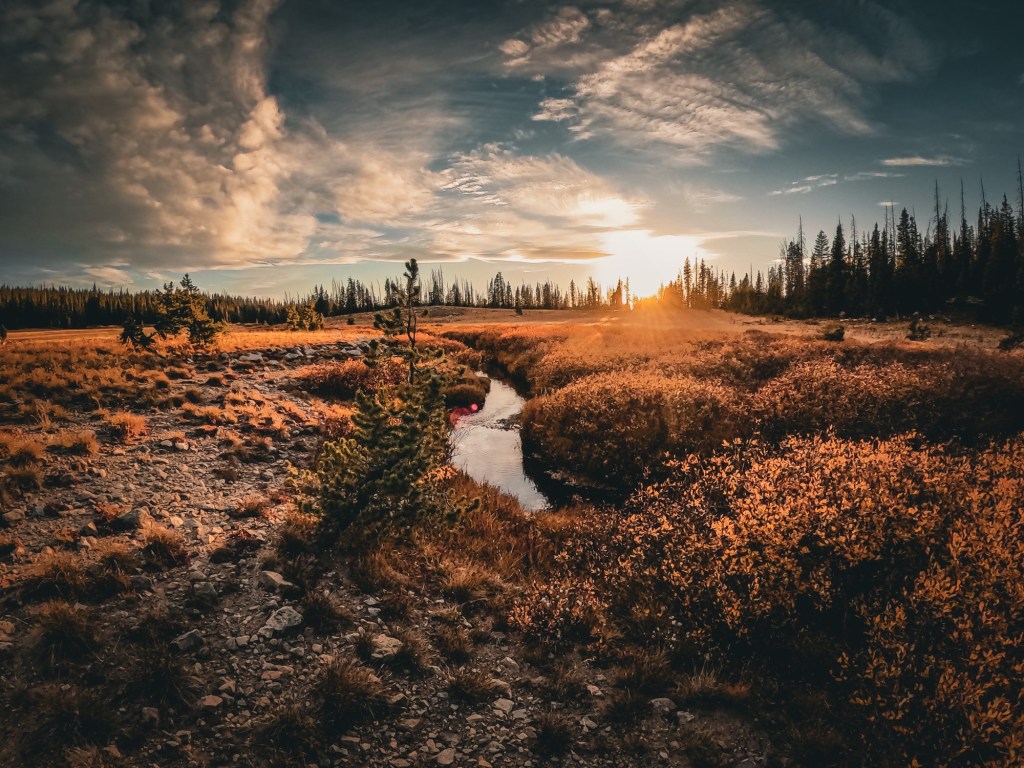
    Studies have shown that spending time in nature reduces cortisol levels and promotes mental well-being. The rhythmic sounds of a river, the rustling of trees, and the sight of a rising trout create a sensory experience that soothes the mind. Fly fishing immerses anglers in some of the most beautiful and remote places in the world, offering a break from the constant noise of modern life.

    3. A Meditative Flow State

    There’s a certain rhythm to fly fishing—the back-and-forth motion of the cast, the gentle mend of the line, the patience of waiting for a strike. This repetitive motion and deep focus can induce a “flow state,” a psychological condition where time seems to slow down, and the mind is completely absorbed in the task. Flow states are linked to increased happiness and reduced stress, making fly fishing a natural way to achieve mental clarity.

    4. A Sense of Accomplishment and Confidence

    Success in fly fishing—whether it’s landing a fish, mastering a new casting technique, or simply learning to read the water—builds confidence. Even on slow days, problem-solving and adapting to conditions create a sense of achievement. That feeling of accomplishment carries over into other aspects of life, reinforcing resilience and a positive mindset.

    5. Social Connection and Camaraderie

    While fly fishing can be a solitary pursuit, it also fosters a strong sense of community. Sharing the water with friends, exchanging stories about the one that got away, or mentoring a beginner can all provide meaningful social interactions. These connections help combat feelings of isolation and strengthen mental well-being.

    6. A Natural Antidote to Digital Overload

    In an age where screens dominate our attention, fly fishing offers a much-needed escape. With no cell service on a remote river and no need for notifications, the experience forces anglers to unplug and engage with the real world. That break from technology allows the brain to reset, reducing mental fatigue and improving overall mood.

    Final Thoughts

    Fly fishing is more than just a hobby—it’s a mental reset, a form of meditation, and a way to reconnect with both nature and oneself. Whether you’re standing knee-deep in a rushing river or casting to rising trout on a stillwater lake, the benefits extend far beyond the catch. The next time life feels overwhelming, grab your fly rod, head to the water, and let the river do its work.

  • The White Duck Canvas 13’ Regatta Bell Tent: A Reliable Base Camp for Extended Adventures

    The White Duck Canvas 13’ Regatta Bell Tent: A Reliable Base Camp for Extended Adventures

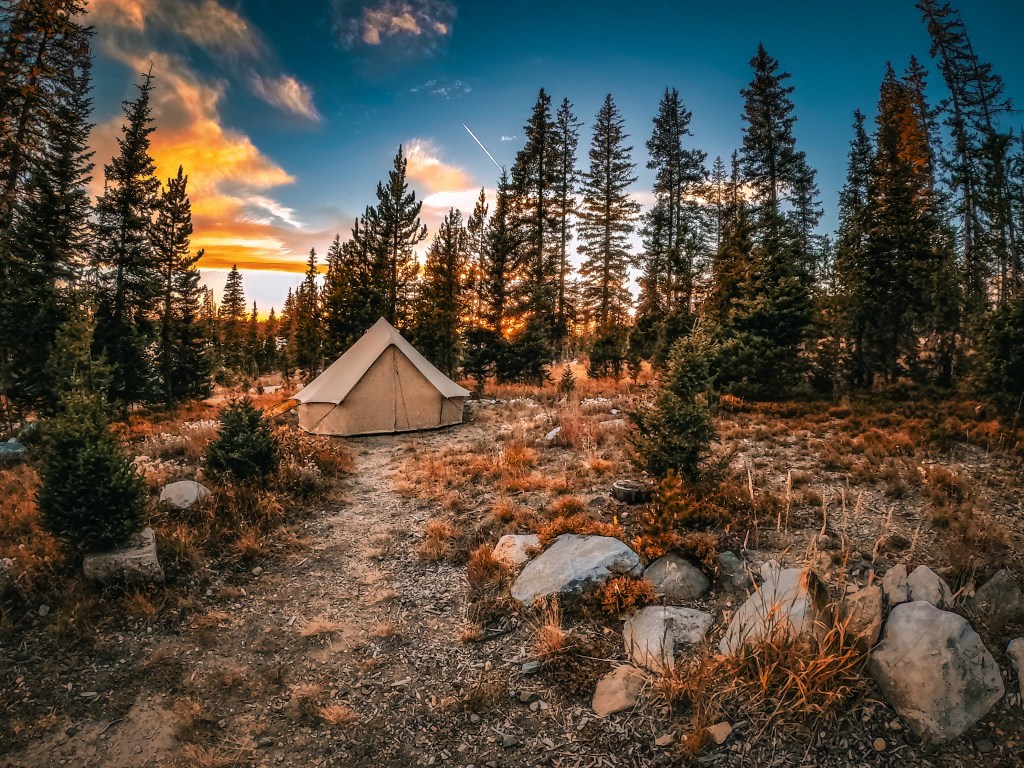
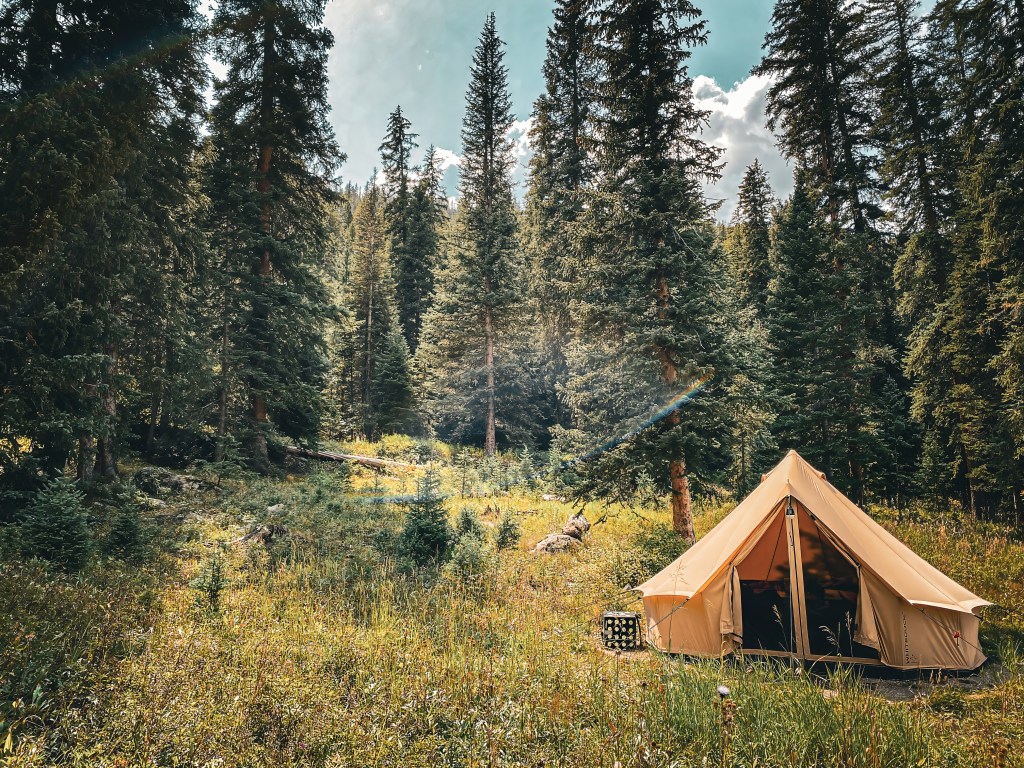
    When it comes to setting up a comfortable and dependable base camp for multi-day hunting, fishing, or camping trips in Colorado, the White Duck Canvas 13’ Regatta Bell Tent has proven itself to be a game-changer. Having used this tent on extended outings ranging from 5 to 12 days, I can confidently say it blends durability, weather resistance, and livability into one well-designed shelter.

    Spacious and Comfortable for Long Stays

    One of the standout features of the Regatta Bell Tent is its spacious interior. With a 13-foot diameter and a peak height of 8 feet, it easily accommodates multiple cots, a wood stove(option available) and gear without feeling cramped. The circular design maximizes usable space, making it easy to set up a well-organized camp, whether you’re solo or sharing it with a hunting or fishing partner. We typically run a Coleman Cot on either side of the center pole so we each have our side of the tent for gear, clothes and camp chair. There is enough room at the front of the tent that we place two camp chairs and a camp table to play games on or eat dinner on if the weather is bad.

    The 100% army duck canvas is thick and breathable, providing excellent insulation against Colorado’s unpredictable weather. In warmer months, the multiple mesh windows and a large A-frame door offer plenty of ventilation, preventing condensation buildup. In colder conditions, the stove jack option allows for a wood-burning stove, turning the tent into a warm and cozy retreat even when temperatures drop below freezing.

    Built for Tough Colorado Weather

    Colorado’s backcountry is known for its rapidly changing weather—sunshine one moment and a snowstorm the next. The waterproof and mold-resistant canvas material ensures that rain and snow stay out while maintaining breathability. I’ve used this tent through heavy rain, snow, and high winds, and it has held up impressively well. The reinforced guy lines and sturdy center pole add to its resilience, keeping it stable even in strong gusts.

    Easy Setup and Portability

    Despite its size, the White Duck Regatta Bell Tent is surprisingly easy to set up. With just one person, it takes around 20-30 minutes to pitch, thanks to the single-pole structure. The included groundsheet is heavy-duty and zips in securely, adding an extra layer of protection from moisture and critters. We have also added a 13’ bell tent mat on the interior for additional insulation in cold weather and it feels better than walking on the tent floor on hard packed ground.

    When packed down, it fits into a manageable carry bag. While it’s not an ultralight tent, it’s perfect for vehicle-based expeditions where weight isn’t a major concern. For extended trips, the durability and comfort far outweigh any drawbacks of its packed size.

    Perfect for a Long-Term Base Camp

    Whether you’re fly fishing remote alpine lakes, hunting in the backcountry, or just setting up a comfortable retreat in the mountains, this tent serves as an excellent base camp. It provides a solid, weatherproof, and spacious home away from home, allowing you to focus on the adventure instead of worrying about shelter.

    Final Verdict

    The White Duck Canvas 13’ Regatta Bell Tent has earned its place as my go-to tent for long trips in Colorado. Its rugged build, comfortable interior, and ability to withstand extreme conditions make it an invaluable piece of gear. If you’re looking for a long-term shelter that can handle everything from autumn hunting trips to winter camping, this bell tent is well worth the investment.

    Have you used the Regatta Bell Tent in the wild? Drop a comment and share your experience!