Summit and Stream


Tag: Bowhunting

  • Replacing Bowstrings Without Ruining Your Tune

    Replacing Bowstrings Without Ruining Your Tune

    Replacing your bowstrings is one of the most important maintenance steps for consistent accuracy—but it’s also where a lot of shooters accidentally undo a perfectly good tune. The goal isn’t just new strings. It’s maintaining factory specs and minimizing adjustments after the swap.

    Here’s how to do it right—and the gear that makes it simple.

    When to Replace Your Bowstrings

    Bowstrings wear out long before they fail. Replace them when you notice:

    • Fraying strands or fuzzy spots near the cams

    • Loose, separating, or glazed serving

    • Peep rotation that won’t settle after break-in

    • Inconsistent groups or unexplained noise

    • Loss of speed or draw consistency

    Most bow manufacturers recommend replacing strings and cables every 12–24 months, depending on shooting volume and storage conditions.

    Common Mistakes That Kill Your Tune

    These mistakes force unnecessary retuning:

    • Removing old strings without counting twists

    • Installing strings that aren’t built to exact factory length

    • Skipping measurements like axle-to-axle and brace height

    • Twisting strings randomly to fix peep rotation

    • Shooting without confirming cam timing or sync

    The fix is simple: measure everything before you touch the bow and match it after installation.

    What to Reset After a String Change

    If your strings are built correctly, you only need minor adjustments:

    • Peep alignment after 50–100 shots

    • D-loop position to confirm it hasn’t crept

    • Cam timing/synchronization, especially on dual-cam bows

    • Paper tune confirmation to verify arrow flight

    If your rest and nock point were tuned before, leave them alone unless paper says otherwise.

    Keep Your Old Strings as a Backup (Seriously)

    If your old strings are still in safe, usable condition, don’t throw them away.

    Instead:

    • Leave the peep sight tied in

    • Keep the same twist count

    • Store them labeled in a sealed bag

    Why this matters:

    If something goes wrong with a new string set right before hunting season—peep won’t settle, serving slips, or timing issues—you can reinstall your old strings and be back to your known tune in minutes, not days.

    This backup set has saved more hunts than people like to admit.

    Pro tip: Mark the bag with bow model, draw length, and peep height so there’s zero guesswork under pressure.

    If you’re replacing bowstrings soon—or plan to—don’t guess and don’t cut corners. Measure everything, keep a backup set, and use tools that make the job repeatable.

    Check out the gear list below so you’re ready before you put your bow in the press—and not scrambling when season is a week away.

    Gear Checklist 

    These are the tools that prevent mistakes and save time. If you’re doing your own string work, this is the setup I recommend:

    • Replacement Bowstrings – Built to factory specs for your bow model – Gas Ghost XV Bowstrings

    • Serving Tool – For tight, clean center serving and D-loop wraps – October Mountain Serving Jig

    • Peep Sight – Designed to minimize rotation during break-in – Hamskea Raptor Peep

    • Bow Press – Required for safe string and cable replacement – Last Chance Bow Press

    • Digital Calipers or Tape Measure – To confirm axle-to-axle and brace height – Fowler Digital Caliper

    • D-Loop Material – Fresh material to avoid slippage – BCY D Loop Material

    • Bow Square – For checking nock height and loop position – October Mountain Bow Square

    Easton D Loop Pliers

    I’ve linked the exact tools I use and trust below so you can set your bow up correctly the first time.

    This post may contain affiliate links, which means I may earn a small commission at no extra cost to you. I only recommend gear I’ve tested and trust, and these commissions help support the blog.

  • Winter Is Where My Archery Season Actually Starts

    Winter Is Where My Archery Season Actually Starts

    By the time most people put their bows in the case for winter, I’m tearing mine apart.

    No tags.

    No crowds.

    No pressure to be good today.

    Just cold air, an empty range, and the kind of quiet that makes bad habits impossible to ignore.

    This is the season that doesn’t show up in highlight reels — and it’s exactly where my confidence for fall gets built.

    Starting Over on Purpose

    The first thing I do every winter is strip the bow down and reset everything that drifted during the season.

    This year that started with new strings and cables. I went with Gas Ghost XV bowstrings in camo. The color matches my setup well, but the real reason is consistency. When you replace strings, you erase every old reference point — and that’s the point.

    New strings mean:

    • Cam timing from scratch

    • Peep height reset

    • Sight marks gone

    • No more “it was close last year”

    Every arrow after this tells the truth.

    Gear I’m Running

    • Gas Ghost XV Bowstrings (Camo)

    • Installed and stretched before re-sighting

    • Chosen for consistency and long-term stability

    One Arrow for Everything

    Last season I ran a heavier arrow with a higher GPI and a total weight of 564 grains. It hit hard, but it punished small mistakes — especially past 40 yards.

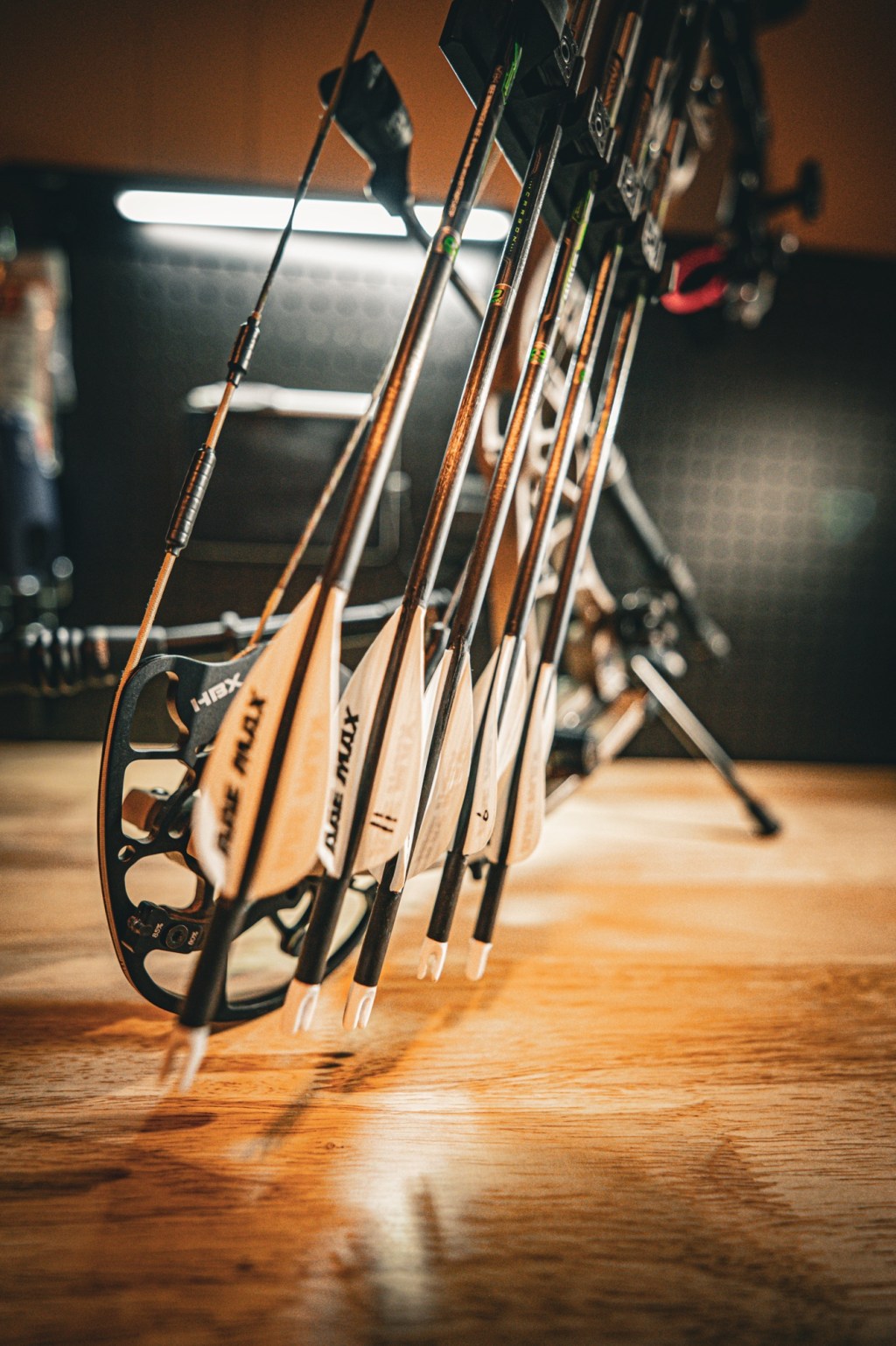
    This winter I switched to Easton 4mm Long Range arrows, finishing at 474.8 grains total arrow weight.

    The difference was immediate:

    • Noticeable speed gain

    • Flatter trajectory

    • Tighter gaps at distance

    More importantly, this is now my one arrow setup:

    • Indoor

    • 3D

    • Hunting

    No swapping arrows. No second guessing tune. No excuses.

    Arrow Setup

    • Easton 4mm Long Range Shafts

    • 474.8 gr total arrow weight

    • Tuned once, used everywhere

    One arrow. One system. That matters more than chasing perfection.

    Stabilization That Actually Helps

    The biggest improvement this year didn’t come from speed — it came from control.

    I added Shrewd Trak stabilizers, running a 15” bar up front and a 12” bar in the rear. The first few shots told the whole story.

    The pin didn’t stop moving — it just stopped fighting me.

    The bow settles.

    The float tightens.

    The jump on release disappears.

    That’s when you realize how much energy you were spending managing your bow instead of executing your shot.

    Stabilizer Setup

    • Shrewd Trak Stabilizer System

    • 15” front / 12” rear

    • Tuned for balance, not weight

    This is gear that earns its place because it lets you focus on form — not because it looks good online.

    The Bow, for Context

    I don’t like mystery setups, so here’s the full picture:

    Current Bow Build

    • Hoyt Ventum 33

    • 70 lbs draw weight

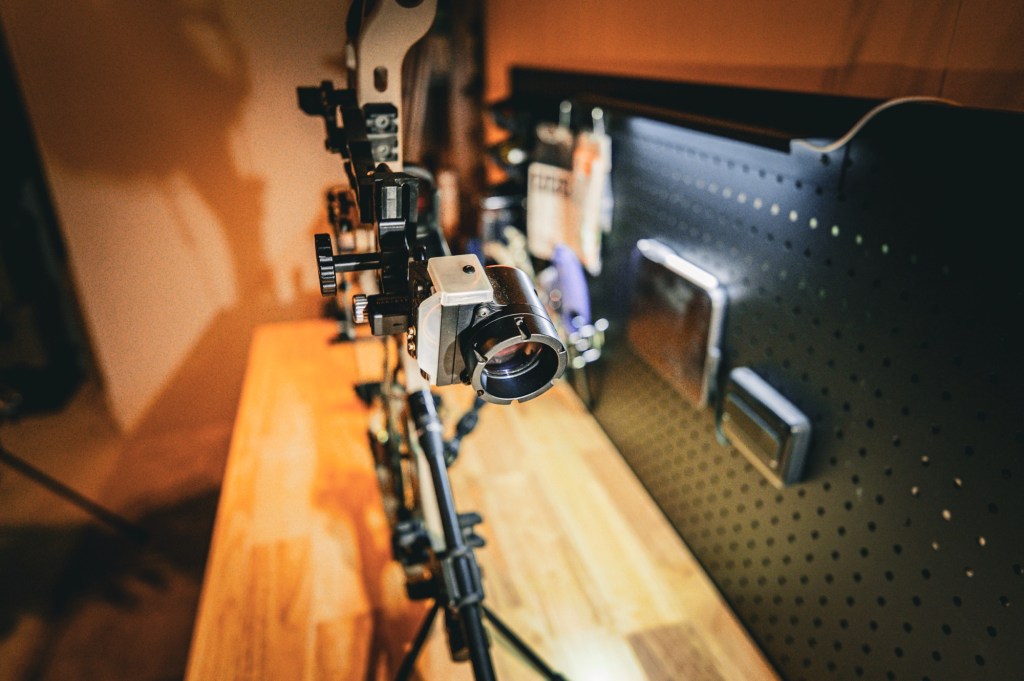
    • Black Gold Pro Sight

    • 2x lens for 3D

    Nothing experimental. Nothing trendy. Just a system I’m rebuilding deliberately.

    What Winter Practice Actually Looks Like

    Winter practice isn’t volume shooting.

    Most sessions are quiet and repetitive:

    • Blank bale work to reset grip pressure

    • Slow shot sequences with zero concern for score

    • Letting the pin float instead of forcing it

    • Watching what the bow does after the shot

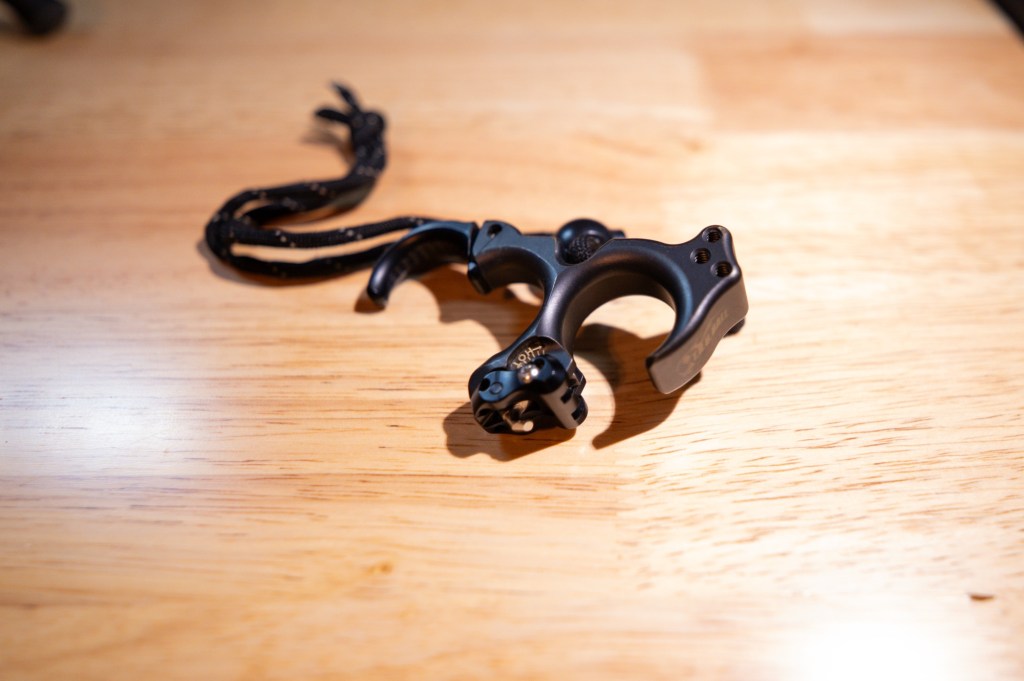
    I’m also doing full maintenance on my releases — cleaning them, checking tension, and removing any inconsistency before pressure shows up again.

    This is where shortcuts die.

    Why I’m Shooting Competition Before It Matters

    This summer I’ll shoot four Rocky Mountain Archery Association events across Colorado and Wyoming.

    Not for trophies — for feedback.

    Competition exposes:

    • Weak tuning

    • Sloppy mental processes

    • Gear that only works on perfect days

    If it doesn’t survive a 3D course, it won’t survive the mountains.

    Why This Work Pays Off

    Most missed shots don’t happen because of gear.

    They happen because fundamentals drifted and no one fixed them.

    Winter gives you space to rebuild without consequences. When fall arrives, there’s no wondering — just execution.

    That’s the difference between hoping you’re ready and knowing you are.

    This post may contain affiliate links, which means I may earn a small commission at no extra cost to you. I only recommend gear I’ve tested and trust, and these commissions help support the blog.

  • My Hoyt Bow Setup for Western Hunting & 3D Shooting: What I Run and Why

    My Hoyt Bow Setup for Western Hunting & 3D Shooting: What I Run and Why

    I don’t believe in building separate bows for every discipline. I believe in building one bow I know inside and out — one that gets shot year-round, carried into the mountains, and trusted when things aren’t perfect.

    This is my current hybrid bow setup, built to work for both western big-game hunting and 3D shooting. Every piece here was chosen deliberately. Nothing is theoretical. This setup has been practiced with, tuned, adjusted, and carried — and it continues to evolve as I learn.

    The Foundation: Bow & Core Specs

    At the center of this setup is my Hoyt Ventum 33”.

    Axle-to-Axle: 33″ Brace Height: 6 ⅜″ Draw Length: 29″ Draw Weight: 70 lbs (run year-round)

    The Ventum 33 hits a rare balance point. It’s compact enough to move well in timber and steep terrain, but stable enough to feel composed at full draw — whether I’m shooting foam targets or waiting on an animal to commit.

    I run 70 pounds all year without backing off in the offseason. That consistency matters. Same draw weight, same feel, same execution. I want my practice to translate directly into hunting season without mental or physical adjustments.

    Where this bow really stands out is how calm it feels once I hit the wall. It doesn’t rush me or feel jumpy. It settles and holds, which shows up on longer 3D shots and matters even more when a real animal keeps you at full draw longer than planned.

    Sight: One Setup, Two Roles

    I run the Black Gold Pro Hunter HD 3-pin slider, and it’s one of the most important pieces in making this bow a true hybrid.


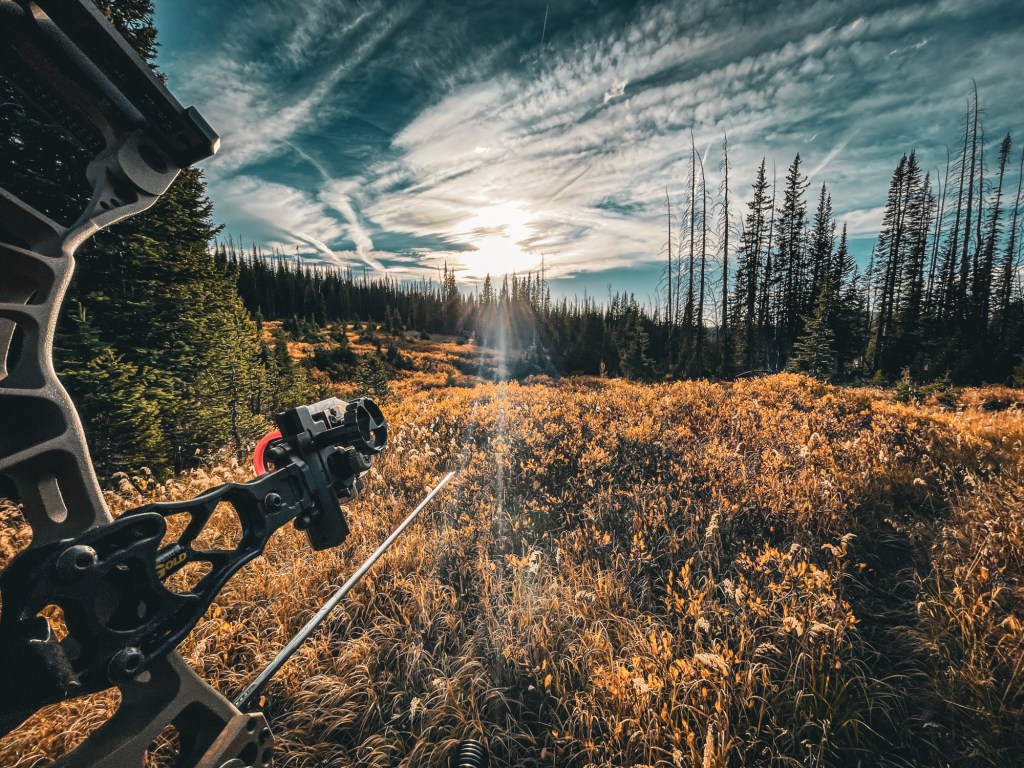
    The Black Gold Pro Hunter HD 3-pin slider in its element — simple in the field, precise when dialed for distance.

    For hunting, I keep the pins set at 20, 30, and 40 yards. That covers the majority of real western shots and keeps the sight picture clean and fast. When an animal steps out, I’m not thinking about dialing or sorting through pins — I already have what I need.

    Anything beyond 40 yards, I use the bottom pin as a floater. If time and conditions allow, I’ll dial the sight to exact yardage and hold dead-on. That gives me the precision of a single-pin setup without sacrificing the speed and simplicity of fixed pins for closer encounters.

    This system carries perfectly into the offseason and 3D shooting.

    When I’m shooting 3D, I rely heavily on the slider. Dialing exact yardage with the bottom pin keeps practice honest and exposes flaws quickly — especially at longer distances.

    During the offseason, I also add the Black Gold 2x Magnifier. The magnification doesn’t make shots easier — it makes mistakes obvious. Pin float, anchor inconsistencies, execution issues — they all show up immediately.

    When hunting season rolls around, the magnifier comes off. The sight goes back to a clean, forgiving setup that’s fast in low light and familiar under pressure.

    Same sight. Same pins. Same muscle memory.

    Just more precision when I want it, and simplicity when I need it.

    Stabilizers: Tuned for Balance, Not a Dead Pin

    Stabilizers are where most hybrid setups go wrong — either too heavy and range-only, or too minimal to be effective.

    I run Shrewd Vantage stabilizers in a front-and-rear configuration:

    Front: 12″ with 1 oz Rear: 9″ with 3 oz

    This setup is about balance, not chasing a perfectly still pin.

    The longer front bar gives direction and slows the sight picture without making the bow feel nose-heavy. Keeping the front weight light makes the bow easier to manage in the mountains and more forgiving on uneven footing.

    The rear bar does most of the stabilizing work. Running more weight in the back helps the bow settle naturally and stay upright at full draw. Instead of forcing the bow to hold still, it feels neutral — like it wants to stay where I aim it.

    For 3D shooting, this setup:

    Slows pin float Helps the bow track cleanly through the shot Makes long practice sessions more consistent

    For hunting, it stays compact, maneuverable, and easy to live with in brush, timber, and steep terrain.

    Arrow Rest: Simple, Bombproof, and Consistent

    I run the Hamskea Hunter Hybrid Pro, and it’s one of those components I don’t think about anymore — which is exactly what I want.

    The rest is quiet, secure, and extremely consistent. Once it’s set, it stays set. I don’t worry about timing issues, movement, or noise — whether I’m shooting 3D targets or hiking miles into elk country.

    It holds the arrow securely while moving, tunes easily, and disappears once I’m at full draw. That reliability is why it’s earned a permanent place on this bow.


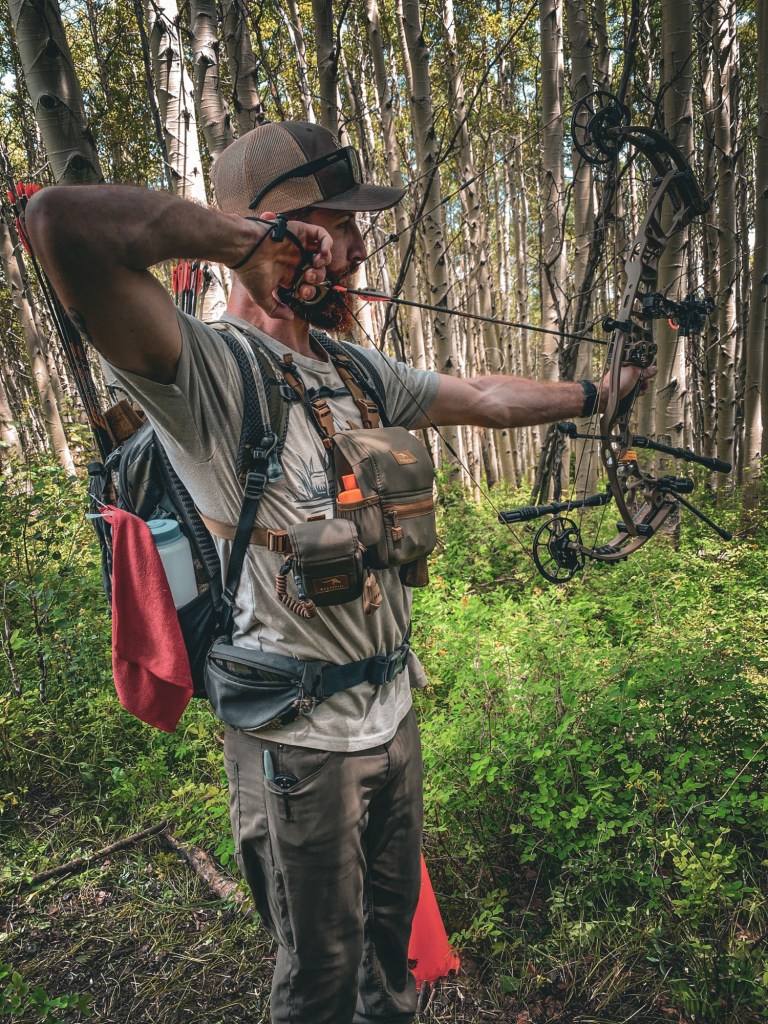
    Shooting the same Hoyt Ventum 33 setup year-round — building confidence through repetition instead of changing gear between seasons.

    Why This Setup Works as a Hybrid

    This bow works because nothing changes between seasons.

    Same draw weight.

    Same sight picture.

    Same balance.

    Same feel.

    3D shooting keeps me honest. Hunting keeps me realistic. Running one setup forces consistency — and consistency builds confidence.

    Foam exposes flaws. Animals punish them. This setup helps me address both.

    Final Thoughts

    This isn’t a trendy build or a spec-sheet flex. It’s a setup built around reliability, familiarity, and repeatable execution.

    If you’re building a hybrid bow for western hunting and 3D shooting:

    Keep it balanced Keep it simple Shoot it year-round

    That’s how confidence is built — one arrow at a time.

    Coming Next

    I’ll break out deeper dives on:

    Arrow builds & weight philosophy Broadheads for western game Tuning this setup for both 3D and hunting Why I run a 3-pin slider in the West

    Affiliate Disclosure

    This post may contain affiliate links. If you purchase through these links, I may earn a small commission at no extra cost to you. I only recommend gear I personally use and trust.

  • Border Country Reflections

    Border Country Reflections

    “When the trip ends, it’s not just the animals you remember — it’s the quiet moments between.”

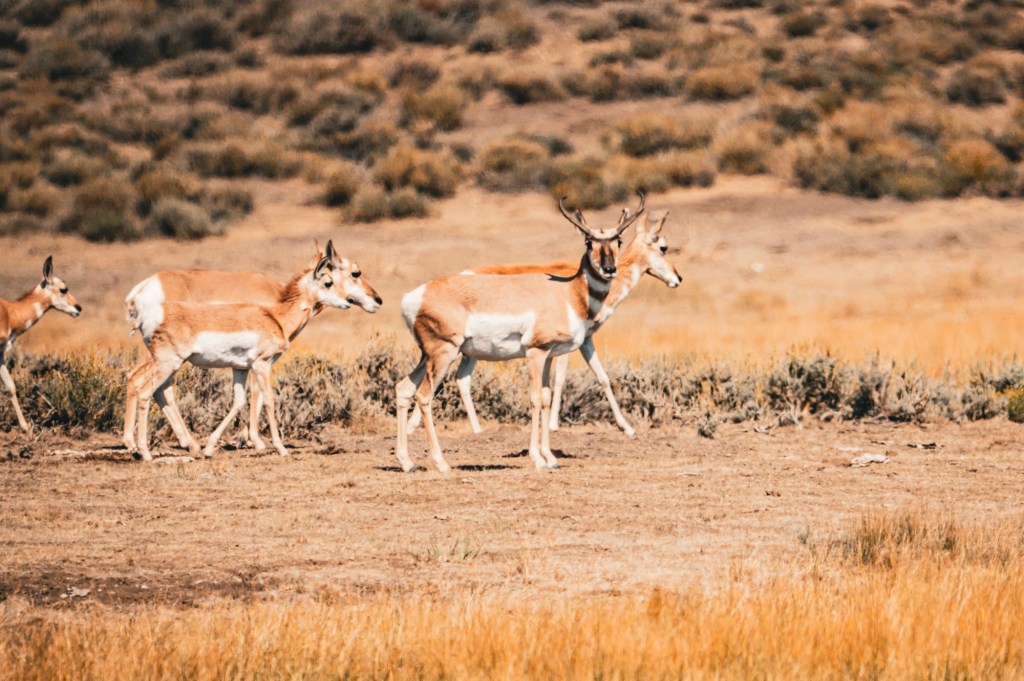
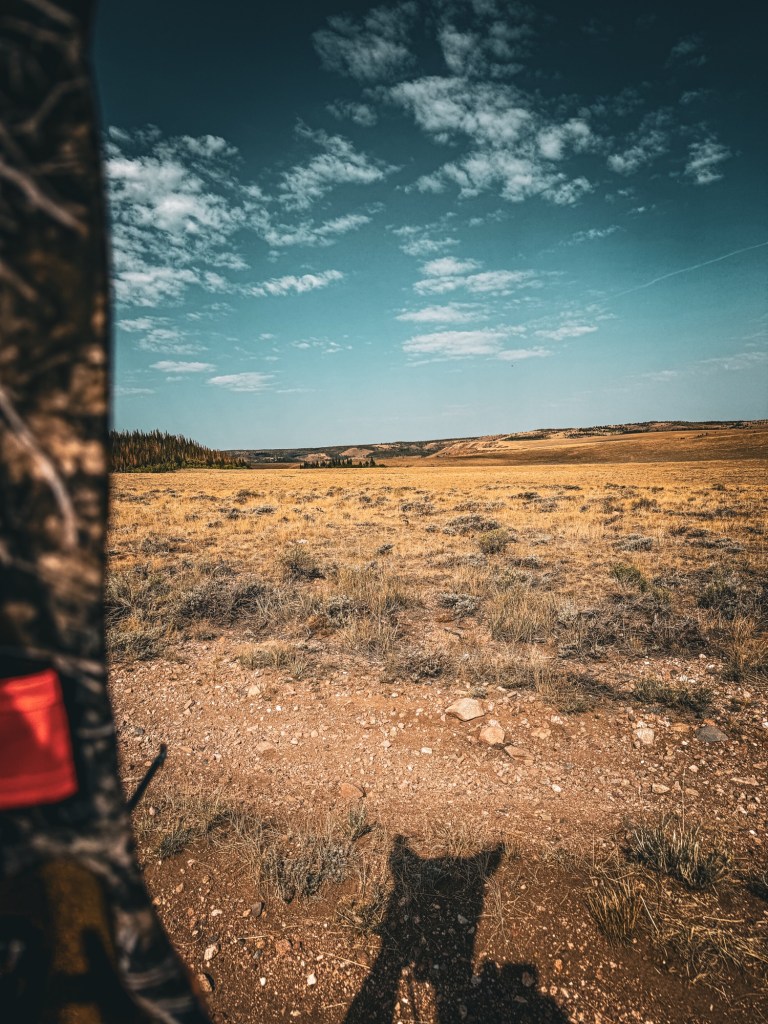
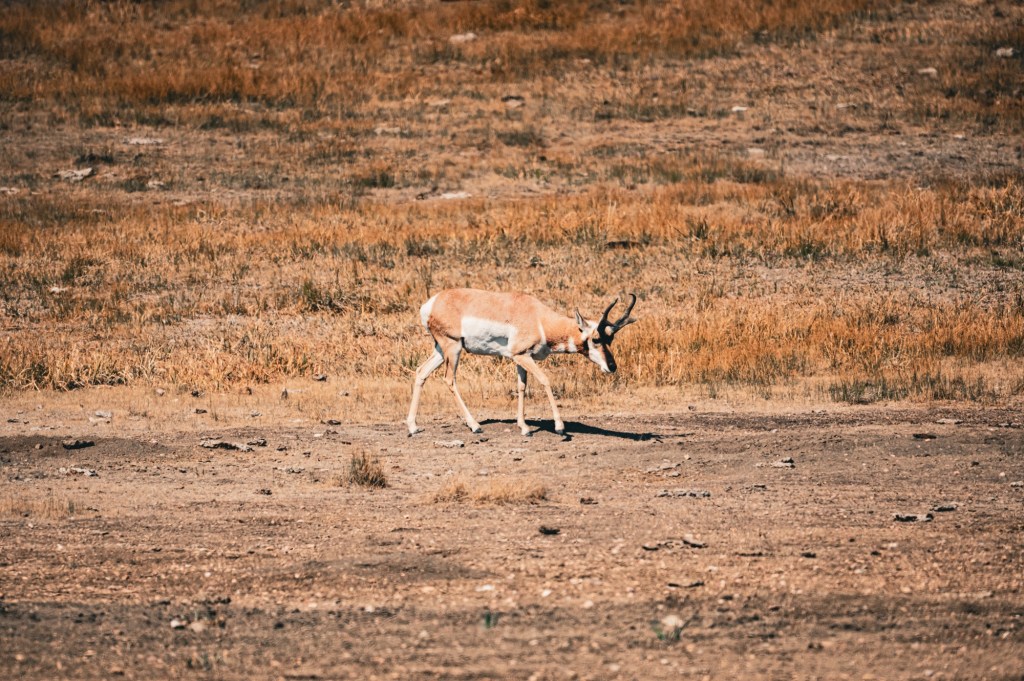
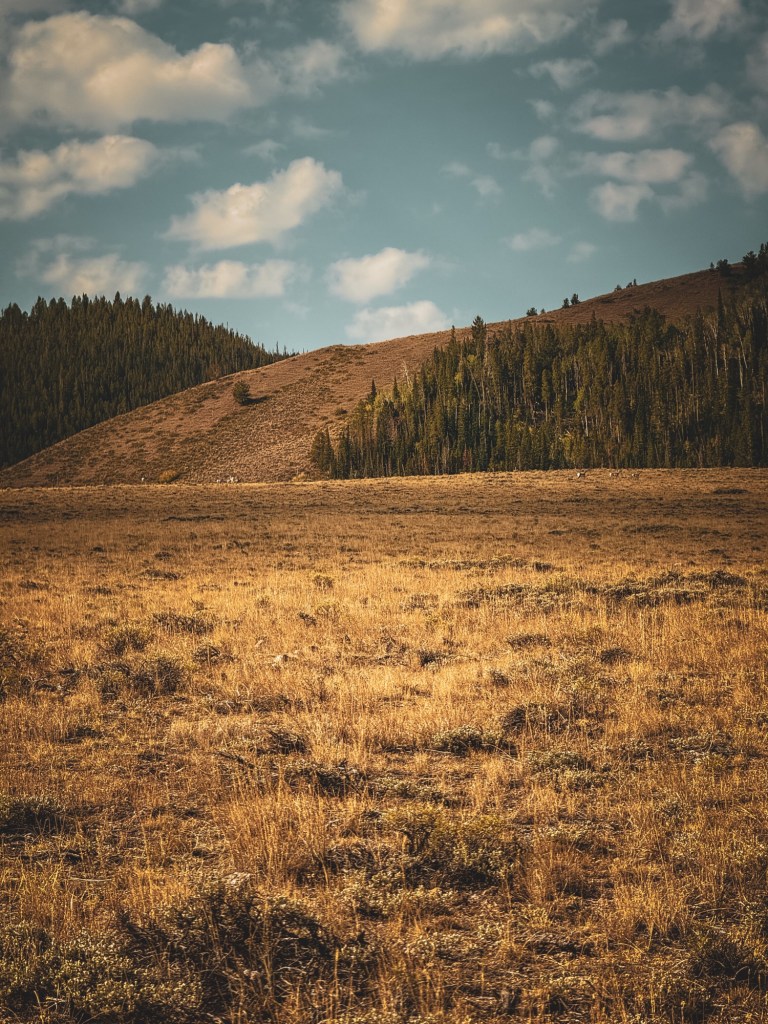
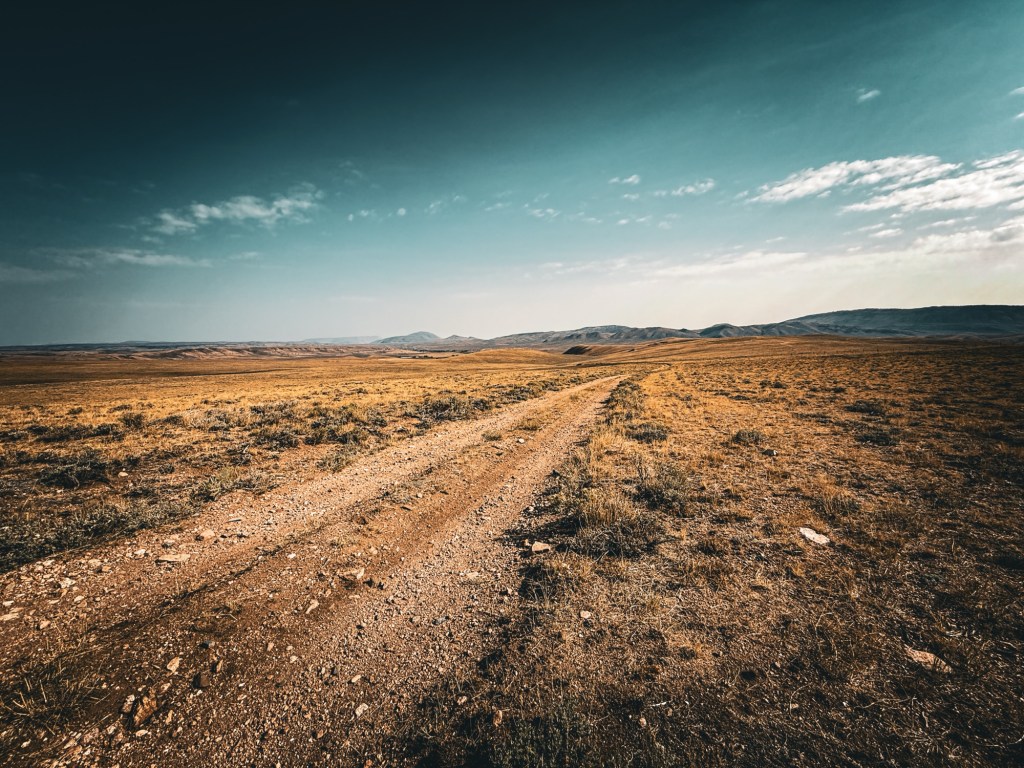
    There’s a stretch of land along the Colorado-Wyoming border where the plains roll out like an ocean, broken only by sagebrush, distant ridgelines, and the flash of pronghorn moving across the horizon. It’s a place where patience is tested, where storms come out of nowhere, and where the stillness between pursuits can be just as memorable as the action.

    This trip was a mix of bowhunting and fly fishing—three days chasing antelope and sliding in hours on the water whenever I could. I didn’t end up bringing home a pronghorn, but the lessons, the fish, and the memories made the trip worth every mile.

    The Stalks

    Pronghorn are humbling animals. Their eyesight is otherworldly, and every time I thought I had the upper hand, I learned otherwise. Over three days, I made twelve stalks. Some ended quickly, with the herd blowing out before I could even close the distance. Others took me crawling through sage, using every dip in the ground to get closer.

    The closest I came was fifty yards. I’d worked my way over a rolling hill, heart pounding, certain the herd was still bedded a hundred yards off. When I eased my head just a little too high, they were right there. One flick of an ear, and then they were gone—white rumps flashing as they bolted across the plains. It was equal parts frustration and awe. I had blown the stalk, but even in failure, I was reminded why I love bowhunting. It’s the chess match, the patience, and the razor-thin line between success and a story.

    Fishing Between the Hunts

    The bow went back into the Jeep when the sun climbed high, and the fly rod took its place. The border country has a way of surprising you—small streams that swell with rain, lakes tucked against quiet timber. In the afternoons, I’d watch thunderstorms roll in, the sky turning bruise-colored before opening up. Afterward, the water would stain just enough to bring brown trout up.

    I landed fish in those in-between hours, slipping casts between willows, the smell of wet sage still hanging in the air. It wasn’t just about catching trout—it was about resetting after the intensity of the stalks. Fishing gave me space to breathe, and every fish felt like a small reward for the grind of the hunt.

    Weather and Wide-Open Silence

    Out here, the weather feels alive. Thunderheads build on the horizon, and you know you’ve got an hour before the storm reaches you. The wind shifts, rattling the grass, and the temperature drops in an instant. When the rain passes, the world feels washed clean—the smell of damp earth, the shimmer of water on sage, the sky cracked open into endless blue.

    But it’s the silence that hits hardest. The kind you only notice after the wind dies, when the prairie holds its breath. I’d sit on a ridge, glassing, and realize how loud the quiet really was. No roads, no voices—just space. That solitude is something you don’t forget.

    Wildlife in Passing

    It wasn’t just pronghorn and trout that filled the trip. Mule deer appeared in the early mornings, their silhouettes sharp against the skyline. Hawks rode the thermals, and once, while crouched low in a drainage, I watched a badger shuffle across the dirt no more than twenty yards away. These encounters weren’t the focus, but they stitched the days together, reminders that the border country is alive in ways that don’t always revolve around your tag or your line.

    Comparing Adventures

    Compared to the high country trips I’ve taken, this one was its own beast. Backpacking deep into the San Juans demands endurance; chasing elk in dark timber demands grit. But the plains? They demand patience and humility. You don’t win with brute strength out here. You win—or learn—by slowing down, reading the land, and accepting that sometimes the antelope win.

    Advice for the Border Country Wanderer

    If you’re planning a multi-sport trip in remote country, a few takeaways from mine:

    Plan for weather swings: From sunburn to sideways rain in the same afternoon—pack layers, and never underestimate how fast storms can build. Balance your pursuits: Don’t treat fishing as an afterthought. Let it reset you between hunts. It makes both more rewarding. Accept the solitude: Out here, success isn’t just measured in filled tags or full nets. Sometimes the best takeaway is the quiet.

    Closing Thought

    I didn’t leave the border country with a pronghorn in the cooler. What I left with were stories of twelve stalks, brown trout caught in stained water, and hours of silence broken only by wind and distant thunder. It wasn’t about success in the usual sense—it was about being out there, testing myself, and learning from the land.

    What about you? Do you have a favorite memory where hunting and fishing crossed paths? Drop it in the comments—I’d love to hear your story.

  • The “Dual Purpose” Hunting & Fishing Kit: Gear for Doing Both in One Trip

    The “Dual Purpose” Hunting & Fishing Kit: Gear for Doing Both in One Trip

    The kind of trips I look forward to most aren’t the big, week-long backcountry hauls. Don’t get me wrong, those are incredible in their own way, but there’s something simple and satisfying about rolling out of town each morning in the Gladiator, bow case in the bed , rod tube rattling in the storage box, and a thermos of coffee riding shotgun.

    That’s the beauty of hunting and fishing the same country. Some mornings you’re glassing pronghorn on the flats. By the time the sun’s high and the animals have bedded, you can be knee-deep in a creek, throwing hoppers at brown trout. The trick is having your gear dialed so you’re not constantly unpacking, sorting, or realizing you left your waders back at home.

    This is where the “dual purpose” kit shines—a truck-based system that makes it easy to switch from one pursuit to the other.

    Why Truck-Based Makes Sense

    My pronghorn unit this season was only about 30–40 minutes outside of town. It wasn’t the type of hunt where I needed to haul camp miles into the backcountry. Each day I’d drive out in the dark, hunt through the morning, and then, depending on how things went, either keep after it or slide down into a drainage and fish until evening.

    That style of trip isn’t about ultralight gear or shaving ounces—it’s about organization and efficiency. With the Gladiator set up right, I can pivot between hunting and fishing without wasting time digging through a mess.

    Hunting Loadout: Grab and Go

    On the driver’s side of the bed rack sits one of my Roam 128L cases with the lid organizers, dedicated to hunting gear. It keeps everything sealed, dust-free, and ready:

    Weapon of Choice: Bow in a hard case. I use a Pelican hard case with the foam cut to fit my bow and stabilizers so I don’t worry about bumps on rough two-tracks. Day Pack: Already packed with knife, rangefinder, snacks, and water. Optics: Bino harness is basically on me at all times though these hunts. Spotter and tripod tuck into the case. Kill Kit: Small bag with game bags, replaceable-blade knife, paracord, and gloves. A cooler with ice waits in the Gladiator bed for when things go right.

    Most mornings I’d park along a dirt road, grab my pack and bow, and slip into the sage before first light. The world feels wide open then—sky turning pink over the plains, coyotes yipping in the distance, the Gladiator fading behind me as I hike in.

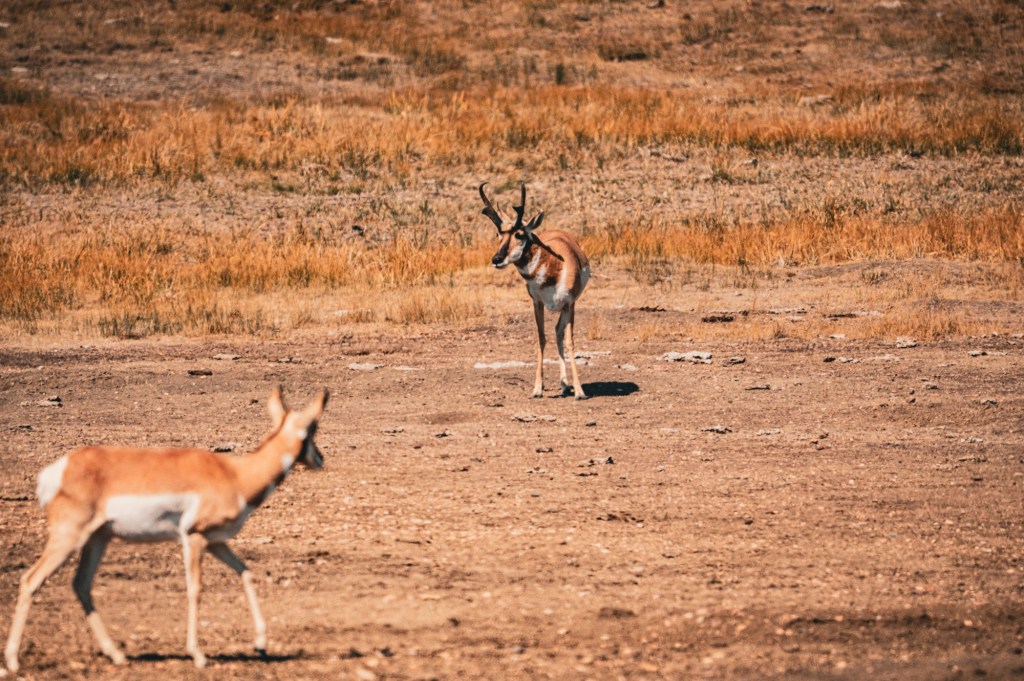
    Glasses up this unique wide buck pushing his herd in the morning.

    Fishing Loadout: Ready When the Hunt Pauses

    The passenger side Roam case holds the fishing gear, sealed up and dust-proof:

    Rod : A 4-piece 5-weight, in a rod tube so it doesn’t get crushed. Sling Pack: One fly box (dries, nymphs, streamers), 4x and 5x tippet, floatant, and nippers. Waders & Boots: Rolled and stashed in a mesh bag inside the case. On warm afternoons, I just wet-wade. Net: I like running a larger net to make missed scoops for fish a minimum.

    By late morning, if pronghorn weren’t cooperating, I’d be back at the Gladiator swapping camo for a sling pack. In less than 10 minutes, I’d be on the water, roll casting under willows or drifting a nymph through riffles.


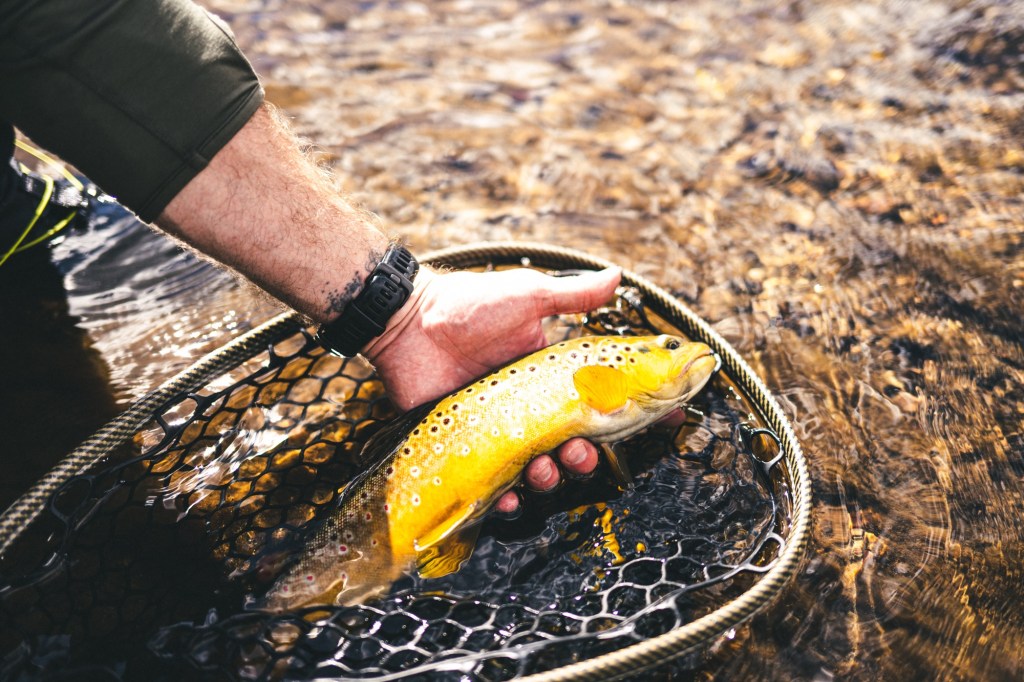
    From bow case to rod tube—brown trout on the line by noon.

    The Overlap Gear

    Some things stay in the Gladiator full-time:

    Headlamp: In the center console, always charged. First Aid Kit: Cuts from broadheads and hooks don’t care which pursuit you were on. Rain Jacket: Rolled up behind the seat—because high plains storms roll in fast. Coolers: One for food and drinks, another for game quarters or trout if I keep a couple for the pan.

    That overlap gear is what keeps the system seamless—whether it’s a pre-dawn stalk or a late evening bite.

    A Day in the Life of the Dual Purpose Kit

    One day this season summed it all up. I was parked on a ridge at first light, watching a herd of pronghorn out beyond 600 yards. The wind wasn’t in my favor, and after two blown stalks, I eased back to the Gladiator by 10 a.m., sweaty, dusty, and a little frustrated.

    Instead of calling it quits, I popped open the fishing case, grabbed my rod tube and sling pack, and drove 15 minutes to a creek winding through a cottonwood draw. By noon, I was knee-deep in cold water, watching brown trout rise in the shade.

    The first fish came on a hopper pattern, a strong wild brown that darted under cutbanks and pulled harder than I expected. Sitting on the tailgate afterward, sandwich in hand, and waders in the sun, I couldn’t help but laugh. Two worlds in one day, both made possible by keeping the right gear squared away in the Gladiator.

    Final Thoughts

    The dual purpose kit isn’t about carrying more—it’s about carrying smart. With a little organization, your Gladiator becomes a rolling basecamp, with each Roam case dedicated to a pursuit and the overlap gear tying it all together.

    Next time you head out to hunt, slip the rod tube into its case. Pack a cooler with ice. Keep those storage cases squared away. You never know if the day’s story ends with a stalk on the flats or a brown trout tugging at the end of your line—but with the right setup, you’ll be ready for both.

    This post may contain affiliate links, which means I may earn a small commission at no extra cost to you. I only recommend gear I’ve tested and trust, and these commissions help support the blog.