
I used to run different arrows for different disciplines because that’s what you’re supposed to do. Fat shafts for indoor. Something lighter for 3D. A separate, overbuilt setup for hunting.
On paper, it made sense.
In reality, it just created variables.
So I stopped switching.
One arrow. One tune. One reaction out of the bow—every time I draw.
The Change That Actually Mattered
This wasn’t about chasing speed or trends. It was about cutting excess and keeping what works.
Old Setup
Easton Axis 5mm 564 grains total arrow weight
Forgiving. Quiet. Broadhead-safe.
But it carried more margin than I needed and less performance than I wanted.
New Setup
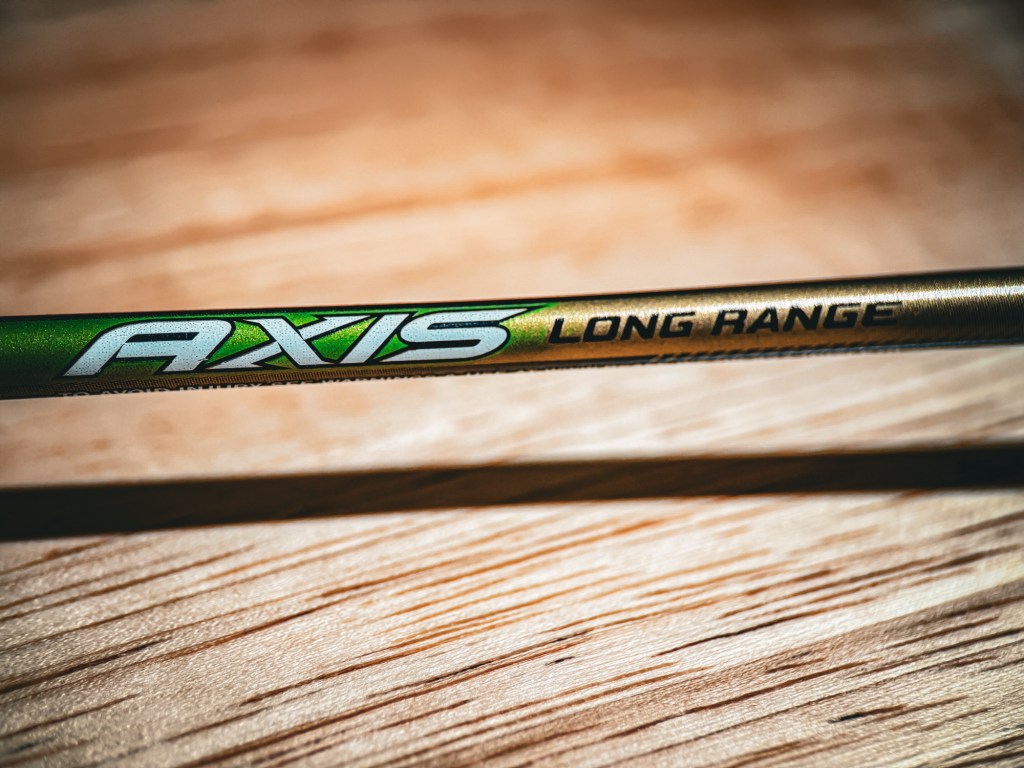
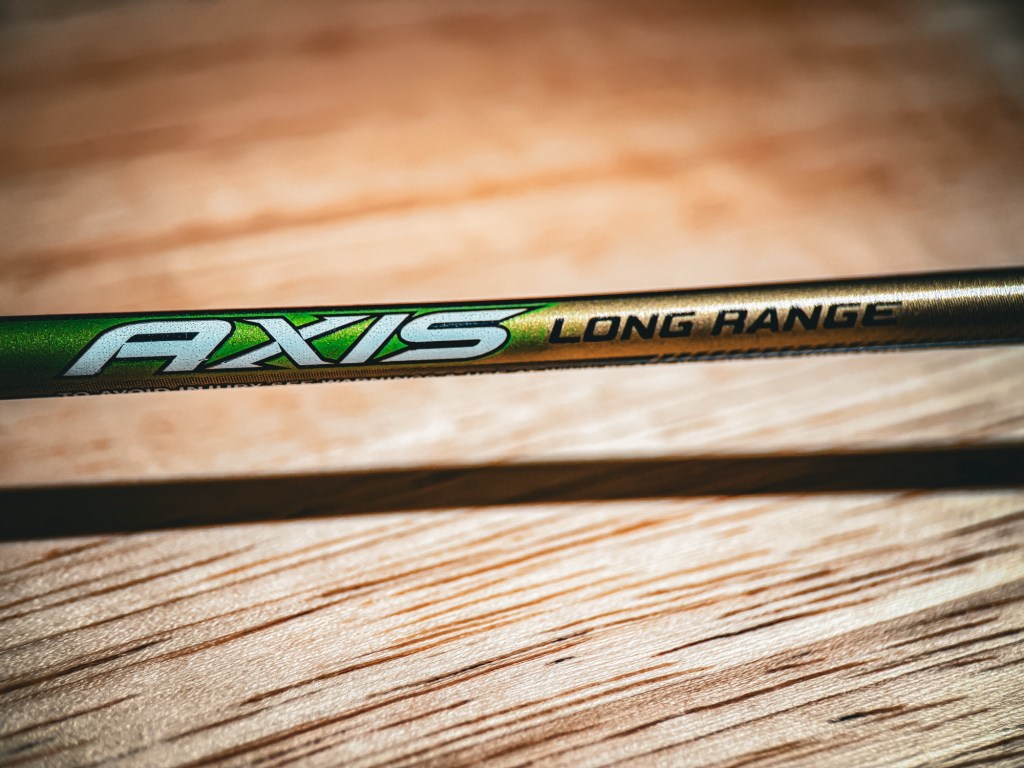
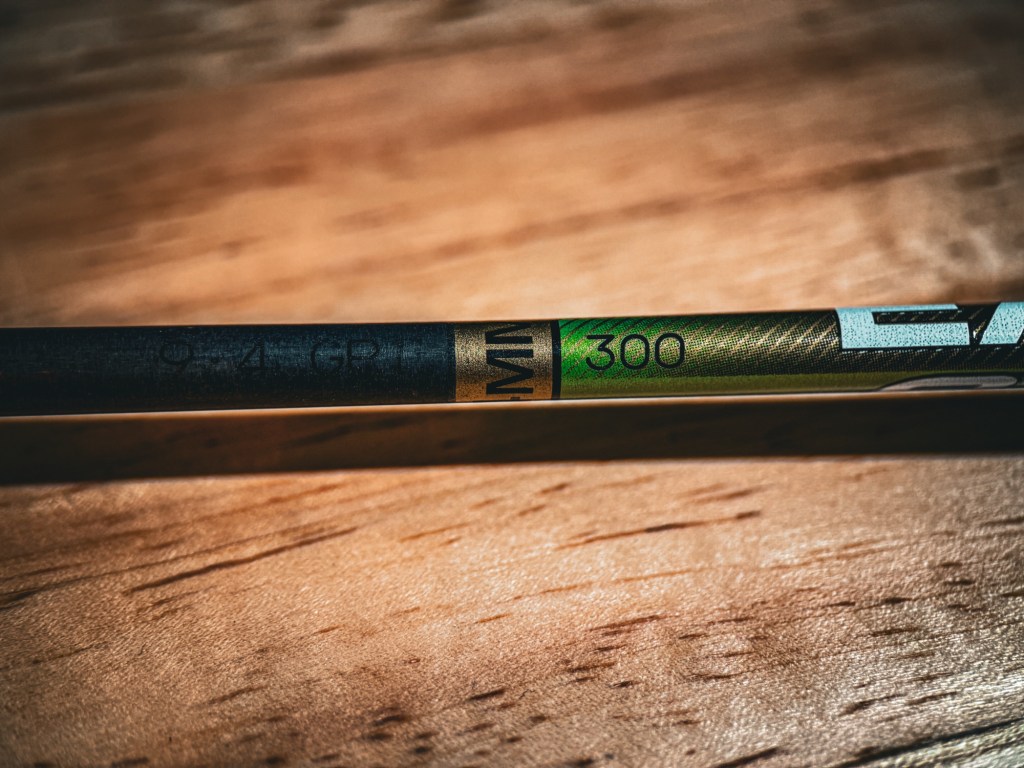
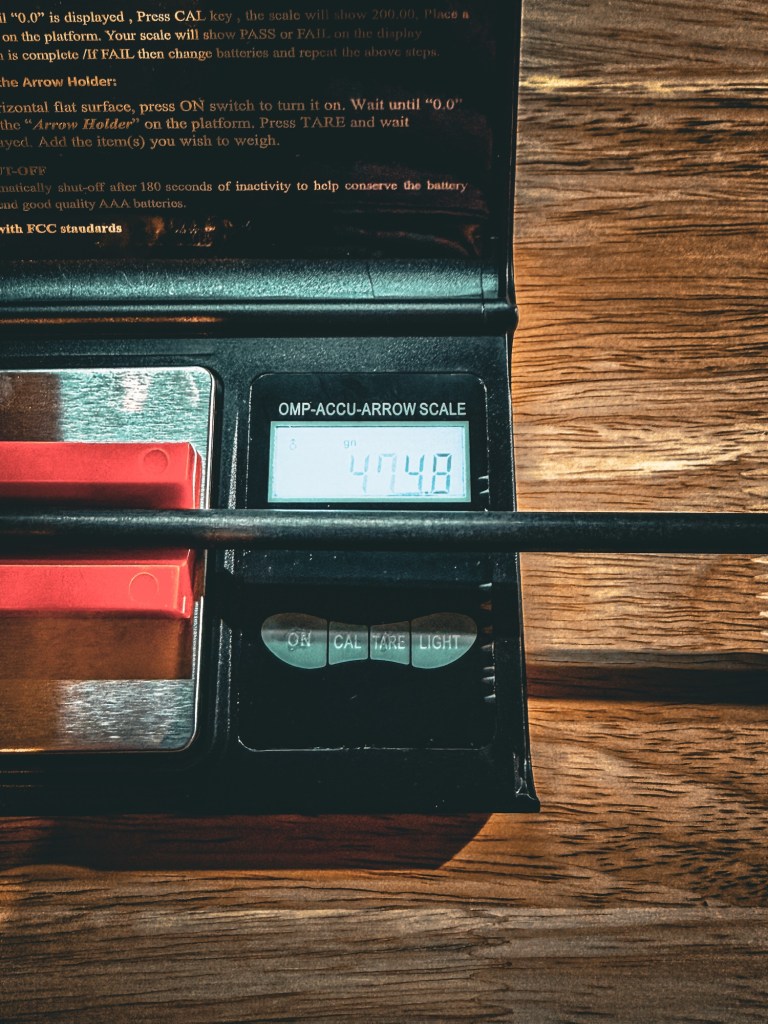
Easton 4mm Long Range Axis (300 spine) Easton aluminum half-outs 474.8 grains total arrow weight
That ~90-grain change wasn’t theoretical—it showed up immediately.
Flatter trajectory.
Cleaner sight picture at distance.
Faster stabilization.
And most importantly—the tune stayed solid.
Front-End Control: Where the System Is Won or Lost
This arrow was built from the front back.
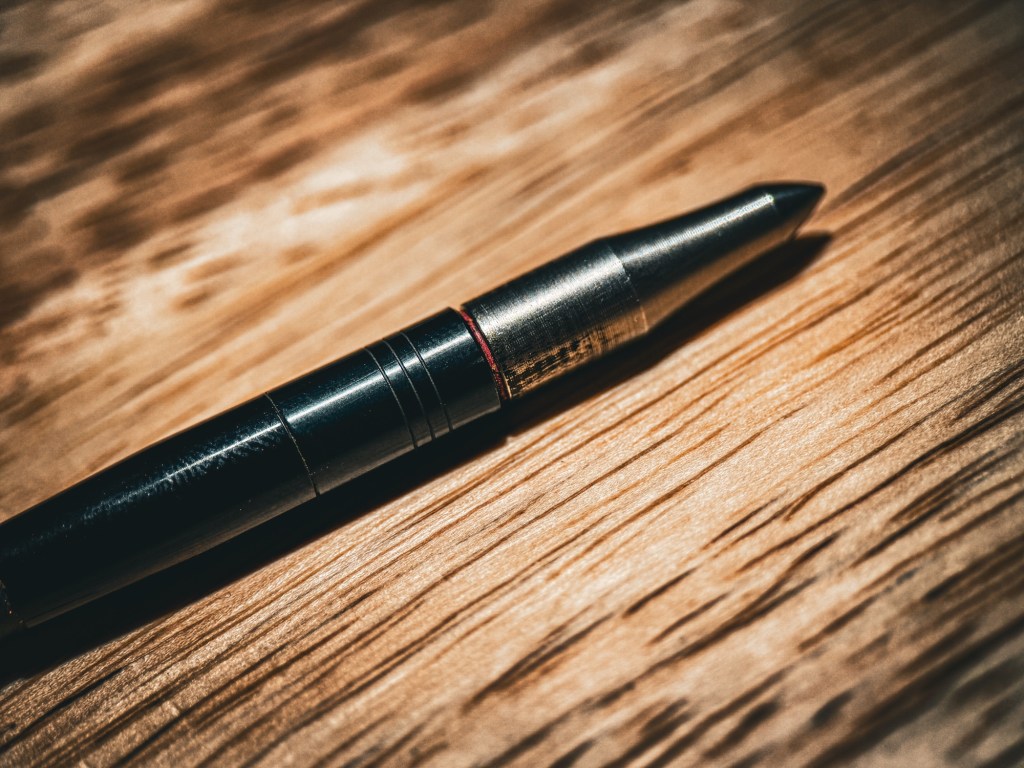
I’m running Easton aluminum half-outs, which give me:
True alignment Added front-end durability A clean transition from shaft to point
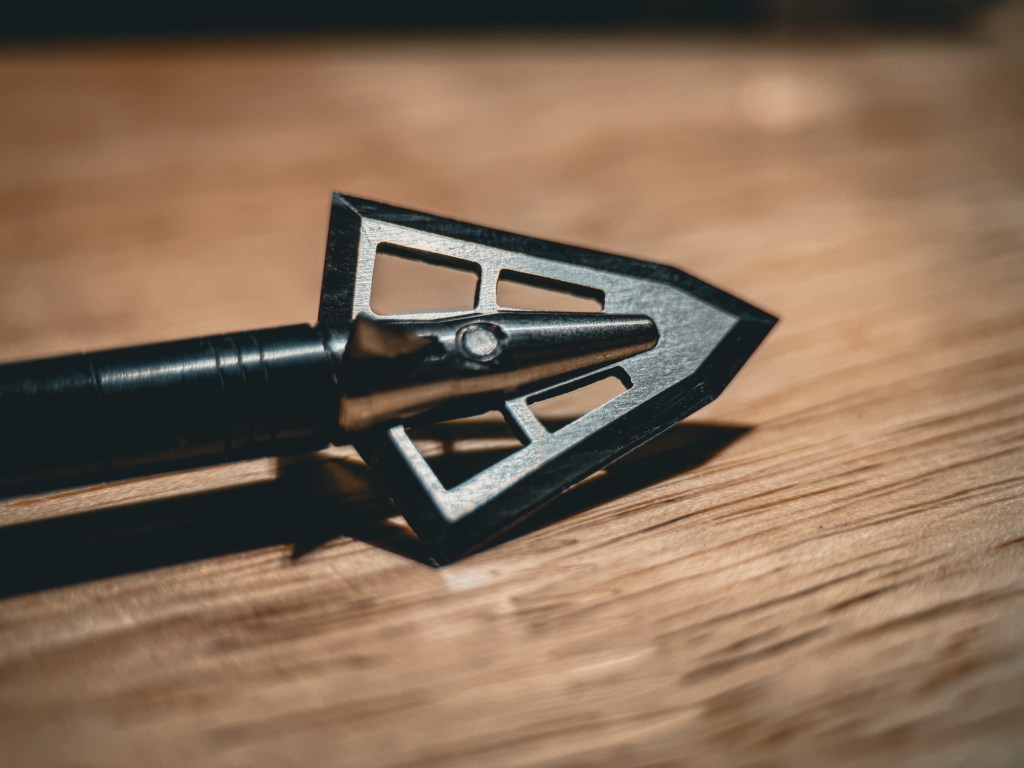
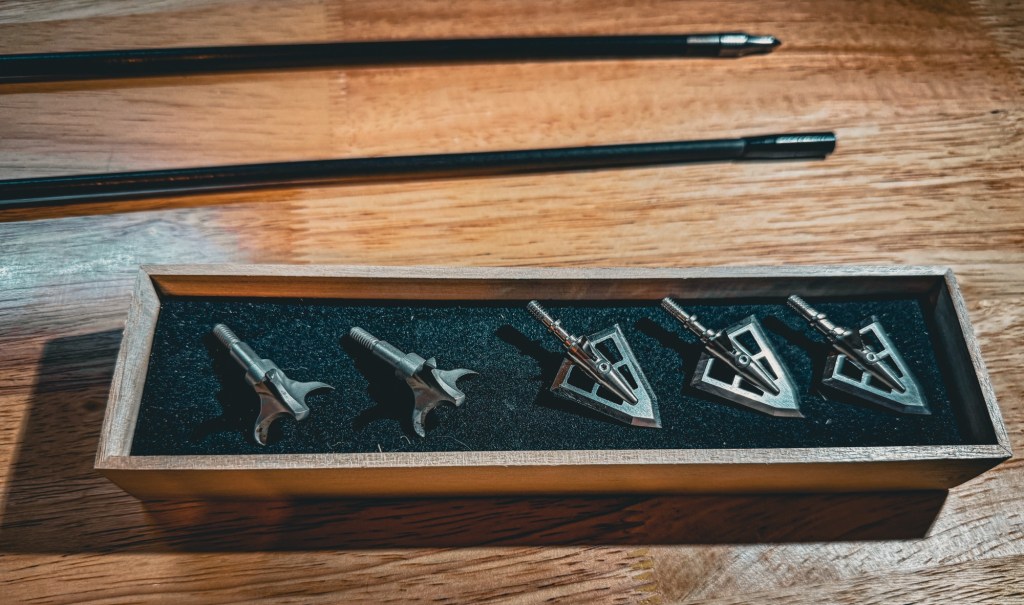
When I’m dialing the arrow in, I use TopHat 125gr Apex field points.
When it’s time to hunt, I screw on Iron Will V125 broadheads.
Same weight.
Same interface.
Same point of impact.
No re-tune. No guessing.
Vanes & Fletching: Stability Without Drag
This is the part most people under-build—and then blame later.
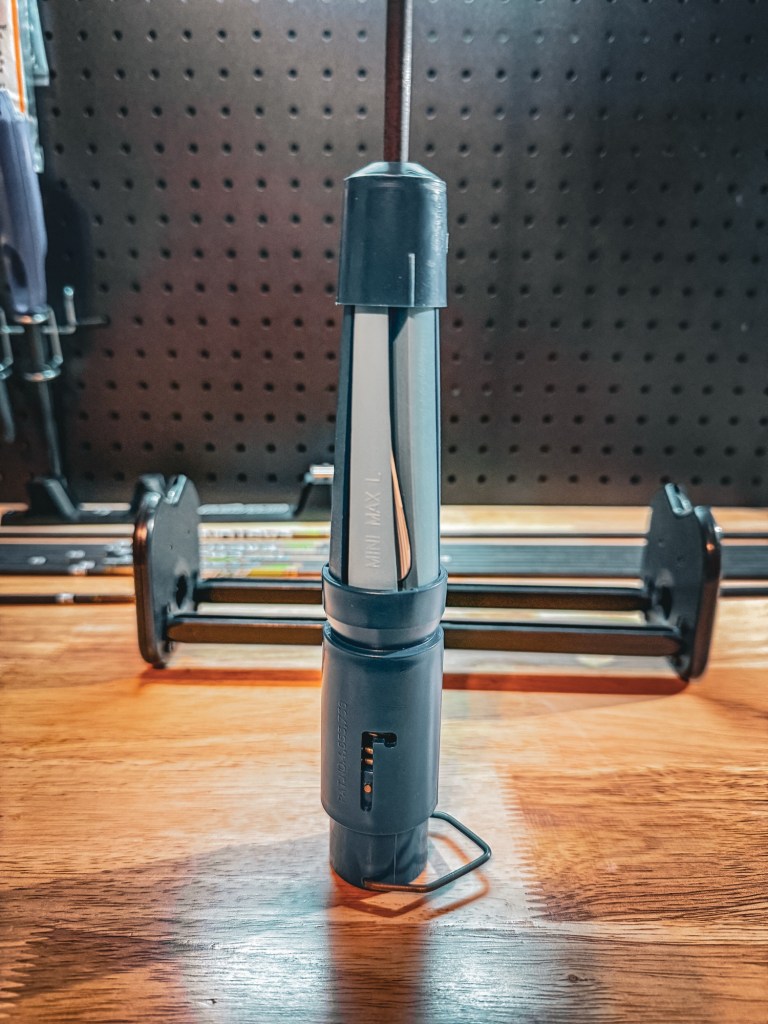
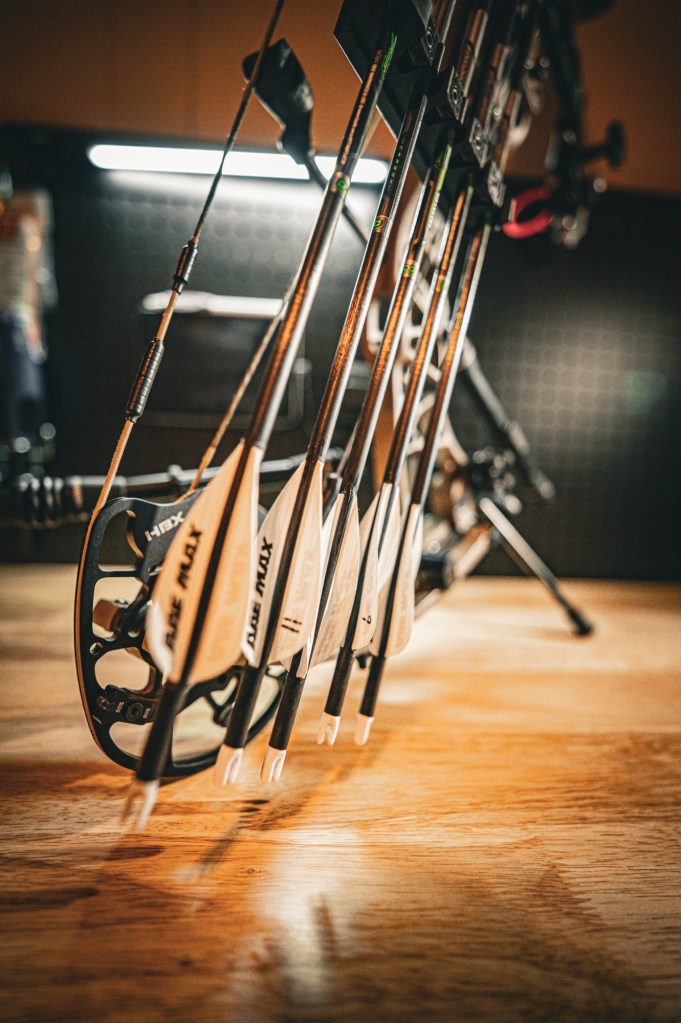
I’m running AAE Max Stealth vanes , fletched on an Arizona EZ Fletch jig with a max left helical.
Not because it looks cool.
Because it works.
What I see downrange:
Excellent grouping, especially past 60 yards Fast recovery with no parachuting Stable broadhead flight without overcorrecting
The helical is aggressive by design, but the vane profile keeps drag in check. No float. No weird slow-downs. Just control.
The Proof: Field Points and Broadheads Together
Here’s the standard I won’t compromise on.
With this setup:
TopHat 125gr Apex field points Iron Will V125 broadheads
They group in the same spot, consistently, out to at least 80 yards.
That’s not luck.
That’s alignment, vane control, and a tune that isn’t living on a razor’s edge.
Weight vs Forgiveness (What Actually Changed)
Heavy arrows don’t make you better.
They make mistakes quieter.
At 474.8 grains, I didn’t lose forgiveness—I gained feedback.
Clean shots stack harder.
Bad shots show up immediately.
Broadheads don’t expose weaknesses.
That’s not less forgiving. That’s a system that responds.
One Arrow. One Tune. No Excuses.
This arrow was tuned as a hunting arrow first—because if it handles that, everything else is easy.
Indoor.
3D.
Hunting.
Same arrow.
Same half-outs.
Same vanes.
Same points or broadheads.
Same tune.
Once it was right, I stopped touching it—and my shooting improved because the variables disappeared.
Final Takeaway
Switching arrows feels productive.
Commitment actually is.
Going from 564 grains to 474.8 grains wasn’t risky—it was corrective.
One arrow didn’t limit me.
It stripped away the noise and left execution.
Build one arrow you trust everywhere.
That’s the difference.
This post may contain affiliate links, which means I may earn a small commission at no extra cost to you. I only recommend gear I’ve tested and trust, and these commissions help support the blog.


Leave a Reply