
By the time most people put their bows in the case for winter, I’m tearing mine apart.
No tags.
No crowds.
No pressure to be good today.
Just cold air, an empty range, and the kind of quiet that makes bad habits impossible to ignore.
This is the season that doesn’t show up in highlight reels — and it’s exactly where my confidence for fall gets built.
⸻
Starting Over on Purpose
The first thing I do every winter is strip the bow down and reset everything that drifted during the season.
This year that started with new strings and cables. I went with Gas Ghost XV bowstrings in camo. The color matches my setup well, but the real reason is consistency. When you replace strings, you erase every old reference point — and that’s the point.
New strings mean:
• Cam timing from scratch
• Peep height reset
• Sight marks gone
• No more “it was close last year”
Every arrow after this tells the truth.
Gear I’m Running
• Gas Ghost XV Bowstrings (Camo)
• Installed and stretched before re-sighting
• Chosen for consistency and long-term stability
⸻
One Arrow for Everything
Last season I ran a heavier arrow with a higher GPI and a total weight of 564 grains. It hit hard, but it punished small mistakes — especially past 40 yards.
This winter I switched to Easton 4mm Long Range arrows, finishing at 474.8 grains total arrow weight.
The difference was immediate:
• Noticeable speed gain
• Flatter trajectory
• Tighter gaps at distance
More importantly, this is now my one arrow setup:
• Indoor
• 3D
• Hunting
No swapping arrows. No second guessing tune. No excuses.
Arrow Setup
• Easton 4mm Long Range Shafts
• 474.8 gr total arrow weight
• Tuned once, used everywhere
One arrow. One system. That matters more than chasing perfection.
⸻
Stabilization That Actually Helps
The biggest improvement this year didn’t come from speed — it came from control.
I added Shrewd Trak stabilizers, running a 15” bar up front and a 12” bar in the rear. The first few shots told the whole story.
The pin didn’t stop moving — it just stopped fighting me.
The bow settles.
The float tightens.
The jump on release disappears.
That’s when you realize how much energy you were spending managing your bow instead of executing your shot.
Stabilizer Setup
• Shrewd Trak Stabilizer System
• 15” front / 12” rear
• Tuned for balance, not weight
This is gear that earns its place because it lets you focus on form — not because it looks good online.
⸻
The Bow, for Context
I don’t like mystery setups, so here’s the full picture:
Current Bow Build
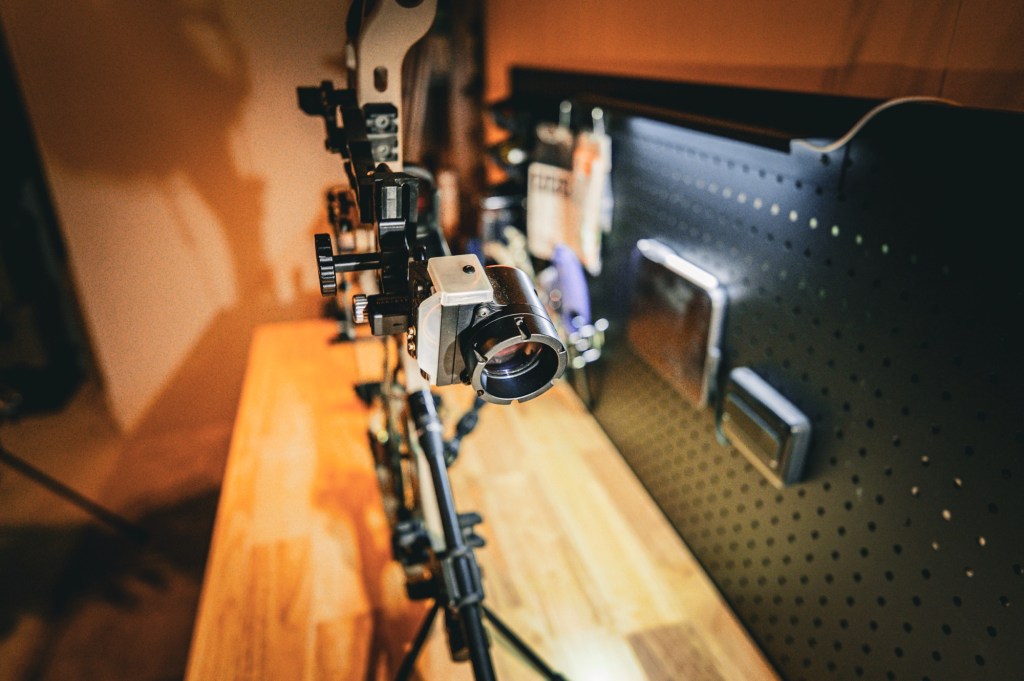
• Hoyt Ventum 33
• 70 lbs draw weight
• Black Gold Pro Sight
• 2x lens for 3D
Nothing experimental. Nothing trendy. Just a system I’m rebuilding deliberately.
⸻
What Winter Practice Actually Looks Like
Winter practice isn’t volume shooting.
Most sessions are quiet and repetitive:
• Blank bale work to reset grip pressure
• Slow shot sequences with zero concern for score
• Letting the pin float instead of forcing it
• Watching what the bow does after the shot
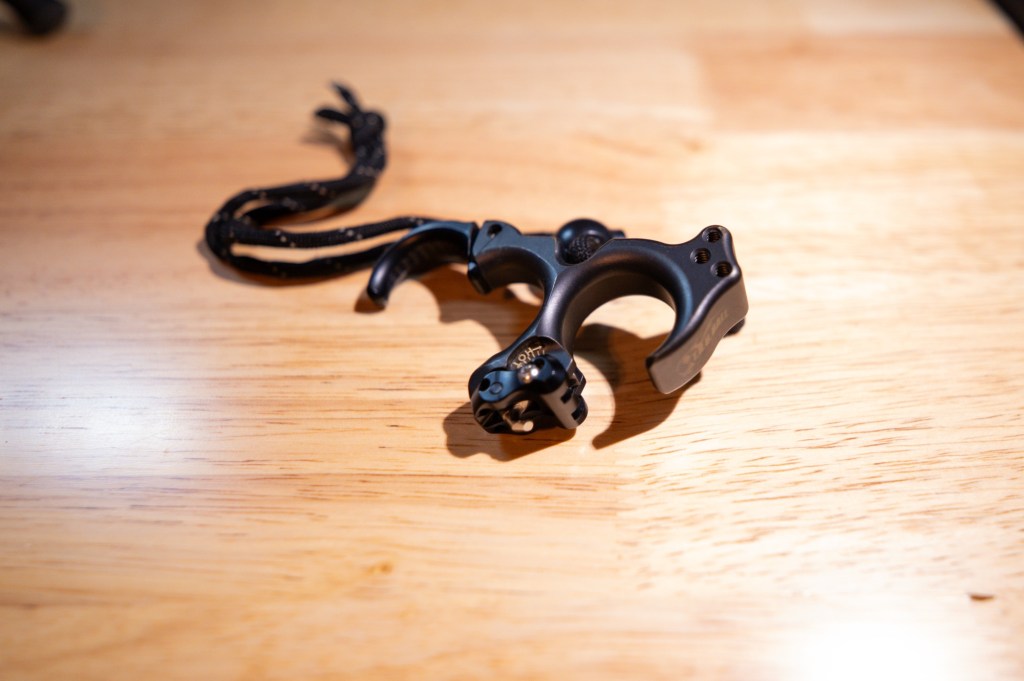
I’m also doing full maintenance on my releases — cleaning them, checking tension, and removing any inconsistency before pressure shows up again.
This is where shortcuts die.
⸻
Why I’m Shooting Competition Before It Matters
This summer I’ll shoot four Rocky Mountain Archery Association events across Colorado and Wyoming.
Not for trophies — for feedback.
Competition exposes:
• Weak tuning
• Sloppy mental processes
• Gear that only works on perfect days
If it doesn’t survive a 3D course, it won’t survive the mountains.
⸻
Why This Work Pays Off
Most missed shots don’t happen because of gear.
They happen because fundamentals drifted and no one fixed them.
Winter gives you space to rebuild without consequences. When fall arrives, there’s no wondering — just execution.
That’s the difference between hoping you’re ready and knowing you are.
This post may contain affiliate links, which means I may earn a small commission at no extra cost to you. I only recommend gear I’ve tested and trust, and these commissions help support the blog.


Leave a Reply